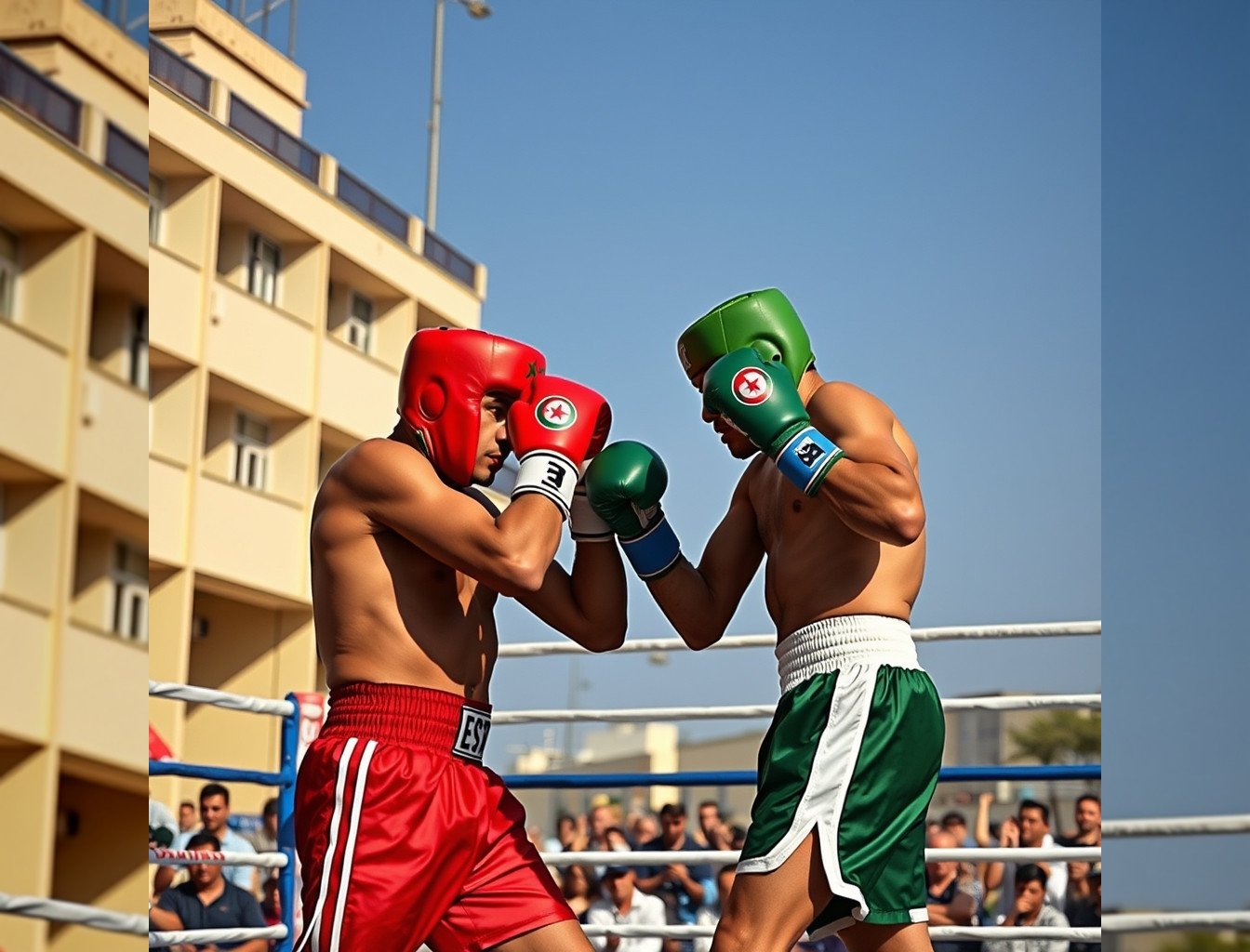
Algeria’s government has strongly rejected what it calls unfounded criticism of Algerian boxer Imane Khelif, who faces accusations of being unfairly advantaged in the Paris 2024 Olympic Games, according to BBC. The Algerian Ministry of Foreign Affairs issued a statement this week condemning what it described as “baseless attacks” on the athlete, emphasizing that Khelif competes under the banner of Algeria and complies with all eligibility rules set by the International Olympic Committee (IOC).
Khelif, 25, a gold medalist from Algeria, has been at the center of controversy following comments questioning her eligibility to compete in the women’s boxing category. Some critics have suggested discrepancies in her biological profile, though no formal disqualification has been issued by Olympic authorities. The Algerian government framed the attacks as discriminatory and a violation of sporting integrity. “Such unfounded accusations aim to undermine Algerian achievements and question our athletes’ legitimacy,” the ministry said in its statement.
The episode highlights ongoing debates around gender eligibility in international sport, particularly in boxing where physical criteria can influence perceived fairness. Algeria has invested significantly in women’s sports development, with Khelif’s case becoming a symbol of national pride. Her participation in Paris 2024 follows her historic victory at the 2022 IBA World Boxing Championships, where she won gold in the welterweight division.
Entrepreneurs and business leaders in Algeria may view this controversy as more than a sports issue—it reflects broader challenges around national branding and public perception. For Algerian startups and companies operating internationally, media representation can directly affect investor confidence and market access. A negative portrayal of Algerian athletes abroad could, albeit indirectly, influence how global partners perceive Algeria’s business environment, especially in sectors tied to youth development and women’s empowerment.
According to BBC, Algeria’s response underscores a coordinated effort to defend its athletes’ reputations and preserve national prestige on the global stage. The government’s swift condemnation of the attacks signals a strategy to protect national interests in international forums—a tactic familiar to Algerian business circles navigating geopolitical risks.
For the Algerian diaspora, particularly entrepreneurs and professionals abroad, events like these can foster a sense of collective identity and resilience. Many diaspora-led ventures—especially in tech, media, and cultural industries—rely on narratives of Algerian excellence to attract funding and talent. High-profile incidents involving Algerian athletes may serve as rallying points, reinforcing diaspora pride and potentially galvanizing investment in local ventures.
While the controversy may seem confined to the sporting arena, its ripple effects could extend to sectors like sports tourism, event management, and youth development programs. Algeria has seen growth in sports infrastructure in recent years, with private and public partnerships investing in boxing academies and training facilities. Khelif’s visibility could further boost interest in these areas, creating opportunities for local businesses in sports apparel, media, and sponsorship.
Key takeaway for entrepreneurs
Algerian startups should monitor how national narratives in global sports influence investor and partner perceptions. High-profile athlete controversies can impact Algeria’s brand abroad, indirectly affecting sectors reliant on international trust. Leveraging positive stories of Algerian excellence—whether in sports or business—can help local entrepreneurs build credibility and attract global opportunities.
Sources
- BBC
💡 Starting a business in Algeria? GlobalStart guides you step by step: procedures, real costs, company forms (SARL, EURL, SPA) and CNRC registration.