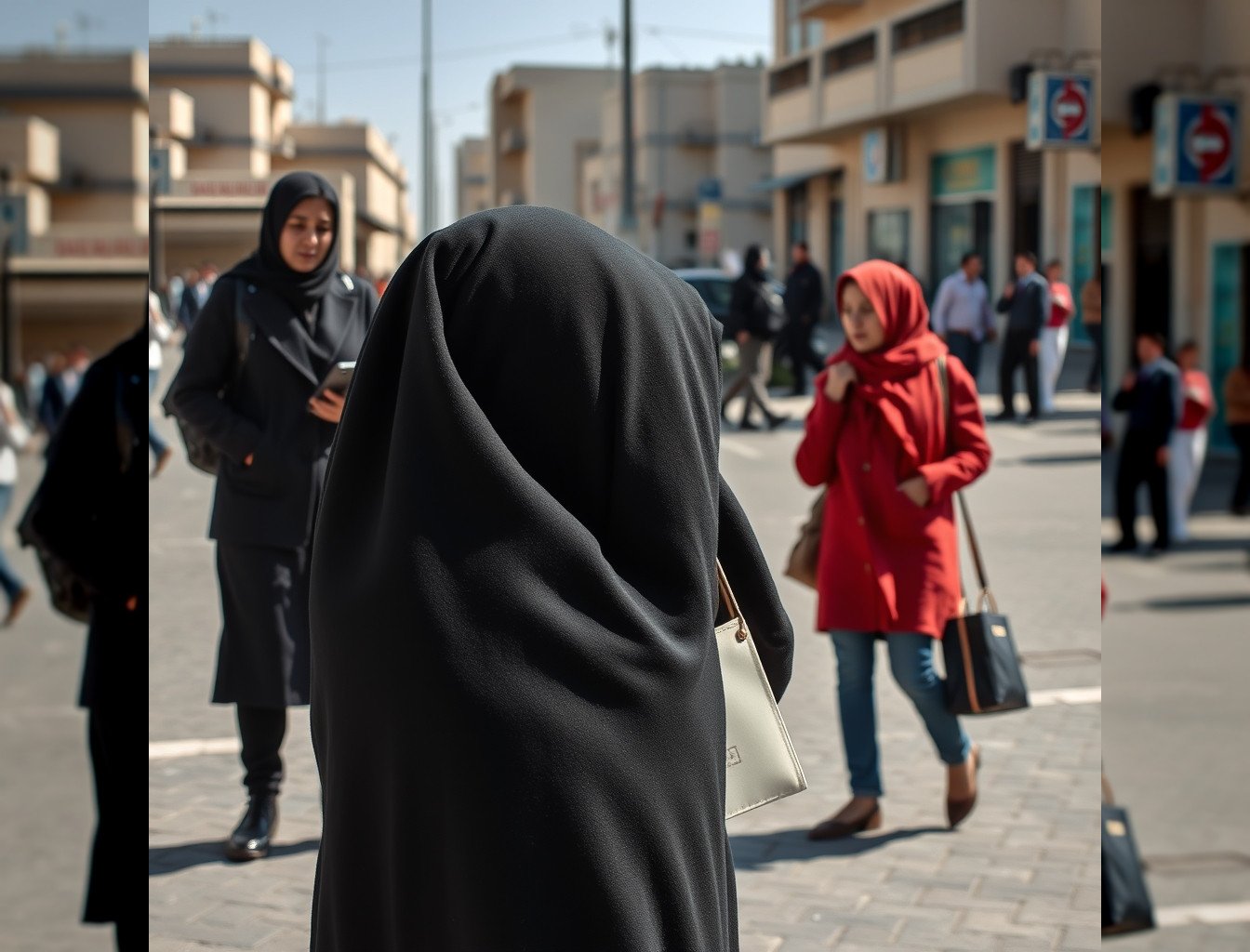
In September 2016, Algeria amended its penal code to criminalise sexual harassment in public spaces, workplaces, and educational institutions. Article 341 bis now carries penalties of up to two years in prison and fines of up to 200,000 Algerian dinars (approximately $1,800 at the time). Yet, according to GirlTalkHQ, the legal change has not translated into safer daily environments for women—especially those running businesses, working in informal sectors, or returning from the diaspora.
Workplace culture unchanged
The 2016 reform was meant to protect women in professional settings. Instead, entrepreneurs and employees report that harassment persists in both formal and informal workplaces. A 2015 survey by the National Office of Statistics (ONS) found that 60 % of Algerian women had experienced some form of harassment at work, yet only 3 % filed official complaints. The gap between law and practice is widest in small enterprises and family-run businesses, where informal hierarchies often override legal protections.
Female founders in Algiers, Oran, and Constantine describe a climate where investors, suppliers, and even customers use professional interactions as pretexts for unwanted advances. A 2016 study by the Algerian Association for the Defense of Women’s Rights (AADF) revealed that 42 % of women entrepreneurs had faced harassment from business partners, leading 18 % to abandon projects or relocate operations. The informal sector, which employs nearly 45 % of Algeria’s workforce, remains particularly vulnerable; women street vendors and home-based artisans report daily verbal and physical harassment without recourse to legal protection.
Diaspora returnees face double barriers
Algerians living abroad who return to launch start-ups encounter an additional layer of risk. According to GirlTalkHQ, returnees often lack local networks that could shield them from harassment or provide informal dispute resolution. A 2016 report by the Algerian Ministry of National Solidarity found that 30 % of diaspora returnees cited workplace harassment as a key reason for leaving Algeria within two years of arrival. The figure rises to 50 % among women under 35.
Diaspora entrepreneurs also face scepticism from local officials and business associations. Women who report harassment are frequently dismissed as “overly sensitive” or “foreign-influenced,” undermining their credibility in negotiations. The lack of confidential reporting mechanisms in most business incubators and co-working spaces further discourages formal complaints.
Legal loopholes and economic costs
The 2016 law requires victims to produce “material evidence” of harassment, a standard that is difficult to meet in verbal or psychological cases. Courts rarely accept witness testimonies, and police stations often refuse to register complaints without physical proof. According to GirlTalkHQ, only 12 % of harassment cases filed since 2016 have resulted in convictions, and the average fine imposed is 30,000 dinars—less than one-sixth of the maximum penalty.
The economic impact is measurable. A 2017 World Bank study estimated that workplace harassment costs Algeria 1.2 % of its annual GDP in lost productivity and talent flight. Female labour force participation remains at 19 %, one of the lowest rates in the Middle East and North Africa. For entrepreneurs, the climate deters investment; a 2016 survey by the Algerian Business Leaders Forum (FCE) found that 28 % of female-led start-ups had difficulty securing bank loans due to perceived “instability” linked to harassment risks.
What entrepreneurs can do now
Business founders can adopt internal policies that exceed legal requirements. The 2016 law does not mandate workplace training or anonymous reporting channels, but companies that implement them see lower turnover. A 2016 pilot by the Algerian Start-Up Initiative (ASI) in Algiers showed that start-ups with harassment prevention policies retained 35 % more female employees over 18 months.
Diaspora returnees can leverage international networks to demand accountability. The Algerian-American Business Council (AABC) has begun offering legal clinics for returnees, and the Algerian-European Business Club (AEBC) now includes harassment clauses in its investment contracts with local partners.
Key takeaway for entrepreneurs
Algeria’s 2016 harassment law remains unenforced in most workplaces, costing businesses talent and capital. Female founders and diaspora returnees face higher risks, but internal policies and international alliances can mitigate them. The economic cost of inaction—1.2 % of GDP—is a call to build safer professional environments from the ground up.
Sources
- GirlTalkHQ
💡 Starting a business in Algeria? GlobalStart guides you step by step: procedures, real costs, company forms (SARL, EURL, SPA) and CNRC registration.