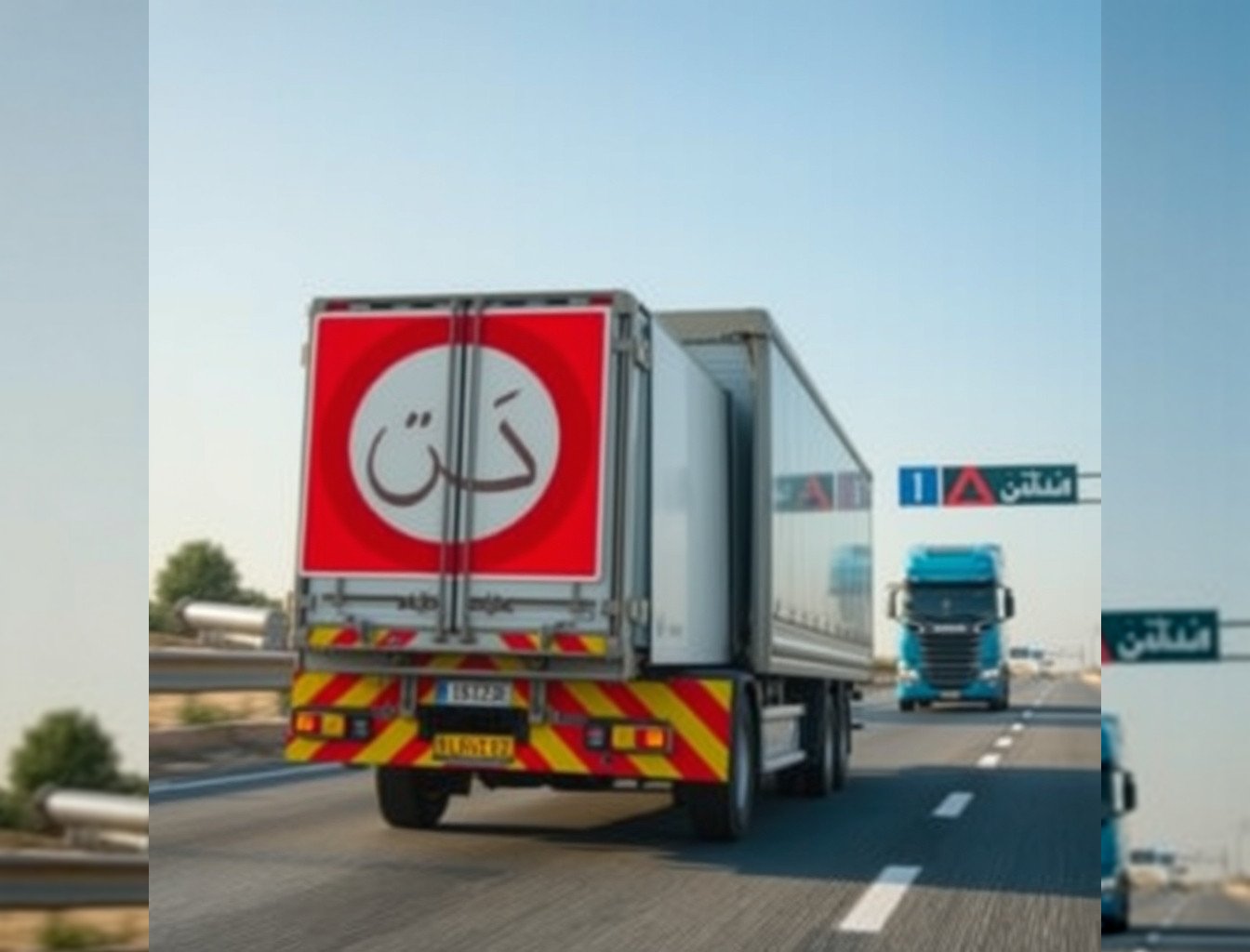
Algeria’s transport sector is under fresh scrutiny after the government introduced new road safety measures this week aimed at reducing accidents linked to commercial vehicles. The tightening comes as entrepreneurs in logistics, freight and passenger transport face growing pressure to comply with stricter rules or risk fines, vehicle impoundment and loss of operating licenses.
According to Algeria’s official news agency APS, the measures were approved by Prime Minister Nadir Larbaoui during a cabinet meeting held recently. They target heavy goods vehicles, buses and taxis, which account for a large share of road accidents in the country. Under the new rules, transport companies must ensure their vehicles undergo mandatory technical inspections every six months instead of annually. Drivers are required to hold a specialized license valid for three years, renewable only after completing an advanced road safety course.
The push follows a 15% rise in road fatalities in 2024, according to the National Office of Road Safety (ONSR), with commercial vehicles involved in nearly 40% of fatal crashes. The government has allocated 2 billion Algerian dinars (about $15 million) in 2025 to fund roadside checkpoints and public awareness campaigns targeting freight operators.
For entrepreneurs in transport and logistics, the changes are immediate. Companies like Algeria’s largest private trucking firm, TransAlgérie, have already begun retraining drivers and upgrading fleets. “We had to reduce our fleet maintenance cycles from 12 to 6 months,” said company CEO Kamel Touati. “It’s an added cost, but non-compliance means losing our license. We’re hiring more mechanics and investing in GPS tracking to monitor driver behavior.”
The impact is not limited to large operators. Small freight businesses and owner-drivers, many of whom operate aging vehicles, are feeling the pinch. In Algiers, taxi owner Rachid Benali said he spent over 300,000 dinars ($2,200) in June to repair his 2008 van after failing a surprise inspection. “I had to take a loan,” he told local press. “But I know the new rules are for our safety too.”
For the Algerian diaspora involved in transport or logistics ventures, the measures signal both risk and opportunity. Those investing in fleet upgrades or digital fleet management systems could gain a competitive edge as compliance becomes a market differentiator. Diaspora entrepreneurs running logistics platforms connecting Algeria with Europe, such as Algiers-based CargoBridge, are integrating real-time compliance dashboards into their apps to help clients track vehicle inspections and driver certifications.
The government is also pushing for digitalization. A new online portal, launched by the Ministry of Transport in 2025, allows companies to submit inspection reports and driver licenses directly. “Digital compliance reduces corruption at checkpoints and speeds up operations,” said Transport Minister Youcef Cherrah during a press briefing.
While the measures aim to curb accidents and improve efficiency, they also raise concerns over enforcement fairness. In some regions, local officials have been accused of targeting smaller operators while overlooking state-owned transport firms. The Federation of Algerian Road Hauliers (FART) has called for more transparent enforcement and financial support for small businesses to upgrade their fleets.
Entrepreneurs should also note that the new rules apply across all regions, including the Sahara, where long-distance freight routes are critical. Companies operating in remote areas like Tamanrasset now face tighter controls on vehicle maintenance and driver rest periods.
Key takeaway for entrepreneurs: Transport businesses must act quickly to align with the six-month inspection cycle and driver certification rules or risk operational shutdowns. Investing in digital fleet management and driver training can reduce long-term costs and improve compliance. Diaspora entrepreneurs can leverage compliance technology to build trust with international partners and gain market share.
Sources
- atlas-mag.net
- World Nomads
💡 Starting a business in Algeria? GlobalStart guides you step by step: procedures, real costs, company forms (SARL, EURL, SPA) and CNRC registration.