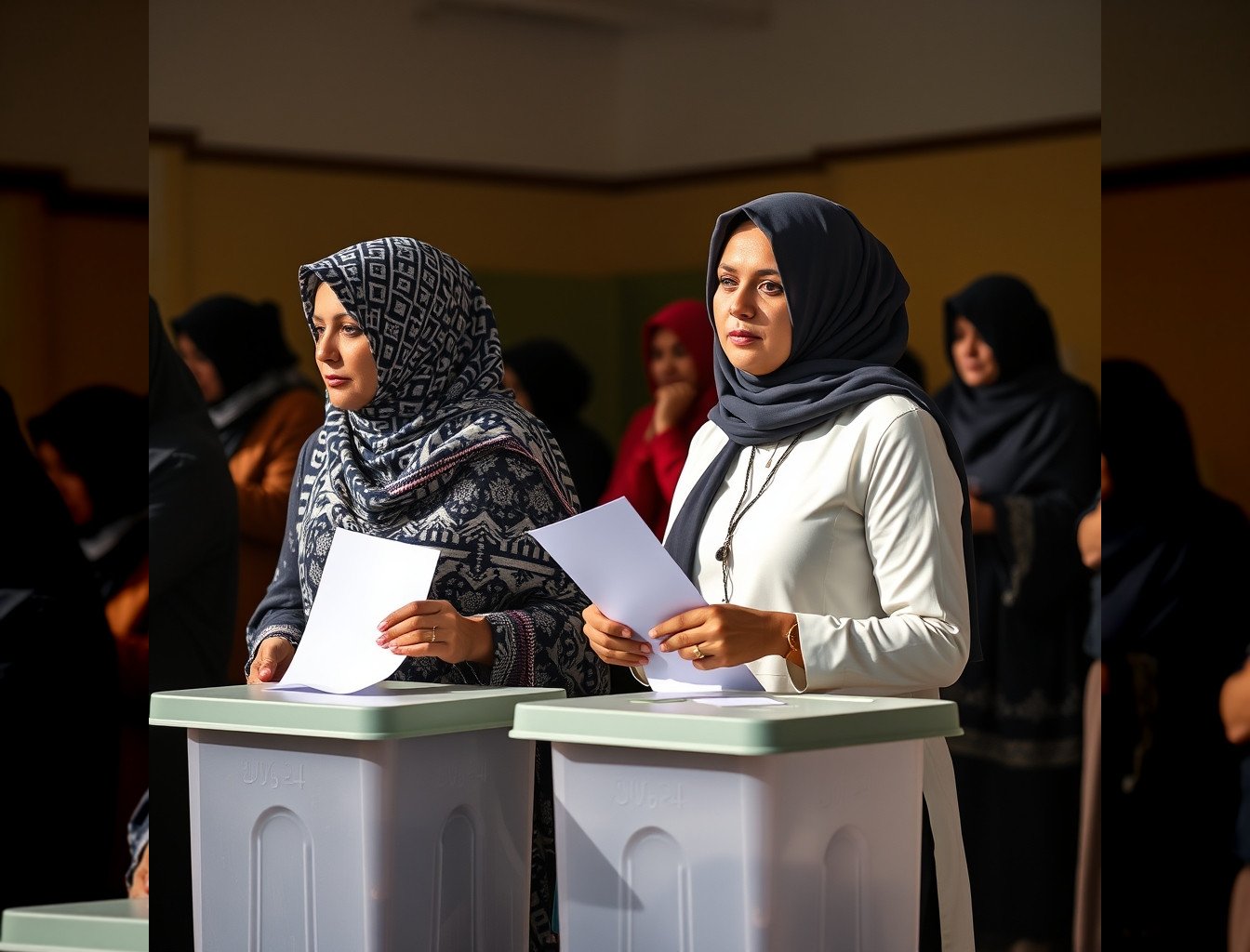
Algeria’s June 2026 vote is being watched not only for its political stakes but for whether legal promises on women’s rights will translate into real change. Recent reforms have raised questions among entrepreneurs and the diaspora about how these changes could reshape business life, especially for women-led ventures.
According to Atalayar, Algeria’s new family code adjustments aim to boost gender equality protections, including inheritance rules and marriage rights. Women’s rights groups see these as steps toward modernizing laws frozen since the 1980s. Yet scepticism lingers: previous promises on reform often stalled under bureaucratic delays or social resistance. The upcoming elections will test whether the government can push through even incremental legal updates before broader political gridlock returns.
For entrepreneurs, the stakes are practical. If inheritance laws become more flexible, female founders may gain clearer access to family assets without relying solely on male relatives’ approval. This could unlock startup capital currently tied up in traditional property structures. In sectors like tech and services—where women already lead 30% of small and medium-sized enterprises according to recent data—simpler inheritance pathways could accelerate reinvestment and hiring.
The diaspora is also watching closely. Algerian professionals abroad, particularly women in finance and law, have long cited rigid family codes as barriers to returning home or investing. If reforms pass, they could see clearer pathways to repatriate skills or funds. Remittances—already a $10 billion annual lifeline for Algeria—might diversify into equity stakes or venture funding, especially if legal clarity reduces risks.
Yet the reforms’ scope remains limited. Atalayar notes that proposed changes exclude full equality in inheritance, a core demand of activists. This halfway approach risks satisfying neither progressive entrepreneurs nor conservative investors. Women-led cooperatives in agribusiness or handicrafts—key to rural economies—could benefit from expanded marriage rights, but only if local authorities enforce new rules.
Business federations like the Algerian Union of Chambers of Commerce (CACI) have cautiously welcomed the moves. They highlight that gender-equal family laws align with global supply chain demands, particularly from European buyers who prioritize ethical sourcing. For Algerian exporters in textiles or food processing, proof of compliant labor practices could open premium markets where competitors from Morocco or Tunisia already lead.
The diaspora’s role could be pivotal. Remittances often flow to families with traditional views on property, but educated diaspora members may push for legal changes during visits or through advocacy groups. If reforms pass, platforms like the Algerian Diaspora Network could host webinars on leveraging new inheritance rights to fund startups back home.
Still, implementation lags remain a threat. Algeria’s bureaucracy has historically dragged on reforms for years; entrepreneurs recall the 2016 labor law updates that took nearly a decade to trickle into practice. Women in tech hubs like Oran or Algiers report that even with legal improvements, local courts may ignore them without training or political pressure.
The 2026 vote will reveal whether Algeria’s leadership prioritizes economic modernization over social status quo. For now, the message to investors is mixed: reform momentum exists, but its impact depends on enforcement.
Key takeaway for entrepreneurs
Algeria’s 2026 family code adjustments could ease capital access for women-led startups by clarifying inheritance and marriage rights. However, full enforcement is uncertain, and changes exclude key demands like equal inheritance. Diaspora professionals may find new opportunities to repatriate skills or funds if reforms stick, but should monitor local enforcement closely before basing decisions on them.
Sources
- Atalayar
💡 Starting a business in Algeria? GlobalStart guides you step by step: procedures, real costs, company forms (SARL, EURL, SPA) and CNRC registration.