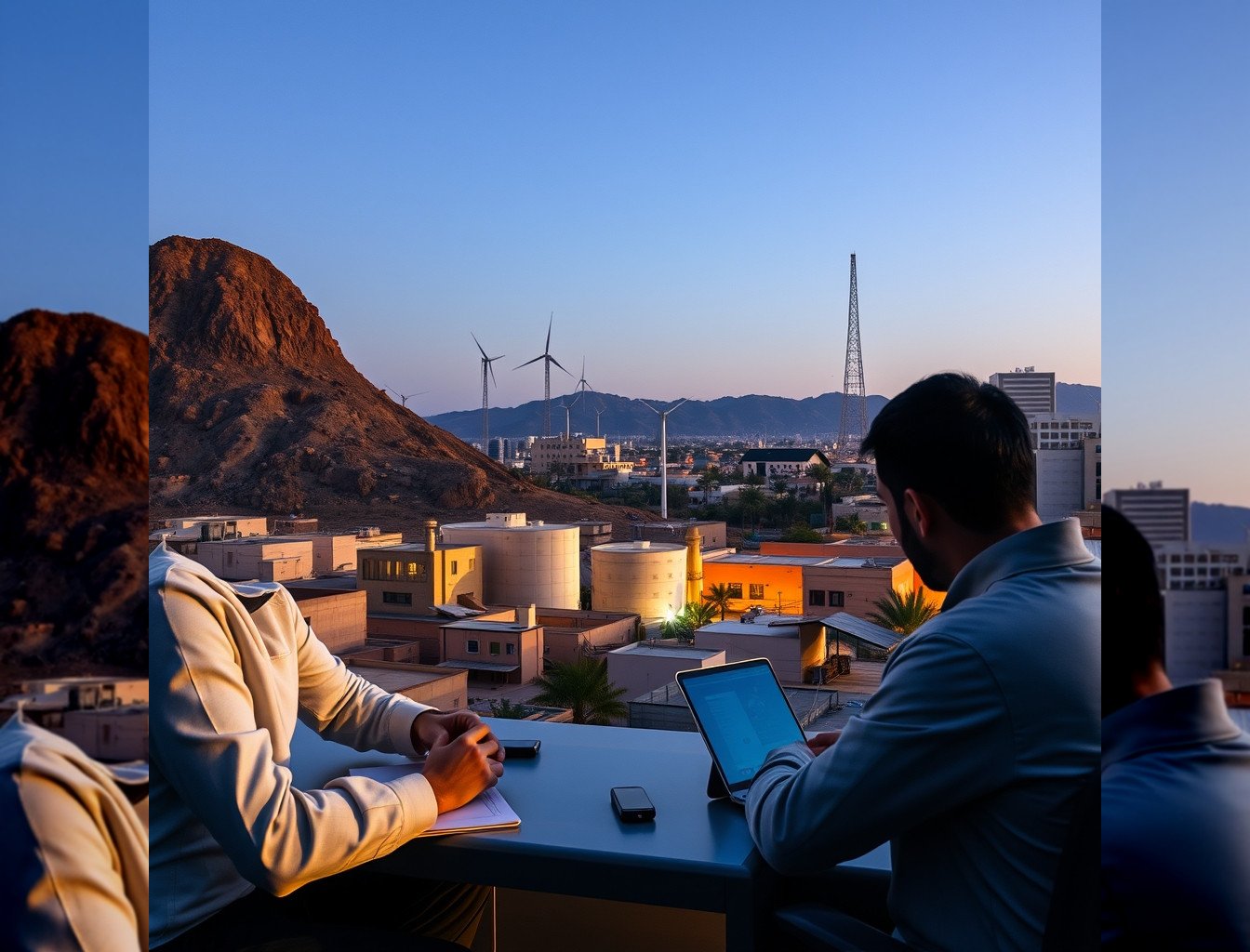
Algeria’s startup ecosystem is caught between state-driven ambition and persistent structural barriers. While public funds funnel into deeptech and renewables, private-sector entrepreneurs face funding droughts, bureaucratic red tape, and an unpredictable regulatory environment. The contrast is stark: the government pushes for innovation in AI and green energy, yet commercialization remains weak, and foreign investors pull back from energy projects despite Algeria’s vast potential.
Public Sector Pushes Tech, but Commercialization Stalls
Venture capital investment in Algerian startups dropped to $28 million in 2023, down from $45 million the prior year, according to the Algerian Startups Association. Most early-stage funding comes from public grants, typically ranging between $50,000 and $150,000—far below the levels needed for scaling. The GrantWatch guide emphasizes that Algerian startups rely heavily on state-backed programs, with limited private-sector participation.
The disconnect between research and market readiness is evident. While CERIST’s hub focuses on AI and cybersecurity, few ventures transition from lab to commercial success. The fundsforNGOs open call for innovation and commerce collaboration suggests a gap: Algerian startups struggle to access international networks or secure follow-on funding beyond initial grants.
Energy Ambitions Clash with Foreign Investment Retreat
Green hydrogen is a priority, with Algeria reaffirming strategic partnerships with Europe—particularly Germany, which sees Algeria as a major supplier. However, foreign direct investment in energy fell 18% in 2023, per Bank of Algeria data, due to bureaucratic hurdles and profit repatriation restrictions. The African Energy Chamber praised Algeria’s achievements, but investors cite delays in approvals and unclear fiscal incentives as deterrents.
Public-private partnerships (PPPs) remain the most viable path for energy entrepreneurs. The government offers tax breaks and 20-year power purchase agreements (PPAs) for renewables and green hydrogen, but securing foreign collaboration requires navigating complex local laws. Without foreign capital, large-scale projects risk stagnation.
SMEs Struggle Under Tight Lending and Visa Crackdowns
Freelancers and digital nomads are also under pressure. A Schengen visa crackdown has exposed vulnerabilities in Algeria’s cross-border workforce. An Indian company, BLS, was probed for allegedly charging €25,000 per visa to Algerians seeking European entry—a sign of how migration policies are tightening. Freelancers relying on European clients may face visa denials or work restrictions, disrupting remote income streams.
Reforms and Protests: A Cautious Liberalization
Economic reforms are incremental. The 5% GDP growth driven by Asian investments suggests selective liberalization, but structural issues persist. The Washington Institute noted protests in southern Algeria over unemployment and regional neglect, indicating that reforms do not yet address grassroots economic frustrations.
Key Takeaway for Entrepreneurs
Sources
- Industrial Info Resources
- fundsforNGOs
- GrantWatch
- AL24 News
- iAfrica.com
- We are Tech
💡 Starting a business in Algeria? GlobalStart guides you step by step: procedures, real costs, company forms (SARL, EURL, SPA) and CNRC registration.