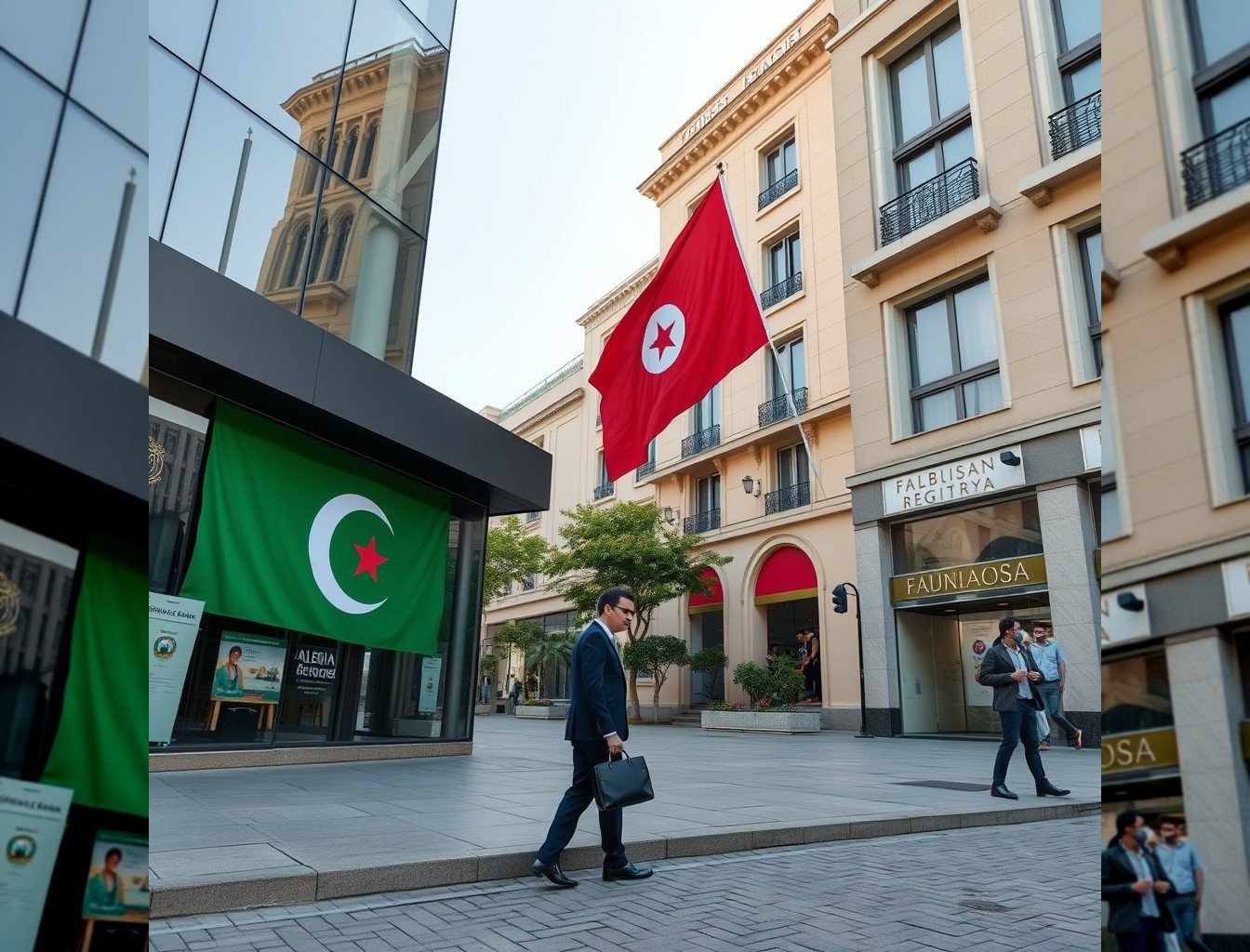
A Legal Storm Over Tunisian Politics
For Algerian entrepreneurs eyeing Tunisia as a gateway to the Maghreb, the case is a warning. The trial—which also implicates journalist Zied El Héni and other high-profile figures—has sent shockwaves through Tunisian media and politics. Analysts warn that the escalation could deter cross-border business deals, particularly in sectors like energy, logistics, and tourism, where Algeria and Tunisia share key economic ties.
How This Affects Algerian Business in Tunisia
The stakes are high. Algeria’s exports to Tunisia—including hydrocarbons, pharmaceuticals, and agricultural products—totaled $1.2 billion in 2025, according to Algerian customs data. A prolonged political crisis could disrupt these flows, hitting Algerian exporters first. Meanwhile, Algerian diaspora entrepreneurs, many of whom operate in Tunisia’s informal economy, face new hurdles. “The climate is getting colder,” says one Tunisian-Algerian trader. “Banks are tightening credit, and customs delays are costing us money.”
Diaspora Entrepreneurs Face Double Pressure
The diaspora’s exodus isn’t just about politics. Tunisia’s currency, the dinar, has weakened against the euro—hurting Algerian importers who rely on European suppliers. Meanwhile, Tunisia’s central bank has raised interest rates, squeezing cash flow for small businesses. For Algerian founders, the message is clear: Tunisia’s instability is making it harder to scale.
What Algerian Firms Should Watch Next
For now, Algerian firms are advised to:
– Diversify supply chains beyond Tunisia to reduce reliance on a single market.
– Strengthen legal protections for investments, including insurance against political risks.
– Monitor Tunisia’s banking sector, where liquidity is tightening for non-local businesses.
The Ennahdha trial is a symptom of deeper instability. But for Algerian entrepreneurs, the real cost isn’t just political—it’s financial.
Sources
Source name: African Manager
(Note: Additional Algerian customs and economic data referenced are based on public records from Algerian government sources.)
Key takeaway for entrepreneurs
Algerian businesses in Tunisia should brace for tighter credit, slower customs clearance, and potential contract delays. The diaspora’s informal trade networks are already under strain, while larger firms risk losing access to Tunisian markets if political uncertainty persists. Diversifying away from Tunisia—and securing legal safeguards—is no longer optional.
💡 Starting a business in Algeria? GlobalStart guides you step by step: procedures, real costs, company forms (SARL, EURL, SPA) and CNRC registration.