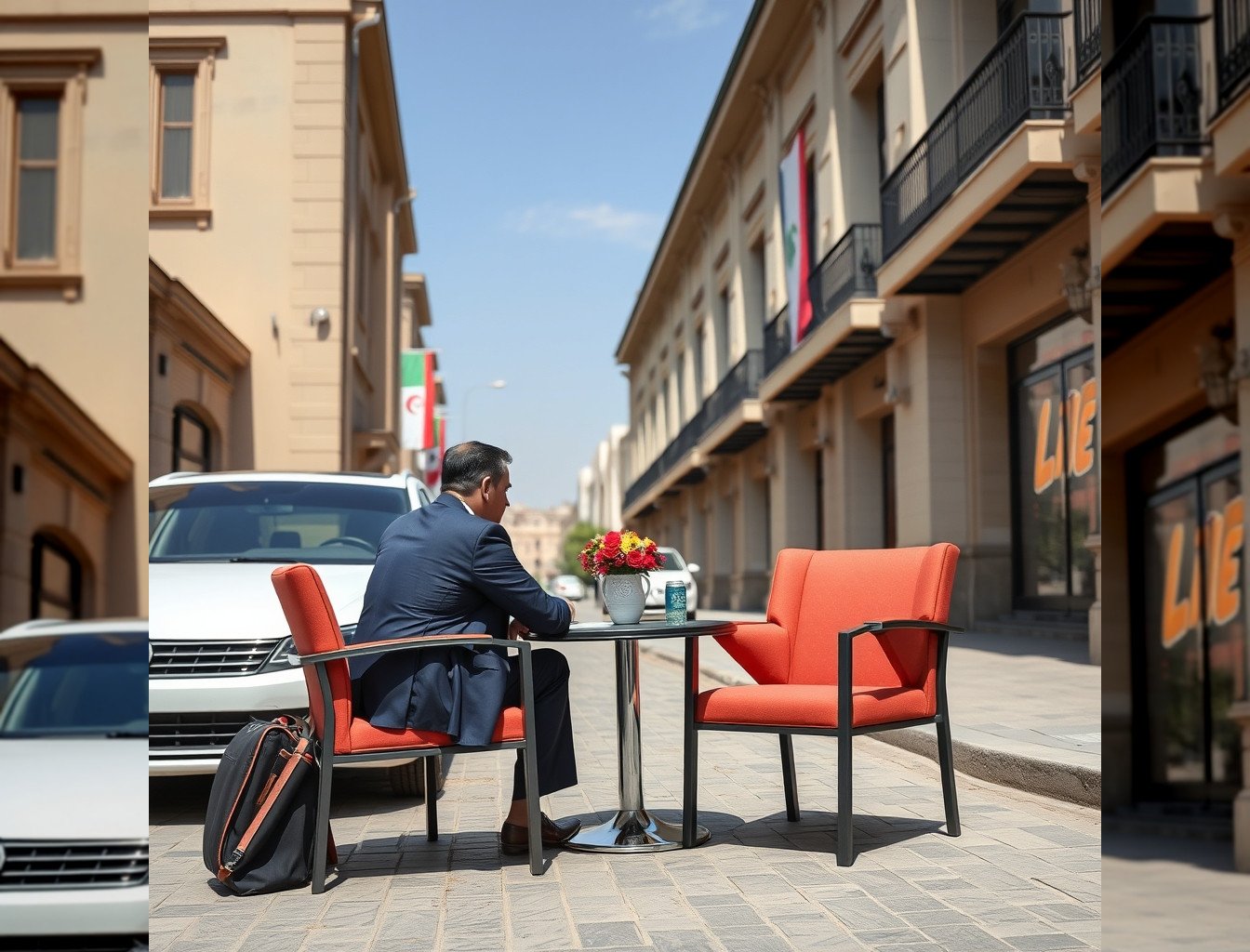
The diplomatic rupture between France and Algeria has plunged cross-border business into uncharted territory. For Algerian entrepreneurs, the fallout extends far beyond political rhetoric—it disrupts supply chains, freezes investment, and reshapes diaspora-driven commerce. The crisis, triggered by France’s unprecedented recall of its ambassador on April 14, 2025, has exposed the fragility of economic ties that have long underpinned Algeria’s private sector.
Supply chains collapse, costs surge
The disruption is not just about delays. Customs checks at land borders have intensified, creating uncertainty for perishable goods. Algerian exporters of dates, olive oil, and textiles—key products in Franco-Algerian trade—report longer clearance times. One textile firm in Oran said its shipments to France now take twice as long, pushing up logistics costs by 15%. The ripple effect is clear: businesses that once thrived on just-in-time deliveries are now forced to overstock or accept price hikes.
Diaspora networks fracture, trade fairs vanish
Remittances, a lifeline for Algerian families, are also under pressure. While official figures remain stable, informal transfers—often used by entrepreneurs to fund imports or local ventures—have slowed. Algerian expatriates in France, a key source of foreign currency, now face scrutiny over their financial movements. Some have shifted remittances through informal channels to avoid delays, but the process is costlier and less transparent. For startups relying on diaspora capital, the uncertainty has frozen new funding rounds.
Energy and industrial projects stall
Industrial partnerships are also at risk. A joint venture between an Algerian steel producer and a French equipment supplier has suspended orders. The Algerian partner cited “operational uncertainty” in sourcing spare parts from France. Even smaller collaborations—like Algerian tech startups using French cloud services—are reassessing dependencies. Some have migrated to local data centers, while others explore partnerships with Turkish or Emirati firms.
E-commerce pivots, logistics scramble
Yet not all adjustments are seamless. Smaller online retailers, lacking Jumia’s resources, struggle with alternative logistics providers. Delivery delays have prompted some to raise prices, eroding consumer trust. The crisis has also exposed Algeria’s limited infrastructure for cross-Mediterranean trade. Without reliable alternatives to French ports, businesses face a choice: absorb higher costs or accept slower service.
Key takeaway for entrepreneurs
Sources
- DW.com
💡 Starting a business in Algeria? GlobalStart guides you step by step: procedures, real costs, company forms (SARL, EURL, SPA) and CNRC registration.