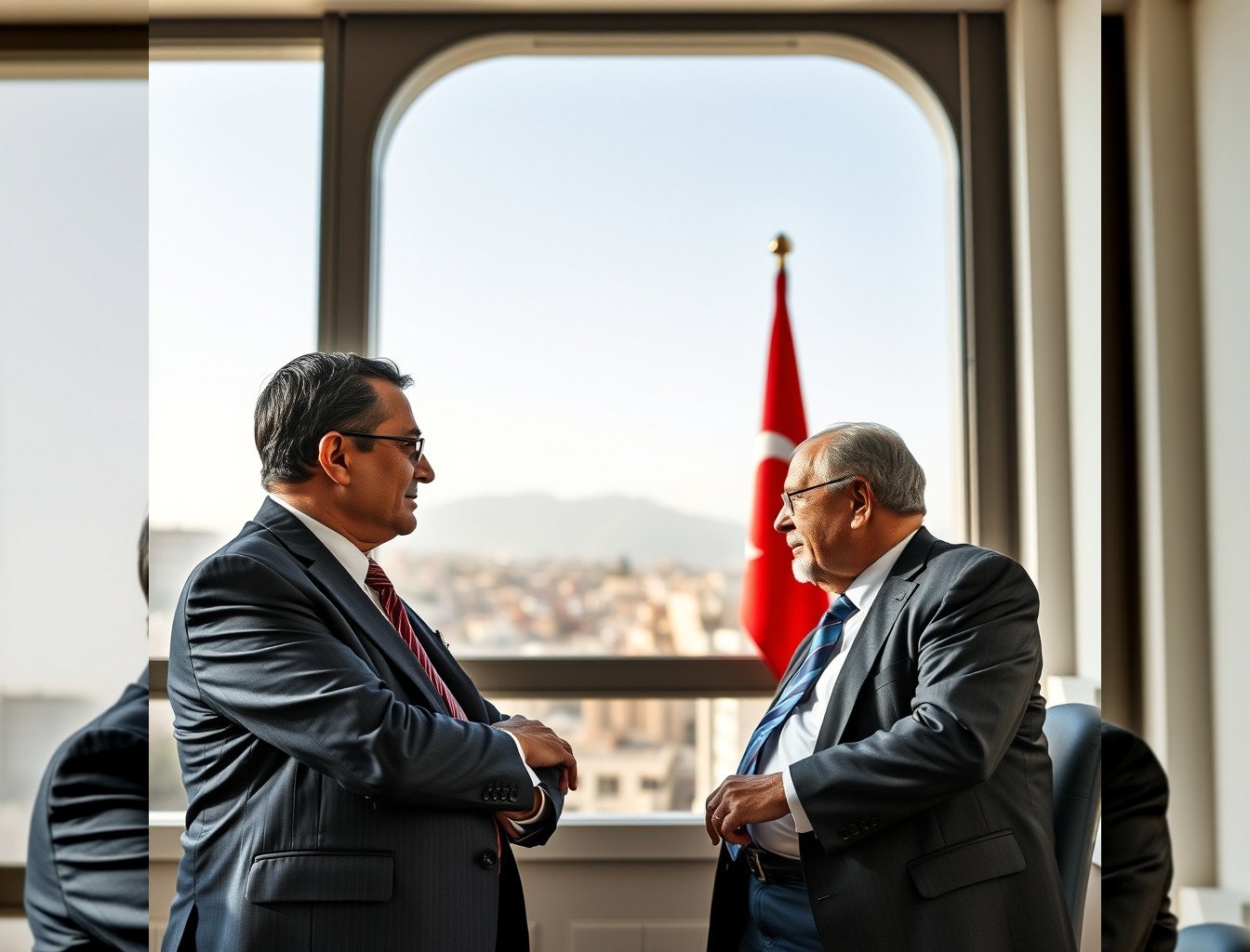
Weekly Trends: Military Spending, Diplomatic Tensions, and Economic Priorities
Geopolitical Moves: Military Power and Diplomatic Leverage
Impact on defense contractors:
– Local firms in aerospace, electronics, and logistics stand to benefit from maintenance and training contracts. The state-owned SONACA (aerospace) and Dassault Aviation’s Algerian joint ventures are key players.
– Risk: Sanctions or export controls on dual-use tech could disrupt supply chains.
Sahel rivalry with Morocco escalates
Algeria’s support for Mali’s military junta (via arms and diplomatic backing) clashes with Morocco’s influence in Niger and Libya. The Sahel becomes a proxy battleground for regional dominance, with Algeria betting on military ties over economic integration.
For entrepreneurs:
– Opportunity: Security firms in IT, border surveillance, and military logistics may see demand from Algerian-backed governments in the Sahel.
– Risk: Unstable trade routes increase costs for exporters to West Africa.
Economic Policy: Pharmaceutical Exports and IT Security as Growth Levers
Key figures:
– SIDAL (state-owned) and Pharma5 lead in generics production.
– Barriers: High production costs (energy subsidies cut in 2023) and bureaucracy delay approvals.
IT security contracts surge
The National Agency for IT Security (ANSSI-Algeria) awarded $45 million in contracts this year to local firms for cyberdefense projects. Demand stems from state digitalization drives and rising cyber threats.
For entrepreneurs:
– Pharma: Firms must invest in GMP-certified facilities to meet WHO standards. Energy efficiency upgrades (solar/wind) could offset rising costs.
– IT Security: Government tenders favor Algerian-owned firms with ISO 27001 certification. Foreign partners may face restrictions under new data localization laws.
Diplomacy: Africa-Europe Corridors and Arab League Engagement
Key moves:
– Parliamentary Youth Conference highlighted Algeria’s €3 billion pledged for African development (2024-2026), focusing on energy and transport.
– Risk: Competition with Turkey and UAE for African contracts may limit returns.
For diaspora investors:
– Opportunity: Algerian firms in renewable energy (Sonatrach’s solar projects) and transport logistics may seek foreign capital for African ventures.
– Risk: Political instability in partner nations (e.g., Libya, Mali) delays project timelines.
Domestic Stability: Wildfires and Political Shifts
Political appointments:
– New Council of State president (Justice Minister’s pick) signals centralization of legal oversight.
– Tizi-Ouzou recovery efforts (€50 million allocated) focus on rebuilding infrastructure post-protests.
For entrepreneurs:
– Rebuilding contracts in construction and agriculture may open in affected regions.
– Risk: Protest-related disruptions persist in Kabylie; supply chains to eastern Algeria face delays.
Football and Soft Power: Hemdani’s AFCON Gamble
Economic angle:
– Football-related spending (stadium upgrades, sponsorships) reached €800 million in 2023.
– Opportunity: Local brands (e.g., Sidi Salem sportswear) may gain from nationalistic consumer trends.
Cultural Recovery: Tizi-Ouzou’s Economic Reboot
For entrepreneurs:
– Local firms in tourism (ecotourism) and handicrafts may access subsidies.
– Risk: Slow bureaucratic approvals delay project starts.
Weekly Balance: Military Power vs. Economic Priorities
Key takeaway for entrepreneurs:
Algerian business success hinges on state-aligned sectors—defense, IT security, and pharma—where contracts are predictable. Diaspora investors should target African energy and logistics but brace for delays in unstable partner nations. Local firms in reconstruction zones (Tizi-Ouzou) face subsidies but must act fast due to bureaucratic hurdles.
💡 Starting a business in Algeria? GlobalStart guides you step by step: procedures, real costs, company forms (SARL, EURL, SPA) and CNRC registration.