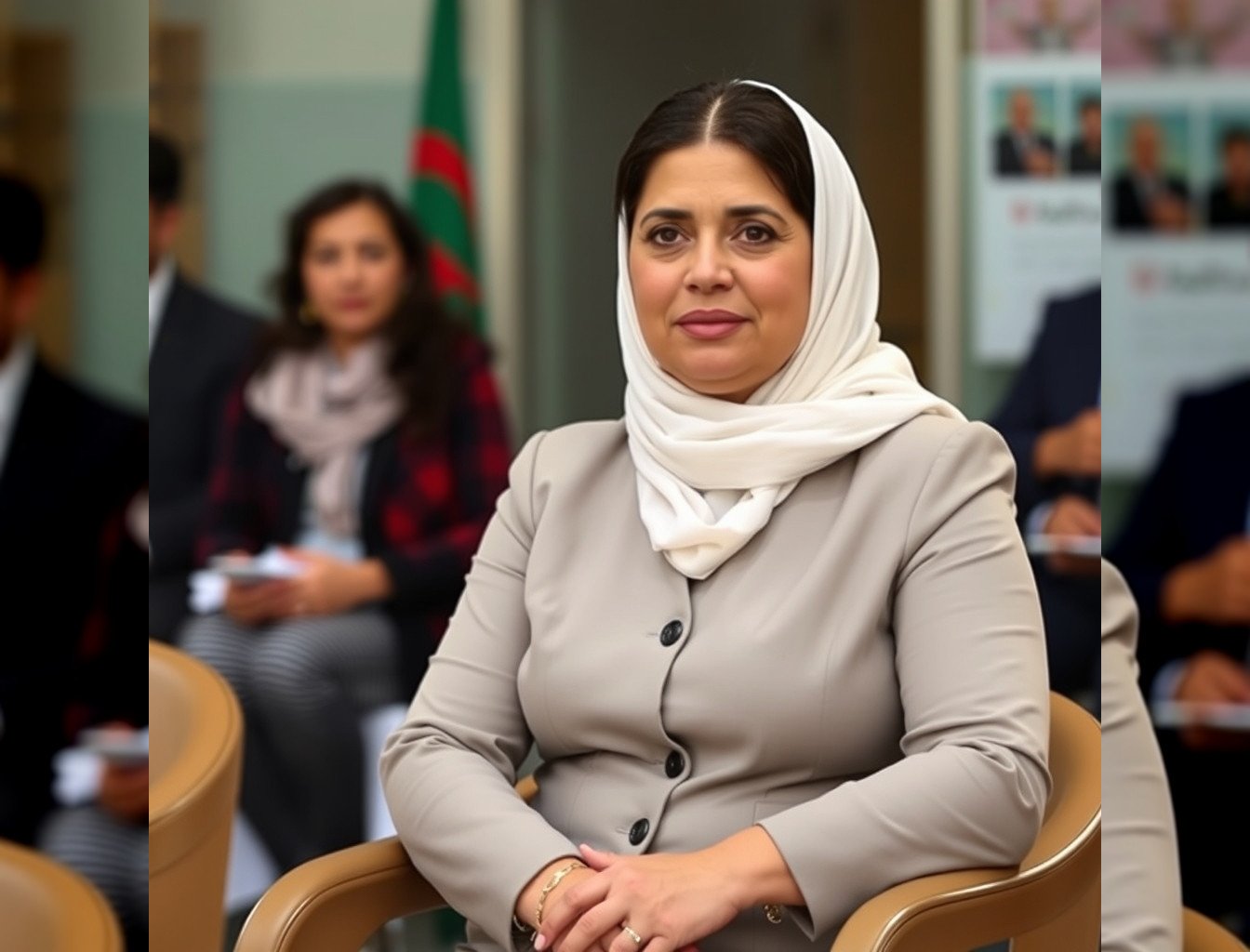
Algeria’s new Deputy Minister for Local Authorities, Fouzia Naama, is stepping into a role that could reshape how small businesses and municipal economies operate. Her appointment this week by Interior Minister Saïd Sayoud marks a shift in focus toward decentralizing economic power—one that entrepreneurs and the Algerian diaspora should watch closely.
A woman in a male-dominated system
Naama’s appointment is historic. As Algeria’s first female deputy minister in this portfolio, she brings a rare female perspective to a sector long dominated by men. Her background in public administration and local governance suggests she may prioritize policies that directly impact SMEs, which account for 90% of Algeria’s private sector and employ over 60% of the workforce, according to the World Bank.
Her arrival coincides with growing frustration among entrepreneurs over bureaucratic hurdles. Many small businesses struggle with slow approvals for permits, inconsistent municipal regulations, and limited access to local funding. Naama’s portfolio—overseeing 1,541 communes—puts her in a position to streamline these processes.
Decentralization: A double-edged sword for entrepreneurs
The Algerian government has long centralized economic decision-making, but recent reforms aim to shift some authority to local governments. For business founders, this could mean faster approvals for projects like rural tourism ventures, agro-industrial cooperatives, or municipal infrastructure contracts.
However, decentralization also risks creating uneven playing fields. Wealthier communes like Bab Ezzouar (Algiers) or Tizi Ouzou already attract investment, while poorer regions lack basic services. Naama’s challenge will be ensuring that smaller towns don’t get left behind. Entrepreneurs in underserved areas should monitor her early policy moves—especially regarding land-use permits, tax incentives for local startups, and public-private partnerships.
Diaspora entrepreneurs eyeing homegrown opportunities
Algerian expatriates, particularly in France, Spain, and the Gulf, have long funded businesses back home—but often face red tape when trying to invest locally. Naama’s role could ease some of these barriers. For example, remittances from the diaspora exceeded $10 billion in 2025, yet many funds go into real estate or informal sectors due to bureaucratic delays.
If Naama pushes for simplified residency permits for returning investors or tax breaks for diaspora-backed SMEs, it could unlock new capital. The Algerian government has previously offered incentives like 50% tax reductions for startups in “priority sectors” (agriculture, tech, renewable energy), but enforcement varies by commune. Entrepreneurs should push for clearer guidelines.
The SONATRACH effect: Will local businesses get a fair share?
Algeria’s state-owned energy giant, SONATRACH, dominates the economy, but its contracts often favor large firms over SMEs. Naama’s appointment raises questions about whether local authorities will push for more subcontracting opportunities for small businesses in infrastructure or energy-related projects.
In 2025, SONATRACH awarded $1.2 billion in contracts to local firms, but only 15% went to SMEs, per industry reports. If Naama’s ministry enforces stricter local content laws—requiring a minimum percentage of spending with Algerian small businesses—it could be a game-changer for entrepreneurs in sectors like construction, logistics, and services.
What’s next? Watch these three policy areas
Entrepreneurs should track Naama’s early actions in three critical areas:
1. Digital permits for businesses – Some communes now offer online registration, but others still require in-person visits. Naama may accelerate this shift, cutting weeks off startup timelines.
2. Municipal investment funds – A pilot program in Oran and Constantine allocates 5% of local budgets to SMEs. If expanded nationally, it could fund $500 million+ annually in small business loans.
3. Diaspora investment visas – Algeria has experimented with fast-track residency for investors, but criteria are vague. Clarity here could attract more expat capital.
Key takeaway for entrepreneurs
Naama’s appointment is a rare opportunity to push for faster permits, clearer investment rules, and more local business opportunities. Entrepreneurs should engage with municipal officials early, lobby for simplified tax codes, and watch for new diaspora-friendly policies. The next 12 months will determine whether Algeria’s decentralization drive becomes a boon—or another layer of bureaucracy—for small businesses.
💡 Starting a business in Algeria? GlobalStart guides you step by step: procedures, real costs, company forms (SARL, EURL, SPA) and CNRC registration.