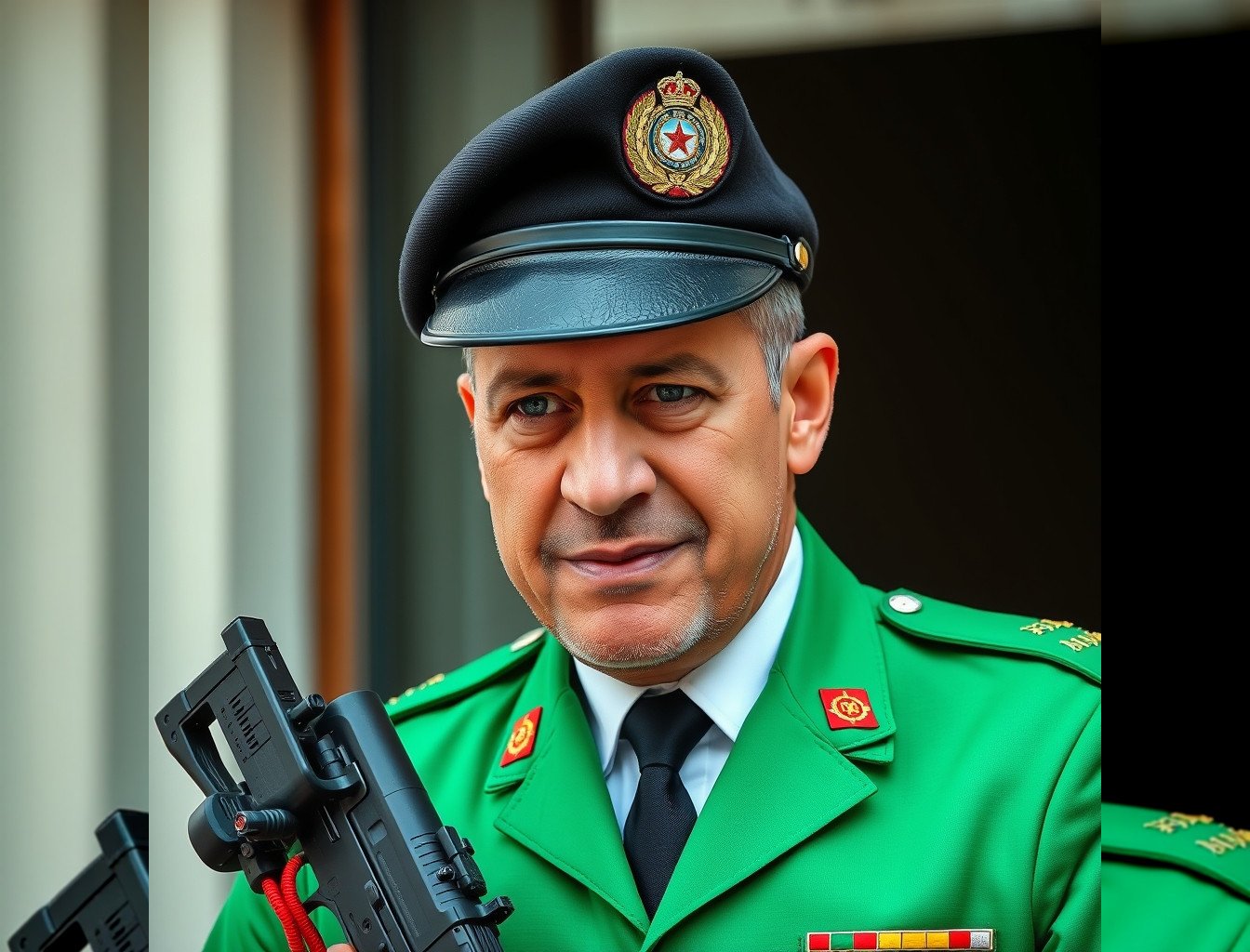
Algeria’s Drug Crackdown Chief Takes Center Stage in Africa’s Anti-Narcotics Strategy
Tarek Kour, Algeria’s top drug enforcement official, is leading the country’s delegation at the 33rd Meeting of Heads of National Drug Law Enforcement Agencies (HONLEA-Africa) in Vienna. His presence signals Algeria’s determination to push for the continent’s strictest anti-narcotics policies. But beyond the diplomatic stage, the move carries weighty implications for Algerian businesses, exporters, and the diaspora.
The meeting in Vienna is not just a routine gathering. It is a high-stakes moment where Algeria aims to set the tone for drug control across Africa. With Kour at the helm, the delegation will likely advocate for harsher penalties, stricter border controls, and tighter cooperation with international partners. For Algeria, this is more than policy—it is a reputation-building exercise on the global stage.
Why Drug Control Matters for Algerian Exporters
Algeria’s economy relies heavily on legitimate trade, particularly hydrocarbons and agricultural products. But drug trafficking remains a persistent threat to its image and economic stability. If Algeria is seen as a weak link in the drug chain, it risks trade sanctions, port inspections, and reputational damage that could deter foreign investors.
The EU, in particular, is watching closely. European ports are major transit points for narcotics, and Algeria’s role in intercepting shipments directly impacts its access to European markets. A successful crackdown could strengthen Algeria’s negotiating position in trade deals. Conversely, failure could lead to increased scrutiny of Algerian exports, especially through Mediterranean routes.
For exporters, this means stricter compliance checks ahead. Customs procedures may tighten, and delays could become more frequent. Businesses dealing in pharmaceuticals, chemicals, or high-value goods—often targeted in drug smuggling investigations—will need to document their supply chains meticulously.
The Diaspora’s Unexpected Role in Border Security
Algeria’s diaspora, spread across Europe and beyond, plays an unintended but critical role in drug enforcement. Many migrants, particularly in France, Spain, and Italy, are unwittingly caught in cross-border narcotics networks. Their movements, financial transactions, and social ties often facilitate smuggling routes without their knowledge.
Kour’s push for tougher measures could lead to increased surveillance of diaspora-linked remittances and travel patterns. Algerian authorities may collaborate more closely with European law enforcement to monitor suspicious activity. For the diaspora, this means greater scrutiny of money transfers, business dealings, and even family visits.
Yet, the crackdown also presents an opportunity. A stronger anti-drug stance could reduce the risk of money laundering tied to illicit trade. For Algerian entrepreneurs abroad, this might mean easier access to banking services and lower risks of financial red flags during transactions.
A Crackdown That Could Boost Legitimate Business
The fight against drugs is not just about suppression—it is about protecting Algeria’s economic interests. By tightening controls, the government aims to minimize the shadow economy that thrives alongside narcotics trafficking. This, in turn, could create a more stable environment for SMEs and startups.
For small businesses, reduced corruption and smuggling-related disruptions mean lower operational costs. If drug-related crime declines, logistics become smoother, and supply chains face fewer interruptions. The government’s crackdown could also attract foreign direct investment by signaling a cleaner business climate.
However, the benefits depend on implementation. If enforcement is too aggressive, legitimate traders—especially those in informal sectors—could face unnecessary harassment. The challenge for Kour’s office will be to balance security with economic pragmatism, ensuring that the crackdown does not stifle the very businesses it seeks to protect.
The EU’s Watchful Eye on Algerian Ports
Algeria’s Mediterranean ports are key transit points for narcotics moving between Africa and Europe. The EU has long viewed Algeria as a critical ally in disrupting drug routes, but recent cases of corruption and inefficiency in Algerian customs have raised concerns.
With Kour leading the charge, the EU may increase pressure for reforms in port security. This could result in more joint patrols, advanced scanning technology, and real-time data sharing between Algerian and European agencies. For Algerian businesses shipping goods to Europe, this means longer but more transparent inspections.
The risk is that delays could pile up, particularly for perishable goods or time-sensitive shipments. Yet, if the crackdown succeeds, it could reduce the likelihood of seizures for legitimate traders—provided they adhere strictly to documentation and compliance rules.
What This Means for Startups and SMEs
For Algeria’s growing startup scene, the drug crackdown presents both challenges and opportunities. On one hand, stricter financial regulations may make it harder to access funding, especially for early-stage ventures. Banks, already cautious, may freeze accounts or reject loans if they detect even indirect links to high-risk sectors.
On the other hand, a cleaner business environment could boost investor confidence. Startups in tech, agriculture, and renewable energy—sectors with low drug-related risks—may find it easier to secure partnerships and grants. The government’s push for economic diversification aligns with the anti-drug strategy, meaning that innovative, legal businesses could see more support.
The key for SMEs will be proving their legitimacy. Keeping audit trails, supplier contracts, and financial records in order will be essential. Those who can demonstrate compliance will be in the best position to navigate the new security landscape.
Key Takeaway for Entrepreneurs
Algeria’s drug crackdown is reshaping the business environment—for better or worse. Entrepreneurs must prepare for tighter controls, whether in trade, finance, or logistics. Those who adapt quickly, document thoroughly, and avoid high-risk sectors will thrive. Meanwhile, the government’s success in Vienna could open doors to European markets—but only if Algeria proves it can enforce its policies without choking legitimate commerce. The coming months will reveal whether the crackdown becomes a force for economic stability—or a burden for small businesses.
Sources
💡 Starting a business in Algeria? GlobalStart guides you step by step: procedures, real costs, company forms (SARL, EURL, SPA) and CNRC registration.