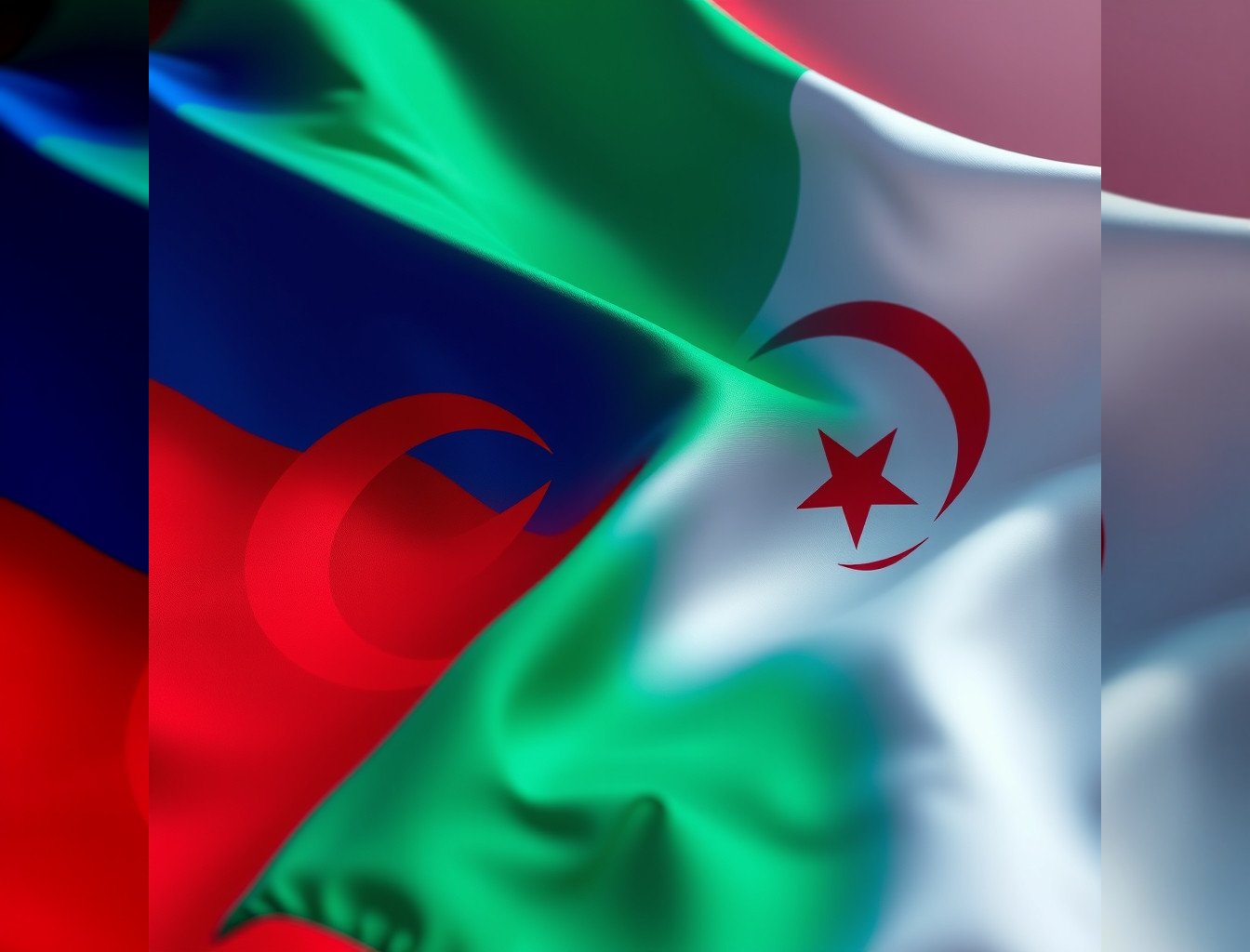
Minister Ahmed Attaf’s meeting with Slovak Foreign Minister Juraj Blanar this week signals Algeria’s silent economic offensive in Europe—one that could transform its trade deficit and hand Algerian entrepreneurs a rare export opportunity.
Why Slovakia matters for Algerian businesses
Slovakia’s economy is a microcosm of Central Europe’s growth: a $120 billion GDP, a manufacturing powerhouse (cars, electronics, chemicals), and a gateway to the EU’s single market. For Algeria, which exported just $1.8 billion in goods to Slovakia last year, the country represents untapped demand for its oil, gas, and agricultural products.
The visit follows Slovakia’s recent pivot toward diversifying energy imports. With Russia’s gas supplies unreliable and EU sanctions tightening, Bratislava has been quietly courting Algeria as a reliable supplier. In 2025, Algeria became Slovakia’s second-largest gas supplier after Norway, sending 1.2 billion cubic meters through pipelines. But the real prize lies in non-energy trade—where Algerian exporters have barely scratched the surface.
Oil and gas: The $5 billion market Algeria is missing
Algeria’s Sonatrach already supplies Slovakia with liquefied petroleum gas (LPG) and butane, but the potential is far greater. Slovakia’s refineries, including the 100,000-barrel-per-day Slovnaft plant, could absorb more Algerian crude and condensates if trade barriers fall.
“Slovakia’s refineries are running at 85% capacity,” said a source at the Algerian Embassy in Bratislava. “If Sonatrach secures long-term contracts, it could mean $5 billion in annual exports—double what Algeria currently earns from Slovakia.”
The catch? Algeria’s oil exports to Europe are dominated by France, Italy, and Spain. Slovakia’s smaller market demands flexibility—smaller shipments, faster customs clearance, and local partnerships. For Algerian traders, this means bypassing middlemen in Rotterdam or Marseille and dealing directly with Slovak importers.
Agriculture: Algeria’s $200 million secret weapon
While oil grabs headlines, Algeria’s agricultural sector could be the quiet winner. Slovakia imports $1.5 billion in food annually, much of it from Poland and Hungary. Algerian exporters have already cracked the Czech market with dates, olives, and citrus—but Slovakia remains wide open.
“Algerian dates sell for €3/kg in Slovakia, while local dates cost €5,” said Karim Benali, CEO of Algerian agri-export firm Exotica. “The problem? Slovak customs still treat Algerian produce as ‘high-risk’ due to phytosanitary red tape.”
Attaf’s meeting included discussions on streamlining agricultural trade. If Algeria and Slovakia sign a memorandum on plant health protocols—similar to the deal Algeria struck with the UAE in 2025—Algerian farmers could export $200 million in dates, figs, and preserved vegetables within two years.
Diaspora leverage: How Algerians in Slovakia can cut red tape
Slovakia hosts 12,000 Algerians, many in trade and logistics. Their networks could be Algeria’s fastest route into the market. The Algerian National Community Abroad (CNAE) has already identified 500 Slovak-Algerians working in import-export, customs, and distribution.
“These diaspora entrepreneurs know the language, the laws, and the local buyers,” said Attaf during the meeting. “We’re creating a task force to help them act as bridges.”
The plan? Fast-track visas for Algerian traders setting up in Slovakia, tax incentives for joint ventures, and a “diaspora trade desk” in Bratislava. For Algerian startups, this could mean cheaper market entry—no need to hire Slovak lawyers or navigate EU’s 27-member bureaucracy alone.
The manufacturing gap: Where Algeria can compete
Slovakia’s industry isn’t just cars and electronics—it’s also plastics, textiles, and pharmaceuticals. Algeria could supply raw materials: phosphate for fertilizers, rare earth minerals for batteries, or even recycled plastics for packaging.
“Algeria exports $800 million in phosphate to Europe, but almost none to Slovakia,” said Mohamed Chibane, president of the Algerian Phosphate Exporters Association. “Slovakia’s chemical industry is booming, and they need phosphate. The question is: Will Algerian suppliers show up?”
The answer may come soon. Sonatrach’s subsidiary, Alphos, has already scouted Slovak chemical plants for partnerships. If deals materialize, Algeria could add $300 million in non-oil exports to Slovakia by 2028.
The risks: Protectionism and slow bureaucracy
Not everything is smooth. Slovakia’s EU membership means strict anti-dumping rules and subsidies for local producers. Algerian exporters must prove their products aren’t undercutting Slovak firms—a process that can take months.
“In 2024, an Algerian olive oil exporter was blocked for six months because Slovak producers claimed ‘unfair pricing,’” said a source at the Algerian Chamber of Commerce. “The solution? Local packaging—relabeling the product as ‘made in Slovakia’ to bypass tariffs.”
Key takeaway for entrepreneurs
Algerian business founders should watch Slovakia’s energy and agriculture sectors closely—both offer immediate export opportunities with high margins. Diaspora networks in Bratislava can cut costs and navigate EU red tape, while government-backed trade missions will soon identify Slovak buyers for phosphate, dates, and LPG. The challenge? Speed. Algerian exporters who act now—with local partners and flexible contracts—will secure the first deals before competitors flood in.
💡 Starting a business in Algeria? GlobalStart guides you step by step: procedures, real costs, company forms (SARL, EURL, SPA) and CNRC registration.