Algeria this week shifted diplomatic focus to the Sahel, intensified wildfire recovery efforts, and expanded climate-linked energy cooperation with Italy. Domestic politics saw record-low turnout in parliamentary elections, while civil society groups in health and education maintained pressure.
South-South pivot: Algeria returns to the Sahel
Chad’s President Mahamat Déby Itno attended the Algiers meeting of the Accra Initiative—a regional counter-terrorism bloc comprising Benin, Ghana, Togo, Burkina Faso, Niger, and Nigeria—in August. Algeria is not a formal member but has observer status.
Business implications: Algerian firms in construction, energy, and logistics may explore Sahel contracts. Risk assessments should account for political instability; Niger’s coup in July 2023 and Burkina Faso’s in January 2022 remain recent constraints.
Wildfire recovery: government mobilizes funds
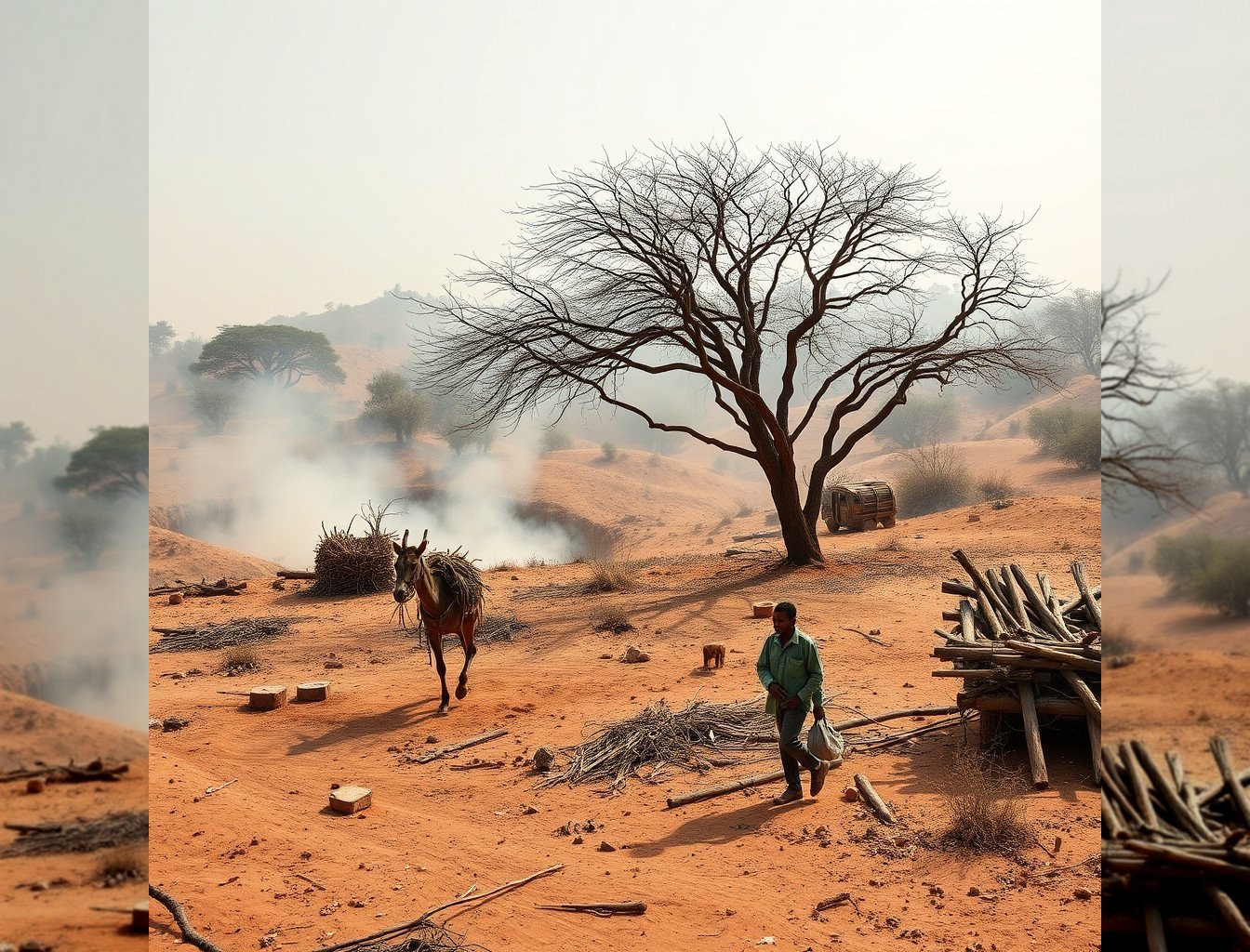
President Abdelmadjid Tebboune ordered the release of additional DZD 10 billion (USD 74 million) on 12 September to accelerate recovery in Kabylie. The funds add to DZD 12 billion (USD 89 million) already disbursed in August.
Business implications: Construction and civil engineering firms with local partnerships may bid for rehabilitation tenders. Timber and agriculture suppliers could see demand spikes in reforestation projects.
Agricultural diplomacy: Algeria shares irrigation expertise
Mauritanian authorities requested Algerian technical support to rehabilitate the Gorgol River irrigation network, covering 12,000 hectares, with funding from the Arab Bank for Economic Development in Africa (BADEA).
Business implications: Algerian irrigation equipment manufacturers (e.g., local firm Irrigation Algeria, or IAL) may secure export contracts. Mauritania’s tender documents are expected by Q4 2024.
Energy transition: Eni and Sonatrach expand emissions projects
Sonatrach’s 2024-2028 investment plan allocates USD 4.5 billion to decarbonization, including USD 1.8 billion for renewables (solar and wind).
Business implications: Foreign firms supplying methane monitoring tech (e.g., GHGSat, Baker Hughes) may partner with Algerian subcontractors. Local engineering companies could bid for on-site installations.
Domestic politics: record-low turnout in legislative polls
The Interior Ministry reported a 28% turnout in rural areas versus 10% in urban wilayas (Algiers: 8%, Oran: 9%). The High Independent Authority for Election Monitoring (HCE) recorded 1.2 million invalid ballots.
Business implications: No immediate impact on regulations, but foreign investors may reassess political risk in a fragmented parliament.
Climate infrastructure: the Green Dam legacy
Business opportunities: Forestry management contracts are tendered annually; next round expected Q1 2025.
Civil society: independent unions gain traction
SNAPSS secured a meeting with the Minister of Health on 5 September to discuss salary parity and staff shortages. The union cited a 20% vacancy rate in public hospitals.
Business implications: Firms hiring health and education staff may face union-negotiated wage floors. Local HR firms should monitor collective bargaining agreements.
Diaspora identity: Amazigh activism resurfaces
Rachid Raha, AWC president, stated the movement seeks “institutional partnerships” with the Union of the Arab Maghreb (UMA).
Business implications: Cultural tourism initiatives (e.g., Kabylie trekking, Tassili n’Ajjer tours) may expand. Local publishers of Amazigh-language content could see increased demand.
Sports integrity: Algeria joins IOC-INTERPOL alliance
The FAF allocated DZD 200 million (USD 1.5 million) for integrity programs in 2024.
Business implications: Sports marketing firms may bid for integrity-related contracts. Sponsors of local clubs (e.g., JS Kabylie, CR Belouizdad) should expect stricter compliance checks.
Cinema sector: documentary festival disrupted by COVID-19
Business implications: Film production houses may face delays in securing shooting permits. Local venues (e.g., Cinémathèque d’Alger) could see reduced bookings.
Key takeaway for entrepreneurs
Algeria’s Sahel pivot may open new construction, logistics, and energy contracts for firms with regional experience. Wildfire recovery funds offer immediate opportunities in civil engineering and water infrastructure. Firms in irrigation, decarbonization, and sports integrity should prepare for tenders in Q4 2024. Unionization in health and education sectors could raise labor costs for foreign-invested projects.
Sources
- APS English
- Al Jazeera
- DW.com
- FOX4KC.com
- The Times of India
- Arab Reform Initiative
💡 Starting a business in Algeria? GlobalStart guides you step by step: procedures, real costs, company forms (SARL, EURL, SPA) and CNRC registration.