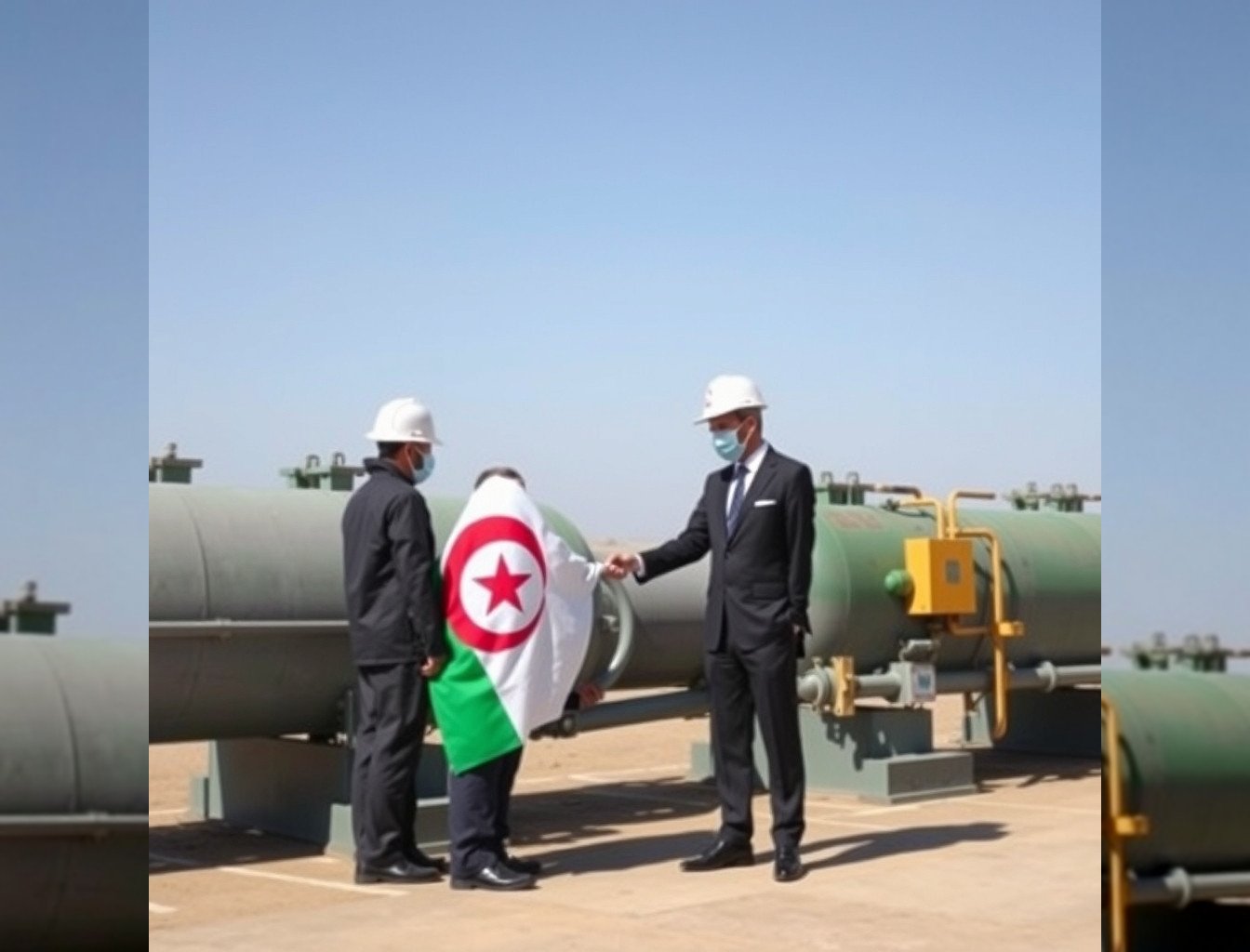
Kola Karim’s Arkad recently signed a $1 billion deal to anchor Algeria’s gas export surge, a move that signals a new chapter in South-South energy cooperation. For Algerian entrepreneurs and the diaspora, this agreement—alongside other developments like the Trans-Saharan Gas Pipeline and expanded talks with African partners—opens doors to investment, partnerships, and new markets. But the scale of these changes also demands strategic thinking from local business founders who want to position themselves in a shifting energy landscape.
The Arkad deal, worth $1 billion, is more than a contract; it is a bridge between Algeria’s state-backed energy sector and private investors targeting African growth. According to The Africa Report, Arkad—led by Nigerian businessman Kola Karim—will play a key role in expanding Algeria’s liquefied natural gas (LNG) exports. This follows a recent pattern: Algeria is not only boosting traditional energy exports but also diversifying into manufactured goods, such as air conditioners, with one of Africa’s largest factories securing a 250,000-unit order for Europe.
At the heart of this shift is SONATRACH, Algeria’s national oil and gas company, which has long dominated the energy sector. The $1 billion Arkad deal involves gas processing and export infrastructure, signaling a willingness to partner with foreign investors to meet rising global demand. This comes as Europe looks to diversify away from Russian gas—a trend highlighted by recent consultations between Algeria and nine African countries, aimed at strengthening trade ties.
One of the most ambitious projects under discussion is the Trans-Saharan Gas Pipeline, a proposed 4,128-kilometer pipeline that would connect Nigeria’s gas fields to Algeria’s export terminals via Niger. According to France 24, this project could reshape world energy markets by allowing African gas to reach Europe faster and more efficiently. For Algerian entrepreneurs, this pipeline represents a potential boom in logistics, engineering, and ancillary services. Local firms specializing in pipeline maintenance, safety compliance, and renewable energy integration could find new opportunities as Algeria positions itself as a regional energy hub.
Meanwhile, Algeria is also expanding into manufacturing. KG Mobility, a South Korean automaker, announced plans to build a complete knock-down (CKD) factory in Algeria to expand its African market reach. This facility will assemble vehicles locally, leveraging Algeria’s strategic location and growing consumer base. According to Businesskorea, the CKD model reduces costs and allows for rapid market penetration. For Algerian entrepreneurs, this signals a growing trend: foreign manufacturers are choosing Algeria as a base to serve wider African markets, creating opportunities in supply chain management, distribution, and after-sales services.
Another critical development is the Western Mining Railway, described by AL24 News as a strategic hub connecting Algeria to African markets. This railway line, if completed, will facilitate the transport of minerals, goods, and energy products across the continent, reducing transit times and costs. Algerian logistics firms, freight forwarders, and mining support services could benefit significantly from this infrastructure. Entrepreneurs in Oran, Bechar, and Tlemcen—cities along potential routes—should assess how to integrate into this new logistics network.
For the Algerian diaspora, these changes present both challenges and opportunities. Many diaspora entrepreneurs have built successful ventures in Europe, North America, or the Gulf, often in sectors like energy, construction, or technology. With Algeria’s economy diversifying, some may consider returning or investing remotely. The Arkad deal, for instance, shows that Algeria is open to foreign expertise and capital, particularly from African and Arab partners. Diaspora investors with experience in energy, manufacturing, or infrastructure could play a catalytic role by partnering with local firms or launching joint ventures.
However, doing business in Algeria’s evolving energy and industrial sectors requires navigating regulatory and market complexities. SONATRACH remains the dominant player in energy, and while partnerships are encouraged, foreign investors must align with national priorities. Similarly, infrastructure projects like the Trans-Saharan Gas Pipeline and the Western Mining Railway depend on intergovernmental agreements, which can experience delays. Entrepreneurs should conduct thorough due diligence and consider forming consortiums to share risks and expertise.
Small and medium-sized enterprises (SMEs) in Algeria also stand to gain. Local manufacturers of industrial equipment, engineering services, and renewable energy solutions could supply components for energy projects or benefit from increased demand for manufactured goods. For example, Algeria’s push into air conditioning exports suggests growing domestic manufacturing capacity that could be scaled up with government support.
The current wave of South-South cooperation is not just about raw materials; it is about building integrated value chains. Algeria’s ability to attract investment, develop infrastructure, and diversify exports will determine whether its entrepreneurs can capture long-term benefits. Those who act early—by partnering with foreign firms, investing in skills, or positioning themselves in logistics and energy services—stand to gain the most.
Key takeaway for entrepreneurs: Algeria’s energy and industrial expansion through South-South cooperation creates opportunities for local SMEs in supply chains, logistics, and manufacturing. Diaspora investors with expertise in energy, infrastructure, or manufacturing can explore partnerships with Algerian firms or joint ventures. Early engagement with infrastructure projects and energy partnerships offers competitive advantages as Algeria positions itself as a regional hub.
Sources
- Business Insider Africa
- France 24
- AL24 News
- The Africa Report
- Businesskorea
💡 Starting a business in Algeria? GlobalStart guides you step by step: procedures, real costs, company forms (SARL, EURL, SPA) and CNRC registration.