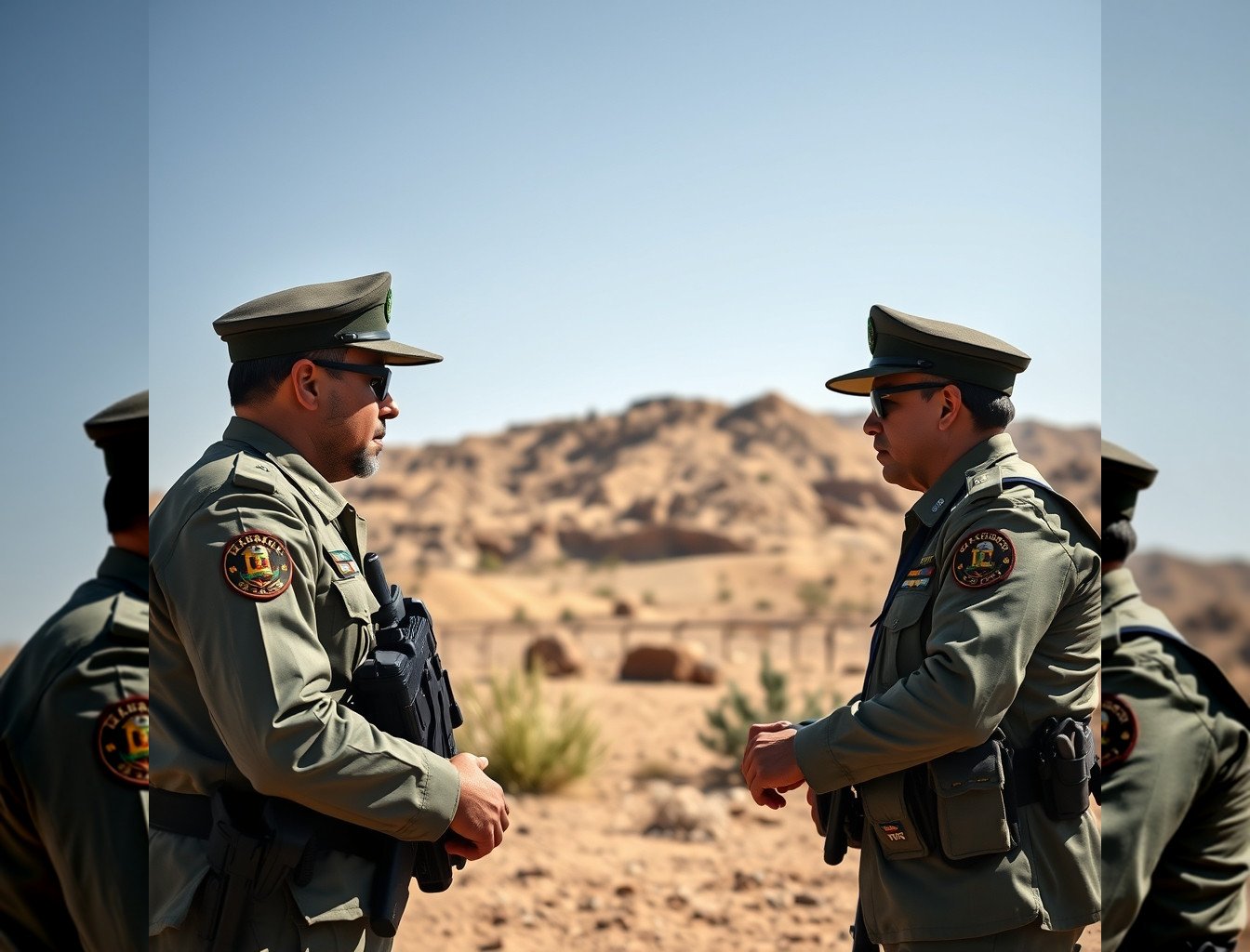
Libya, Algeria and Tunisia held recent border security talks in Tripoli according to The Libya Observer. The meeting, hosted in the Libyan capital, brought together high-level delegations from the three Maghreb countries to address shared challenges along their common frontiers.
The Libya Observer reported that the discussions covered border management, cross-border crime prevention and coordination against smuggling networks operating across the porous desert borders. The delegations included security officials and representatives from relevant ministries, reflecting the seriousness with which the three governments view these issues.
For Algerian entrepreneurs engaged in cross-border trade between Algeria and its neighbors, the outcome of these talks carries immediate practical implications. The focus on smuggling networks highlights areas where border enforcement may tighten, particularly in regions like Tindouf and Illizi where informal trade flows are significant. Entrepreneurs relying on expedited cross-border logistics should prepare for potential delays or increased inspection requirements.
The inclusion of Tunisia in these talks underscores the regional scope of the security challenge. Trade corridors linking Algeria to Tunisia via the south have gained importance for Algerian exporters seeking Mediterranean access, especially as alternative routes face delays. Any tightening of border controls could affect shipment timelines and costs for businesses operating in these supply chains.
Security officials from the three countries emphasized the need for shared intelligence and joint patrols to combat trafficking of goods, fuel and weapons. For Algerian business founders who operate near the southern borders, this cooperation may lead to more frequent inspections or new administrative requirements. Those involved in energy logistics, for example, should expect closer monitoring of fuel transport across borders.
The talks in Tripoli follow earlier regional initiatives aimed at stabilizing border areas. Algeria has previously hosted similar meetings and participated in regional task forces addressing transnational crime. The continuity of these efforts suggests that border security will remain a policy priority for Algiers, with potential ripple effects on trade facilitation.
Entrepreneurs in Algeria’s informal economy, which accounts for a significant share of cross-border commerce, may face greater scrutiny. While formal businesses might adapt by adjusting supply chains or seeking alternative routes, informal traders could experience disruptions to their operations. The Algerian government has in recent years sought to formalize parts of the informal sector, and border security measures could accelerate this trend.
The Algerian diaspora, particularly those involved in import-export activities, should monitor these developments closely. Remittances and family-linked trade often flow through informal networks, and increased scrutiny could impact money transfer channels or the speed of goods movement. Diaspora entrepreneurs with ventures in Algeria may need to update compliance procedures or invest in additional documentation to align with new border protocols.
Security cooperation between Algiers, Tripoli and Tunis is not new, but the recent talks signal an intensification of efforts. For Algerian business founders, this means anticipating a more regulated cross-border environment. Those who proactively adjust their operations—through formalization, compliance upgrades or diversification of trade routes—may find themselves better positioned to navigate the changing landscape.
Key takeaway for entrepreneurs:
Border security talks in Tripoli may lead to tighter enforcement between Algeria, Libya and Tunisia. Entrepreneurs in cross-border trade should prepare for possible delays, increased inspections and formalization requirements. The Algerian diaspora involved in imports, exports or remittances should review current practices to ensure compliance with new measures.
Sources
- The Libya Observer
💡 Starting a business in Algeria? GlobalStart guides you step by step: procedures, real costs, company forms (SARL, EURL, SPA) and CNRC registration.