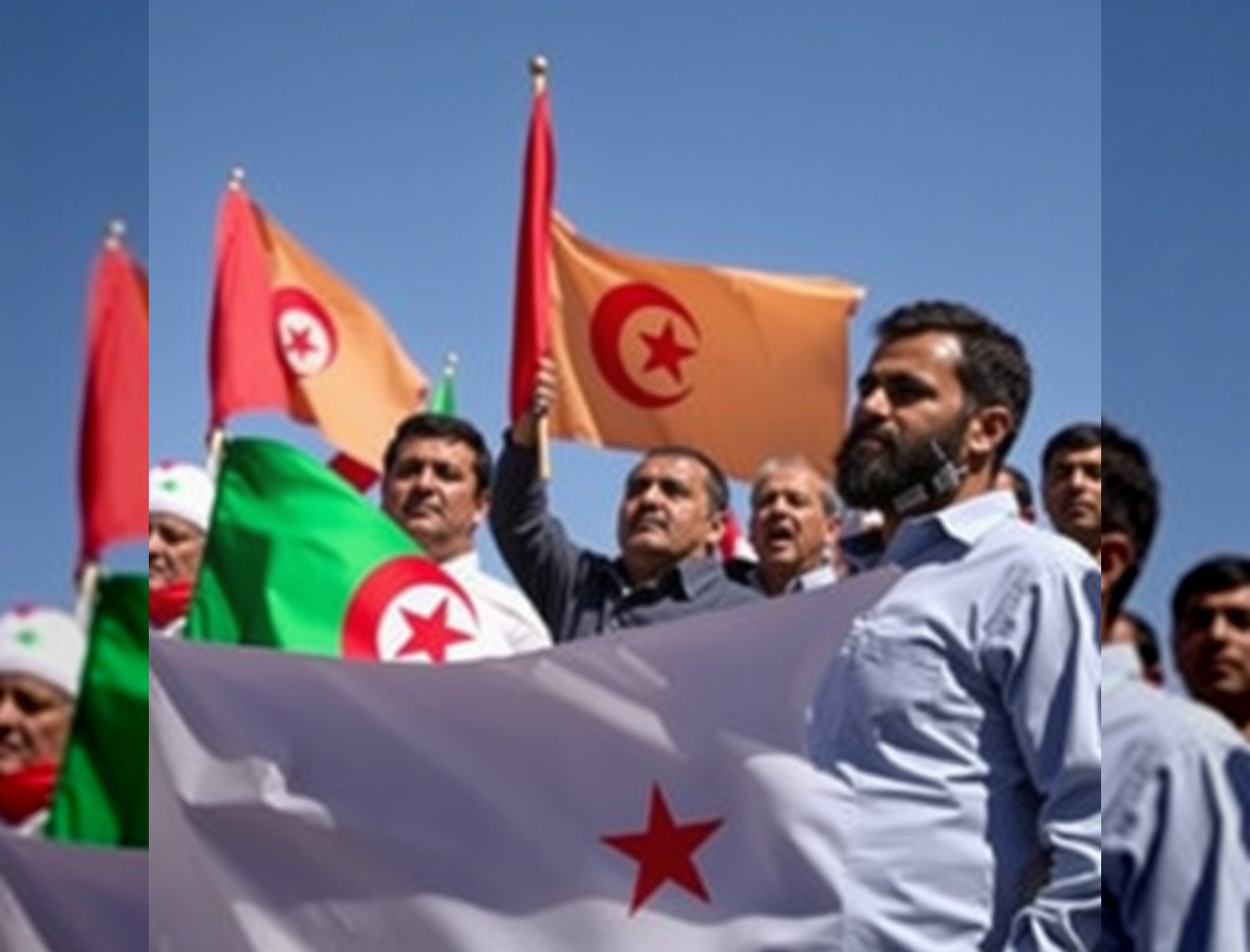
Independent unions in Algeria’s health and education sectors are pressing for autonomy from state-linked bodies, a move that echoes broader labor disputes in North Africa. According to Arab Reform Initiative, labor groups like the Independent National Trade Union of Public Administration (SNAPAP) and the Free Independent Trade Union of Education (SIL) have organized strikes and protests demanding recognition. These actions follow years of tensions over wages, working conditions and union leadership, with recent protests in cities such as Algiers, Oran and Constantine.
The health sector has seen particularly strong mobilization. In September 2024, hospital staff in Algiers protested against delays in wage payments and shortages of medical supplies. According to Arab Reform Initiative, doctors and nurses affiliated with SNAPAP called for the resignation of the Minister of Health, accusing the government of mismanaging public hospitals. Similar strikes occurred in Oran and Constantine, where union leaders demanded better benefits and protection for medical workers.
Education is another flashpoint. Teachers belonging to SIL have staged walkouts over unpaid bonuses and overcrowded classrooms. In October 2024, high school teachers in Algiers demanded the implementation of a long-delayed salary increase promised under the 2020 social contract. According to Arab Reform Initiative, the union accused the Ministry of National Education of prioritizing administrative control over educational quality.
These labor actions highlight a growing divide between state-affiliated unions—such as the General Union of Algerian Workers (UGTA)—and independent unions pushing for democratic representation. UGTA, historically aligned with the ruling National Liberation Front (FLN), has seen its influence wane as younger workers seek alternatives. Independent unions argue that UGTA no longer reflects their interests, especially after recent economic pressures worsened living standards.
The economic backdrop is critical. Algeria’s public sector, which employs over 60 percent of the workforce, faces mounting fiscal constraints following a decline in hydrocarbon revenues. According to Arab Reform Initiative, public wages account for nearly 60 percent of the national budget, leaving little room for increases. Independent unions argue that their demands—such as indexing wages to inflation—are unsustainable under current conditions. Yet they insist that the state must address workers’ grievances to prevent further disruptions in essential services.
For entrepreneurs and business founders, these developments signal instability in key service sectors. Strikes in health and education can disrupt supply chains, delay administrative processes and affect workforce productivity. Small and medium-sized enterprises (SMEs) that rely on public sector contracts or local labor pools may face delays or increased operational costs. Meanwhile, the diaspora community could play a role in mediating between unions and the government, given their financial and professional ties to Algeria.
Independent unions continue to demand legal recognition, which the government has so far withheld. According to Arab Reform Initiative, authorities have responded with arrests and crackdowns, further straining relations. Yet the persistence of strikes suggests that worker discontent is unlikely to fade.
Key takeaway for entrepreneurs: Strikes in Algeria’s health and education sectors risk disrupting business operations, especially for firms dependent on public services or local talent. The rise of independent unions could reshape labor relations, making it prudent for businesses to monitor wage negotiations and service interruptions. Entrepreneurs with ties to the Algerian diaspora may help bridge gaps between workers and policymakers.
Sources
- Arab Reform Initiative
💡 Starting a business in Algeria? GlobalStart guides you step by step: procedures, real costs, company forms (SARL, EURL, SPA) and CNRC registration.