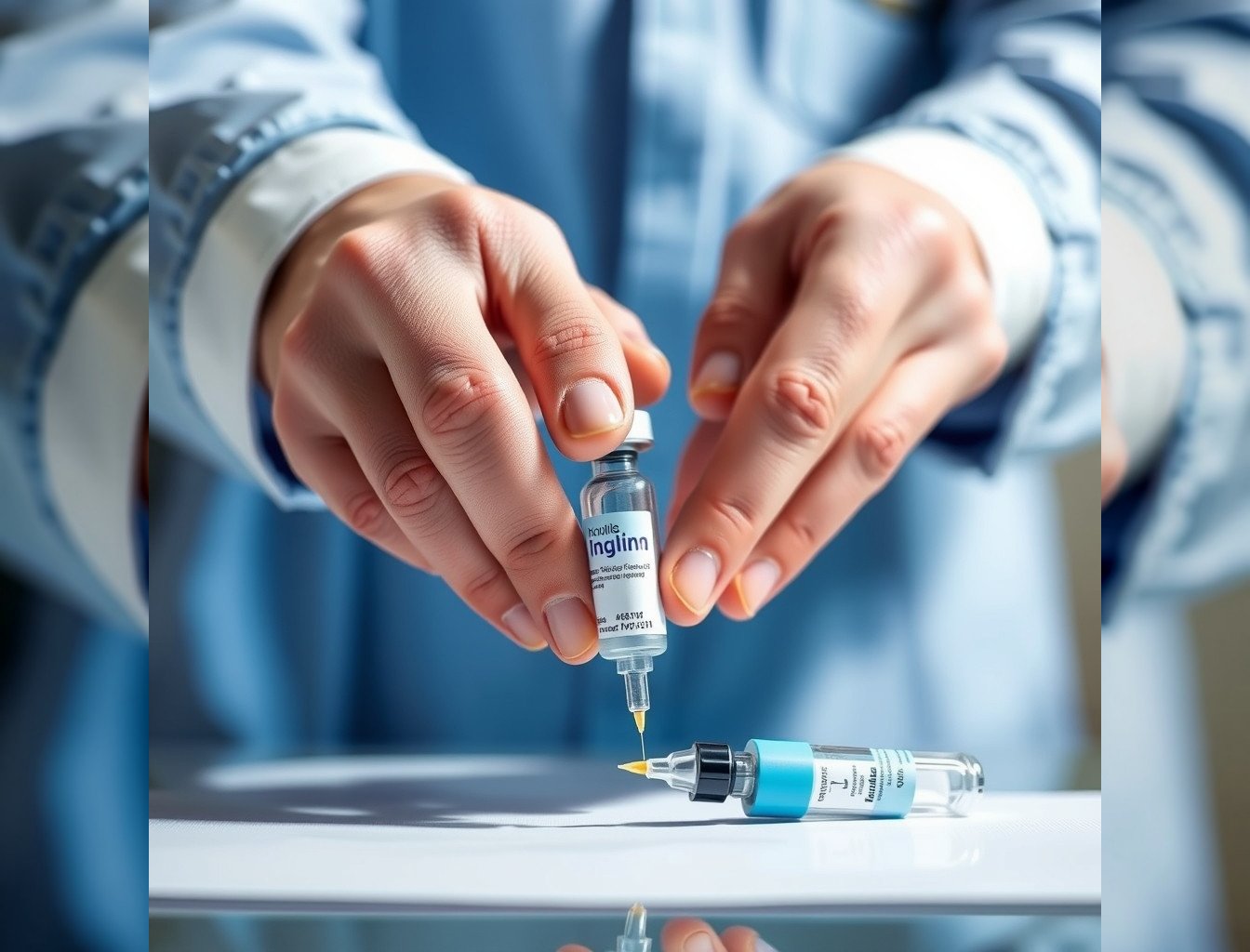
Algeria’s Ministry of Pharmaceutical Industry has signed a cooperation agreement with Danish pharmaceutical giant Novo Nordisk to increase domestic insulin production, a move that could reshape the country’s diabetes care market and create new opportunities for local entrepreneurs and the Algerian diaspora.
The agreement, signed this week in Algiers, outlines plans to establish Algeria’s first dedicated insulin manufacturing facility. According to a statement from the Ministry of Pharmaceutical Industry, the project aims to reduce Algeria’s dependence on imported insulin and improve access for the country’s estimated 2.5 million people living with diabetes.
Novo Nordisk, the world’s leading insulin producer, will provide technical expertise and technology transfer under the deal, while the Algerian government will facilitate land allocation, regulatory support, and potential financing through public-private partnerships. The Danish company currently supplies over 50 percent of the global insulin market and has been expanding aggressively in North Africa, where demand for diabetes treatments is rising due to lifestyle changes and population aging.
“This collaboration represents a strategic shift in Algeria’s health sovereignty,” said Dr. Samir Bechar, Algeria’s Minister of Pharmaceutical Industry, speaking to local press. “By building local production capacity, we aim to cut import costs, ensure stable supply, and create skilled jobs in the pharmaceutical sector.”
Economic analysts estimate Algeria currently imports more than 90 percent of its insulin needs, spending over $150 million annually on diabetes medications. With domestic production expected to begin in 2027, the government projects a gradual reduction in import dependency, potentially saving hundreds of millions of dollars over the next decade.
For local entrepreneurs, particularly in pharmaceuticals, medical devices, and logistics, the deal signals a potential opening in a market long dominated by imports and public-sector procurement. Algerian pharmacists and biotech startups may now explore partnerships with Novo Nordisk or position themselves as suppliers of raw materials, packaging, or distribution services.
The Algerian diaspora, many of whom work in pharmaceuticals, healthcare, and finance abroad, could play a pivotal role in bridging skills and investment gaps. “The diaspora can help with technology transfer, funding, or regulatory navigation,” said Amina Touati, an Algerian pharmacist based in Montreal who follows North African health markets. “This deal could be a catalyst for more diaspora-led initiatives in Algeria’s health sector.”
Industry observers caution, however, that success will depend on streamlined regulatory processes and sustained investment in workforce training. Algeria’s pharmaceutical manufacturing base remains underdeveloped compared to Morocco or Tunisia, and local companies may struggle to meet international quality standards without significant upskilling.
The agreement also reflects broader efforts by President Abdelmadjid Tebboune’s administration to revive local industry as part of Algeria’s 2030 economic diversification plan. The plan includes incentives for foreign investors in priority sectors such as pharmaceuticals, renewable energy, and automotive components.
Novo Nordisk has not disclosed the size of its investment, but company executives have said the project will be structured as a joint venture with Algerian public or private partners. The company recently opened a regional office in Algiers to coordinate its North Africa strategy.
Local pharmacists welcome the initiative but emphasize the need for price controls and transparent procurement. “Patients need affordable, high-quality insulin,” said Dr. Yacine Benali, president of the Algerian Association of Pharmacists. “Local production must be accessible and not just a way to enrich middlemen.”
With diabetes prevalence in Algeria rising by about 4 percent annually, according to the World Health Organization, the timing of the deal aligns with growing public health priorities. The government has also launched a national diabetes prevention program, aiming to reduce complications through early screening and education.
Key takeaway for entrepreneurs
The Novo Nordisk deal opens a pathway for Algerian and diaspora entrepreneurs to enter the pharmaceutical supply chain, from raw materials to distribution. Local firms should prepare for stricter quality standards and consider partnerships with international players. The government’s push for local insulin production could extend to other high-demand drugs, creating new market opportunities in the coming years.
Sources
- Muslim Network TV
💡 Starting a business in Algeria? GlobalStart guides you step by step: procedures, real costs, company forms (SARL, EURL, SPA) and CNRC registration.