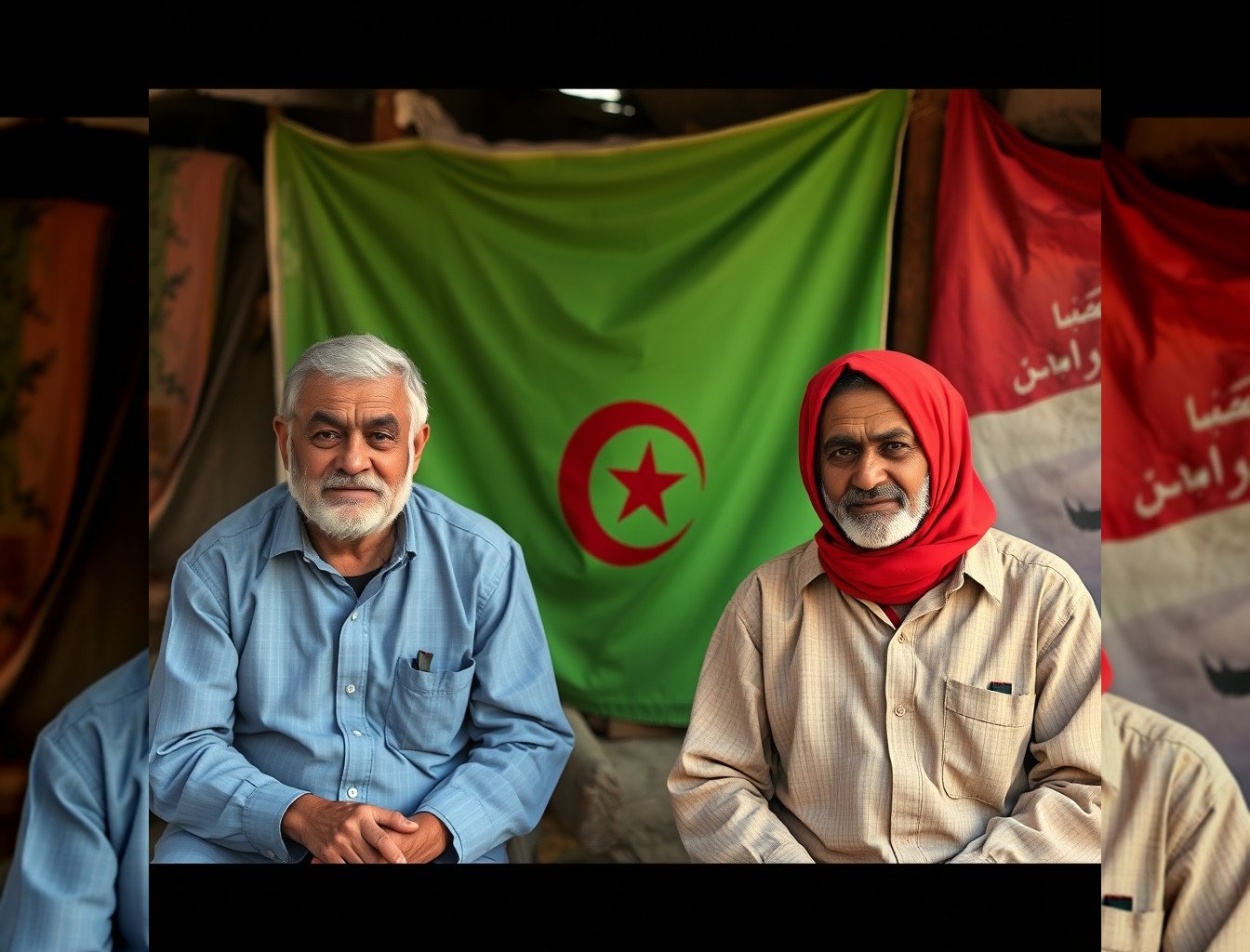
Algeria’s wildfires have left behind a trail of destruction—but also a blueprint for resilience. This summer, flames ravaged Jijel, Bejaia, Skikda, and Guelma, destroying crops, infrastructure, and livelihoods. While the government has mobilized relief efforts, the economic fallout raises urgent questions: How can local entrepreneurs, startups, and the Algerian diaspora capitalize on the recovery? The answer lies in three key areas: rebuilding supply chains, tapping into diaspora networks, and seizing green energy opportunities—all while navigating Algeria’s complex regulatory landscape.
A $100 Million Blow to Agriculture—and a Chance for Agri-Tech Startups
For entrepreneurs, this is a wake-up call. Small-scale farmers lack insurance, and traditional lending remains risky. Yet, the crisis exposes a gap: smart agriculture solutions. Startups specializing in drought-resistant crops, drone-based fire monitoring, or blockchain for supply chain transparency could fill this void. Diaspora investors, particularly in France and Canada, are already eyeing opportunities. In 2025, Algerian expats sent $3.2 billion in remittances—funds that could be redirected into agri-tech ventures if incentives align.
The government’s “DAAM” initiative in Jijel, launched by the Ministry of Youth, offers a model: youth-led volunteer programs could be expanded into cooperative farming hubs, blending traditional knowledge with modern tech. Entrepreneurs who partner with local authorities to train farmers in fire-resistant farming techniques or vertical farming stand to gain first-mover advantage.
Infrastructure Collapse Creates Demand for Local Repair & Reconstruction
This is a goldmine for SMEs in construction, renewable energy, and logistics. Entrepreneurs with certifications in post-disaster infrastructure repair—or those who can secure contracts through public-private partnerships (PPPs)—will find demand surging. The Ministry of Interior has already fast-tracked permits for emergency repair firms, signaling a shift toward local over foreign contractors.
For diaspora professionals, this is a chance to return with specialized skills. Algerian engineers in Europe, for instance, could lead modular housing projects—a growing need as 30,000+ families were displaced. The National Solidarity Ministry has pledged psychosocial support, but long-term housing solutions remain scarce. Modular construction startups with low-cost, rapid-build models could partner with municipalities to fill this gap.
Green Energy Boom: Algeria’s Hidden Opportunity
Entrepreneurs should take note: Algeria’s solar potential is among the highest in Africa, yet only 1% of energy comes from renewables. The Skikda wildfires destroyed off-grid solar installations, creating demand for resilient microgrids. Startups that develop portable solar kits for rural areas or battery storage for fire-prone zones could secure government tenders—especially if they align with the 2026-2030 Energy Transition Plan.
The Algerian diaspora holds another advantage: access to European funding. The EU’s Green Deal offers grants for climate-adaptive infrastructure, and Algerian entrepreneurs with EU residency can leverage these programs. A French-Algerian renewable energy consortium, for example, could bid for Skikda’s post-fire reconstruction, combining local labor with European tech.
Diaspora Money Flows: How to Channel Remittances into Business
Entrepreneurs can change this by creating diaspora-backed investment funds. Platforms like “Algeria Rebuild” (a hypothetical but plausible model) could pool remittances into verified reconstruction projects, from fire-resistant vineyards in Jijel to solar-powered cooperatives in Bejaia. The Central Bank of Algeria (BEA) has shown openness to financial innovation—if entrepreneurs propose transparent, high-impact ventures.
A case in point: Moroccan diaspora groups successfully channeled remittances into post-earthquake tourism recovery in 2023. Algerian entrepreneurs could replicate this by targeting diaspora professionals—doctors, engineers, and IT experts—who want to invest but lack local connections.
Regulatory Hurdles: How to Navigate Algeria’s Bureaucracy
Entrepreneurs should:
1. Partner with local governments (e.g., Jijel’s DAAM initiative) to bypass delays.
2. Leverage diaspora networks to lobby for simplified visas for skilled returnees.
3. Focus on sectors with existing incentives: agriculture, renewables, and digital infrastructure (Algeria’s 5G rollout is lagging, creating demand for local tech firms).
The Ministry of Commerce has also eased import restrictions for reconstruction materials—meaning entrepreneurs with logistics expertise can import steel, solar panels, or farming equipment at lower costs.
Key Takeaway for Entrepreneurs
Sources
💡 Starting a business in Algeria? GlobalStart guides you step by step: procedures, real costs, company forms (SARL, EURL, SPA) and CNRC registration.