80mm of Rain in Hours: How Tunisia’s Storm Tests Regional Supply Chains
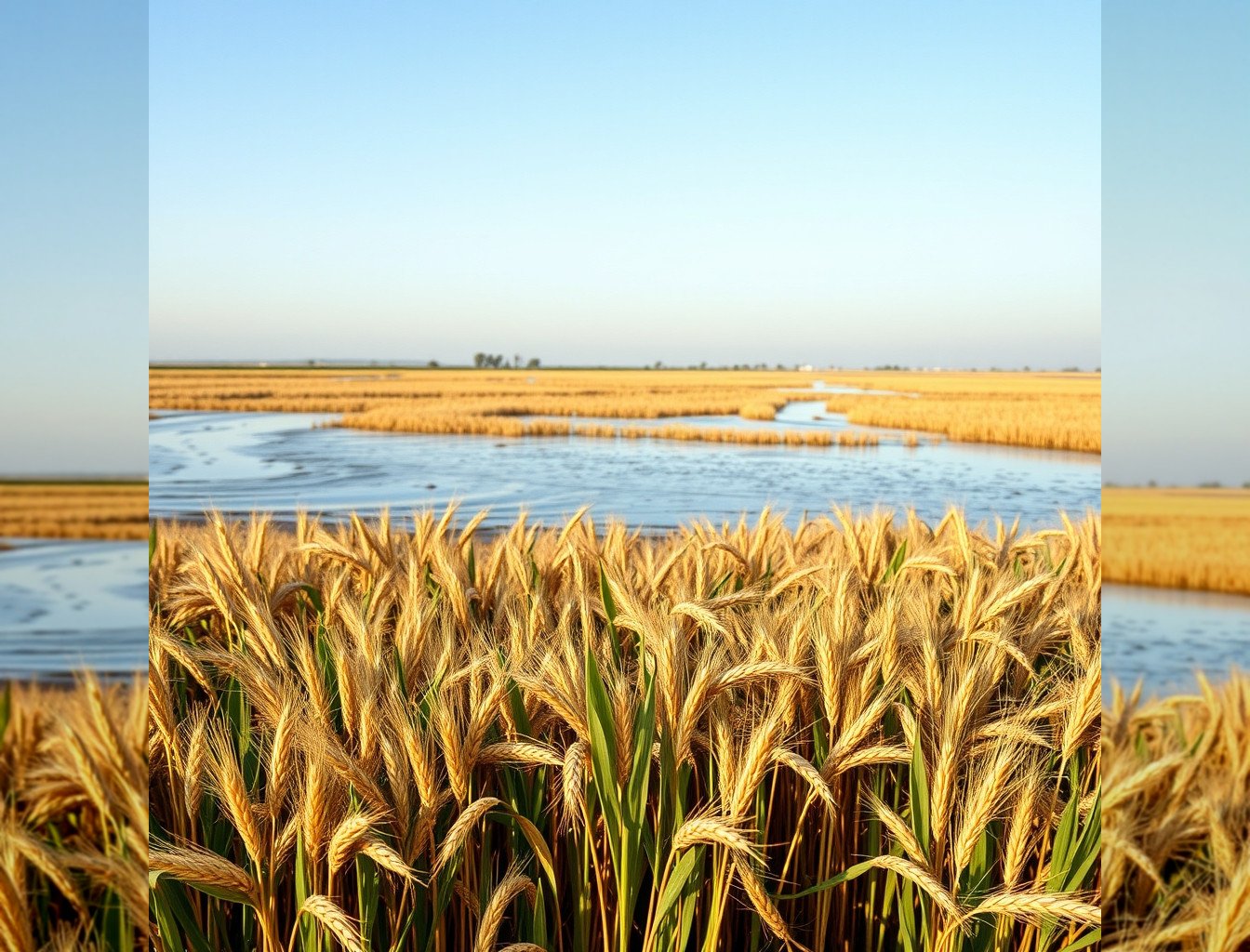
For Algerian entrepreneurs and exporters, this storm is more than weather. Tunisia’s cereal and livestock sectors—key suppliers to Algeria—face immediate disruptions. Recent droughts have already slashed Tunisia’s wheat production by 30% this year, pushing imports higher. Now, sudden flooding risks damaging storage silos, irrigation networks, and livestock feed stocks in areas like Béja and Zaghouan, which produce 15% of Tunisia’s barley and fodder.
Algeria, which imports 20% of its cereal needs, could see price spikes and supply gaps if Tunisian ports or roads are blocked. The Port of Radès, a critical transit hub for Algerian importers, sits in the storm’s path. Entrepreneurs relying on Tunisian dates, olive oil, or dairy may also face delays or quality losses if cold chains are compromised.
Flash Floods vs. Drought: A Climate Paradox with Algerian Consequences
For Algerian farmers and agribusinesses, this dual threat—drought followed by deluge—mirrors Algeria’s own struggles. In 2023, Algeria’s cereal harvest dropped by 22% due to water shortages, forcing the government to increase imports from Ukraine and Russia. If Tunisia’s floods destroy crops or contaminate water sources, Algerian buyers may face higher costs or shorter supplies, squeezing margins for feed mills, bakeries, and livestock traders.
The Algerian diaspora—especially in France, Canada, and Italy—also stands to lose. Many run import-export firms or family-run businesses linking North African supply chains to European markets. A Tunisian supply shock could disrupt their inventory, forcing last-minute searches for alternatives in Morocco or Egypt, where prices may be even higher.
Ports, Roads, and Prices: The Immediate Business Fallout
For SMEs and startups, the risks are clearer:
– Perishable goods (dairy, fresh produce) may spoil if cold storage fails.
– Feed prices could surge if Tunisian barley or alfalfa supplies are cut.
– Insurance costs may rise as underwriters factor in climate volatility.
The Algerian Central Bank has recently warned of inflation pressures in food staples. If Tunisia’s floods push up import costs further, Algerian businesses—from bakery chains to poultry farms—may need to pass higher prices to consumers, risking profit margins and demand.
Sources
💡 Starting a business in Algeria? GlobalStart guides you step by step: procedures, real costs, company forms (SARL, EURL, SPA) and CNRC registration.