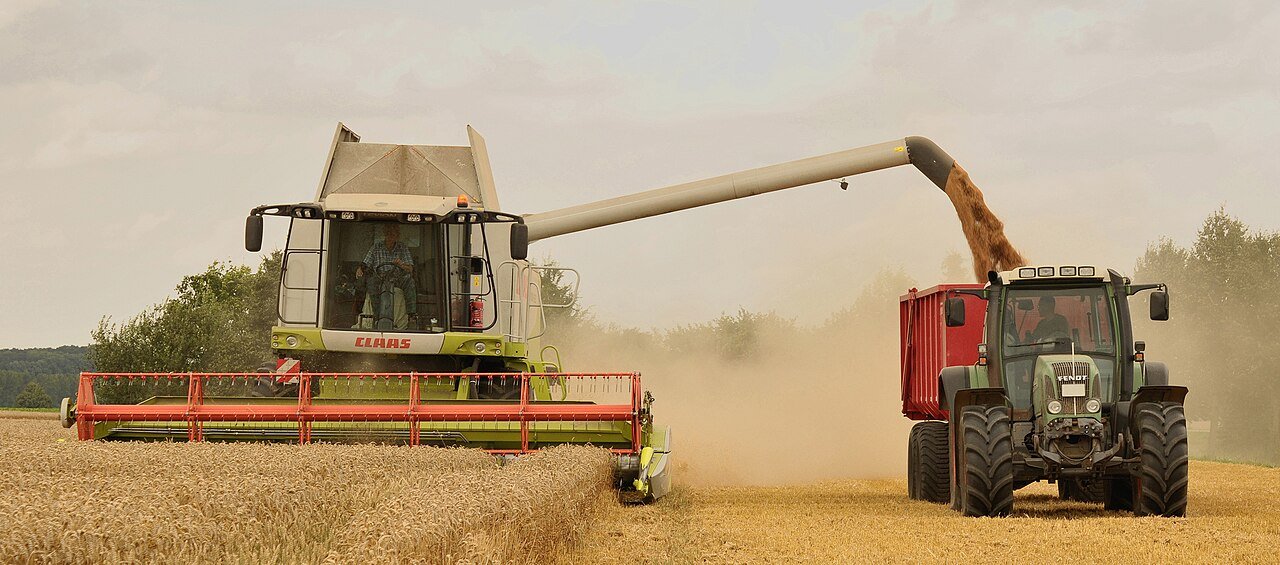
Algeria will not meet its 2024 target to reduce food imports, according to Al-Monitor, as drought conditions worsen across the country. The Ministry of Agriculture, Rural Development and Fisheries had set a goal to cut food imports by 10% this year, but persistent water shortages and declining cereal yields have forced authorities to revise expectations. The shortfall highlights structural vulnerabilities in Algeria’s agricultural sector and could reshape business opportunities for local entrepreneurs and the Algerian diaspora.
The drought has hit cereal production hardest. Algeria’s 2023-2024 cereal harvest is projected to fall to 2.5 million tonnes, down from 3.4 million tonnes the previous year, according to the Ministry of Agriculture. Wheat, a staple crop, accounts for the bulk of the decline. The country typically imports around 8 million tonnes of cereals annually, with wheat making up 60% of those purchases. The failure to reduce imports means Algeria will continue spending billions on foreign grain, diverting hard currency from other economic priorities.
For entrepreneurs, the missed target signals both risks and openings. Local agribusinesses that rely on imported raw materials—such as flour mills, pasta manufacturers, and livestock feed producers—face higher costs as global grain prices remain volatile. The Algerian dinar has weakened against the dollar, increasing the cost of imports. Businesses in food processing may need to adjust pricing or seek local alternatives to stay competitive.
At the same time, the drought has accelerated government efforts to modernise agriculture. The Ministry of Agriculture has recently launched initiatives to promote drought-resistant crops, drip irrigation, and hydroponic farming. Entrepreneurs with expertise in water-efficient technologies or seed development could find new markets. The government has also eased restrictions on foreign investment in agriculture, allowing 100% foreign ownership in certain projects, which could attract diaspora investors.
The Algerian diaspora, which sends over $2 billion in remittances annually, may see new investment opportunities in agri-tech. Many Algerians abroad have experience in precision farming, supply chain management, and food processing—sectors where Algeria needs expertise. The government’s push for food security could make agriculture a more attractive sector for diaspora capital, especially if regulatory barriers continue to ease.
Small farmers, however, face immediate challenges. Many lack access to irrigation infrastructure, leaving them vulnerable to climate shocks. The government has increased subsidies for drought-affected farmers, but delays in disbursements have left some struggling to plant or harvest. Entrepreneurs who can provide affordable financing, insurance, or logistics solutions for smallholders could fill a critical gap.
The broader economic impact is significant. Algeria’s food import bill reached $11 billion in 2023, according to the Bank of Algeria. Missing the 2024 reduction target means the country will continue to spend heavily on imports, straining foreign reserves. For businesses, this underscores the need for diversification. Companies that can reduce reliance on imported inputs—whether through local sourcing or innovation—will be better positioned to weather future shocks.
The government’s response has included short-term measures, such as increasing wheat reserves and negotiating long-term supply contracts with Russia and France. However, these steps do not address the underlying issue: Algeria’s agricultural sector remains highly dependent on rainfall. Without large-scale investment in irrigation and climate-resilient farming, the country will struggle to meet its food security goals.
For the diaspora, the missed target is a reminder of Algeria’s economic fragility. Many Algerians abroad invest in real estate or retail, but the agricultural sector could offer higher returns if reforms continue. The government’s recent moves to simplify business registration and offer tax incentives for agri-businesses may encourage more diaspora involvement.
Key takeaway for entrepreneurs
Algeria’s failure to cut food imports in 2024 increases costs for food processors and farmers but opens opportunities in agri-tech and local sourcing. The drought highlights the need for water-efficient solutions, creating demand for irrigation systems, drought-resistant seeds, and supply chain innovations. Diaspora investors with expertise in agriculture or food processing may find new entry points as the government seeks to modernise the sector.
Sources
- Al-Monitor
💡 Starting a business in Algeria? GlobalStart guides you step by step: procedures, real costs, company forms (SARL, EURL, SPA) and CNRC registration.