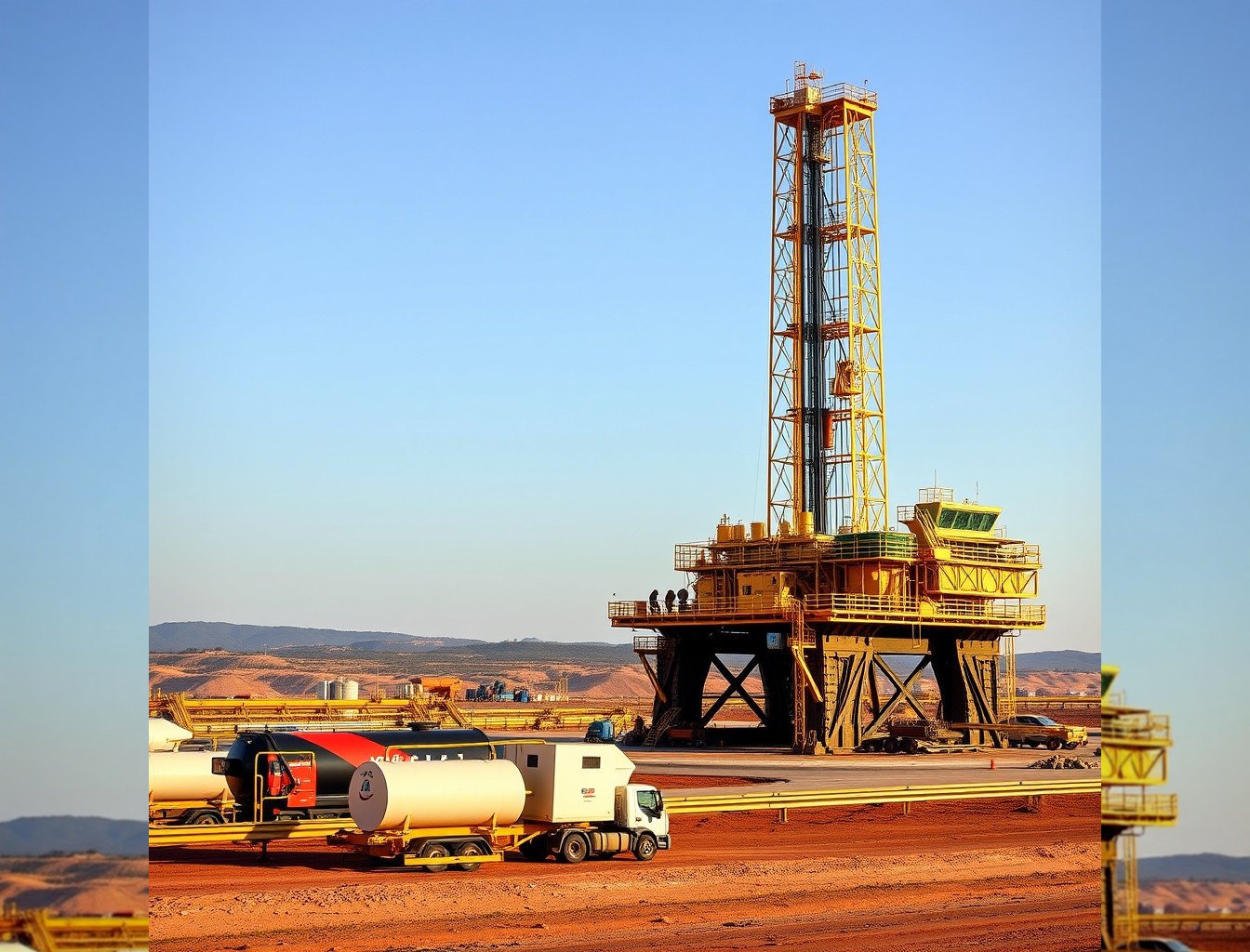
Algeria’s state-owned energy giant Sonatrach has been ordered to pay $290 million to a British energy firm, a ruling that sends ripples through the country’s hydrocarbons sector and its broader business environment. The decision, handed down in January 2026 by an international arbitration tribunal, stems from a dispute over a gas exploration contract that the British firm claims was unfairly terminated. According to reports from The National and Reuters, the case centers on a 2018 agreement that granted the British company rights to explore a block in Algeria’s prolific Saharan basin. Sonatrach, which controls nearly all of Algeria’s oil and gas production, argued that the firm failed to meet its contractual obligations, including drilling commitments. The tribunal, however, ruled that the termination was not justified under the terms of the deal, awarding the British firm compensation for lost investments and future earnings.
The ruling is one of the largest financial penalties ever imposed on Sonatrach, a company that generates over 90% of Algeria’s foreign currency earnings and accounts for roughly 20% of the country’s GDP. For entrepreneurs and foreign investors, the case underscores the risks of operating in Algeria’s energy sector, where contracts are often subject to political and regulatory shifts. Sonatrach, which has faced similar disputes in the past—including a $1.3 billion arbitration loss to Spanish firm Repsol in 2016—has historically relied on its dominant position to renegotiate or cancel deals when market conditions change. This latest ruling, however, signals that international arbitration bodies are increasingly willing to enforce contractual obligations, even against state-backed entities.
The financial impact of the $290 million payout is manageable for Sonatrach, which reported revenues of $50 billion in 2024, but the reputational cost could be higher. Algeria remains heavily dependent on hydrocarbons, with oil and gas exports accounting for 95% of its total export earnings. The country has been trying to attract foreign investment to develop its untapped shale gas reserves and expand renewable energy projects, but legal uncertainties have deterred some potential partners. The British firm’s victory may encourage other foreign companies to pursue arbitration claims, particularly those that have had contracts terminated or renegotiated under Algeria’s 2005 Hydrocarbons Law, which granted Sonatrach a mandatory 51% stake in all new projects.
For Algerian entrepreneurs, the ruling highlights the need for stronger legal protections in business dealings, particularly in sectors dominated by state-owned enterprises. Many local startups and SMEs struggle to secure fair contracts with government-linked entities, which often impose one-sided terms or delay payments. The Sonatrach case could serve as a precedent for private businesses to challenge unfair practices, though the path to enforcement remains difficult. The Algerian government has not yet commented on whether it will appeal the ruling, but any delay in payment could further strain relations with foreign investors.
The dispute also comes at a time when Algeria is seeking to diversify its economy beyond hydrocarbons, a goal outlined in President Abdelmadjid Tebboune’s 2020-2024 economic recovery plan. The plan calls for increased investment in agriculture, manufacturing, and digital services, but progress has been slow. Foreign direct investment (FDI) in non-energy sectors remains low, with most inflows still tied to oil and gas. The Sonatrach ruling could make it harder for Algeria to attract the capital needed for economic diversification, as investors may demand higher risk premiums or stricter contractual safeguards.
For the Algerian diaspora, particularly those in the UK and Europe, the case is a reminder of the opportunities—and pitfalls—of doing business in Algeria. Many diaspora entrepreneurs have returned to Algeria in recent years, drawn by government incentives and the potential of a growing consumer market. However, navigating the legal and regulatory landscape remains a challenge. The Sonatrach ruling may prompt some to seek legal advice before entering into contracts with state-owned companies, particularly in sectors where government intervention is common.
Key takeaway for entrepreneurs
The Sonatrach arbitration ruling signals that foreign investors are increasingly willing to challenge Algeria’s state-backed energy deals in court, which could lead to more predictable—but also more contentious—contract enforcement. For local entrepreneurs, the case underscores the importance of clear legal agreements, especially when partnering with government-linked entities. Those looking to enter Algeria’s energy sector should factor in potential arbitration risks, while businesses in other industries may find opportunities in the government’s push for economic diversification—provided they can navigate the regulatory hurdles.
Sources
- GIS Reports
- Daraj
- thenationalnews.com
- Wärtsilä
- African Export-Import Bank
💡 Starting a business in Algeria? GlobalStart guides you step by step: procedures, real costs, company forms (SARL, EURL, SPA) and CNRC registration.