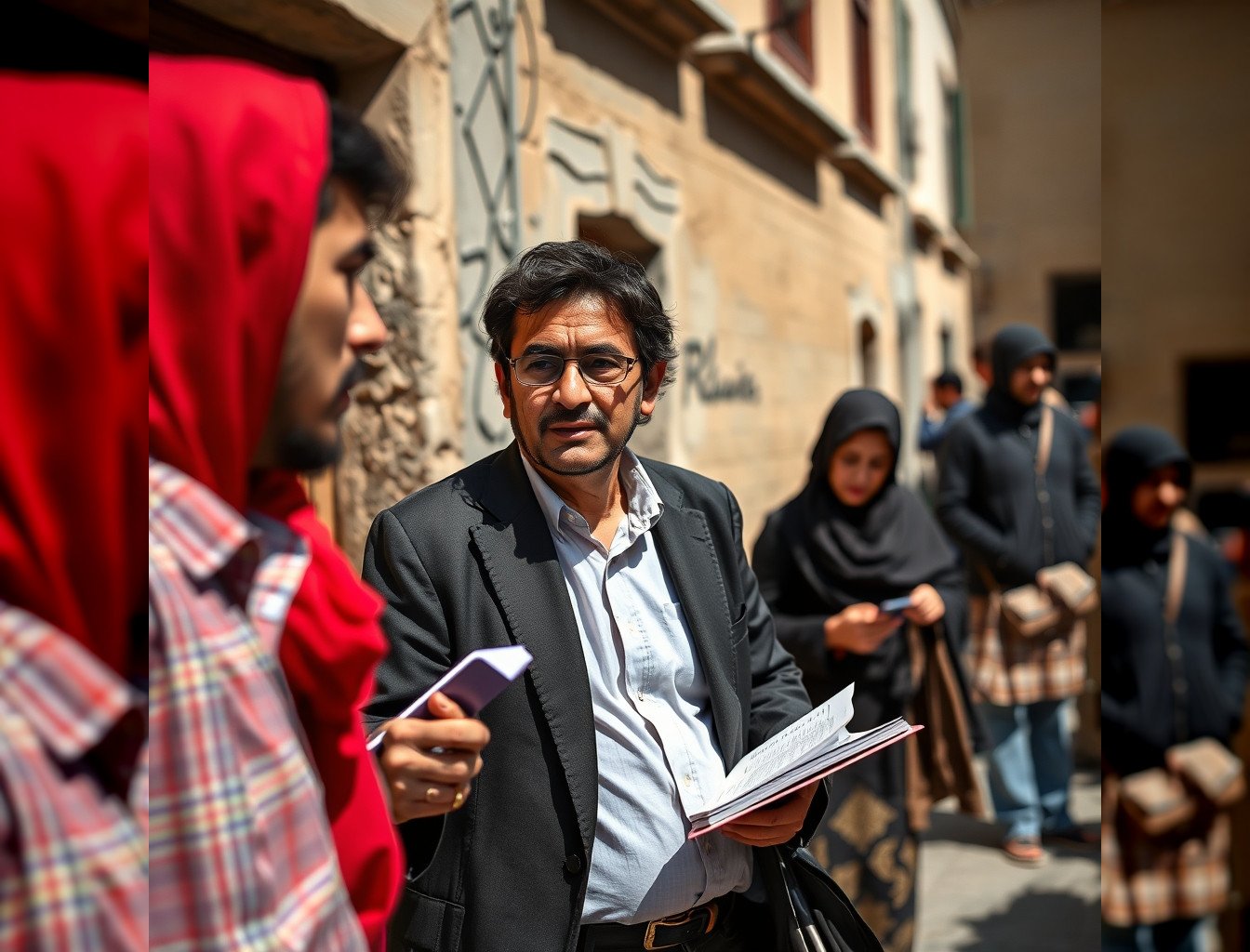
The French language remains deeply embedded in Algeria’s cultural and economic fabric, despite decades of post-colonial efforts to prioritize Arabic and Berber. According to Africa Is a Country, this linguistic legacy continues to shape Algeria’s literary scene, business environment and even public discourse, presenting both opportunities and tensions for entrepreneurs and the Algerian diaspora.
French was the language of colonial administration, education and commerce in Algeria for over a century. Even after independence in 1962, the language retained its influence in universities, media and professional sectors. According to the article, many Algerian writers such as Kateb Yacine and Assia Djebar continue to be celebrated more widely in French-speaking circles than in Algeria itself. This phenomenon underscores how French persists as a tool for cultural expression and global visibility, despite official policies favoring Arabization.
For entrepreneurs in Algeria, the dominance of French carries strategic implications. Many business contracts, technical manuals and academic resources in Algeria are still published in French, making it a practical necessity for professionals in engineering, technology and international trade. According to Africa Is a Country, the continued use of French in higher education—especially in technical fields—means that Algerian students and professionals often need strong French-language skills to access advanced knowledge or collaborate with French-speaking markets.
The diaspora also plays a key role in this linguistic dynamic. Many Algerians abroad, particularly in France, maintain French as their primary language of communication, education and business. This creates a cultural bridge between Algeria and French-speaking markets, offering opportunities for trade, investment and knowledge transfer. Yet it also highlights a disconnect between Algeria’s national identity policies and the lived experiences of its citizens, many of whom operate fluently in both Arabic and French.
Economically, this linguistic duality can be leveraged. Algerian startups targeting francophone African markets or seeking partnerships in France may find that French fluency opens doors to funding, mentorship and market access. According to the article, Algerian tech entrepreneurs who publish content, apply for grants or network in French often gain visibility in ecosystems where French is the lingua franca. This is particularly relevant in sectors like IT, renewable energy and agribusiness, where Algeria seeks to expand exports.
However, tensions remain. The Algerian government has promoted Arabization in education and public administration since the 1970s, aiming to reduce reliance on French. Yet in practice, French remains indispensable in many economic sectors. According to Africa Is a Country, this has led to a generational divide: younger Algerians educated primarily in Arabic often struggle to access technical literature or compete in international forums where French is dominant. Entrepreneurs who invest in bilingual education or translation services may gain a competitive edge in bridging this gap.
The persistence of French also affects cultural industries. Algerian filmmakers, writers and artists who produce in French reach wider international audiences, particularly in Europe. This can enhance Algeria’s soft power and attract cultural tourism, but it may also sideline local-language creators and limit the domestic market for their work.
For the Algerian diaspora, the French language serves as both a cultural anchor and an economic lever. Professionals in finance, consulting and academia in France or Canada often maintain business ties with Algeria, facilitating investment and knowledge exchange. Startups founded by diaspora members frequently use French in their branding and operations to appeal to both local and international audiences.
Yet this also raises questions about identity and belonging. While French offers professional advantages, it can marginalize those who do not speak it fluently, particularly in rural areas or among less educated populations. Entrepreneurs must navigate this balance carefully, leveraging French where it grants access to markets and resources, while ensuring inclusivity in their operations.
Key takeaway for entrepreneurs: French proficiency remains a strategic asset in Algeria’s business environment, especially in technical and international sectors. Algerian founders targeting francophone markets or seeking global partnerships should prioritize bilingual capabilities. Meanwhile, diaspora entrepreneurs can use French as a bridge to facilitate trade and investment between Algeria and French-speaking economies.
Sources
- Africa Is a Country
💡 Starting a business in Algeria? GlobalStart guides you step by step: procedures, real costs, company forms (SARL, EURL, SPA) and CNRC registration.