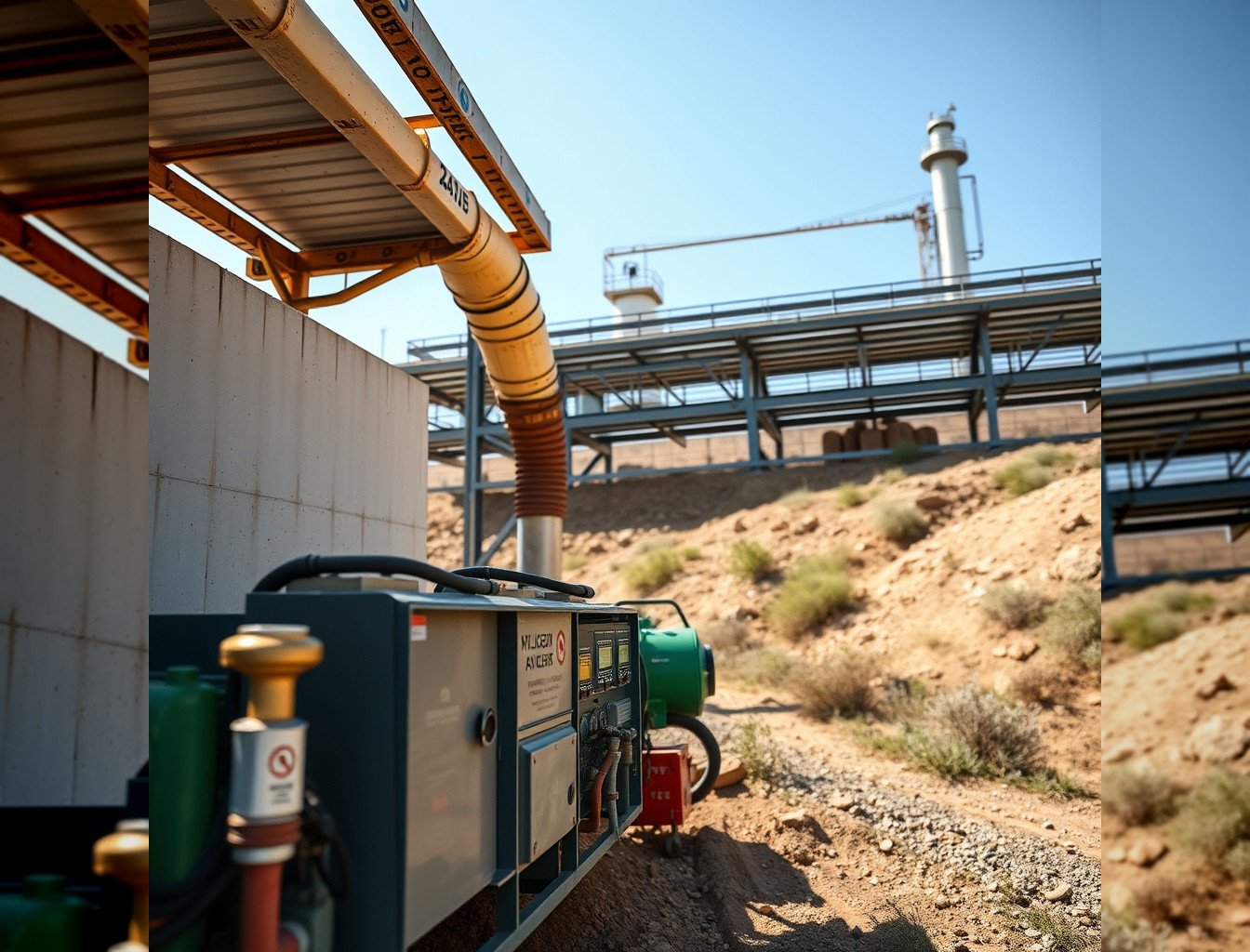
Algeria is rapidly emerging as a key player in Europe’s energy transition. The European Union’s growing interest in Algerian gas and green hydrogen was underscored this week when EU officials described the country’s potential as a “big opportunity” during energy talks in Algiers. According to Reuters, European Commission representatives highlighted Algeria’s vast renewable resources and existing gas export capacity as critical for the bloc’s 2030 energy security and decarbonization goals.
The visit follows a series of high-level exchanges in 2025, including a meeting between EU Energy Commissioner Kadri Simson and Algerian Energy Minister Mohamed Arkab. The talks centered not only on traditional fossil fuels but also on green hydrogen, a clean energy source Algeria aims to produce at scale within the next decade. The EU’s interest comes as Europe seeks to reduce its dependence on Russian gas and accelerate its shift to low-carbon energy.
For Algerian entrepreneurs and engineers, this represents a rare and lucrative moment. Local companies like state-owned energy giant SONATRACH and emerging green tech startups could become key partners in supplying Europe with both green and blue hydrogen. SONATRACH, which already exports 90% of Algeria’s gas to Europe, recently announced a $12 billion investment plan in renewable energy over five years. The company is actively exploring green hydrogen pilot projects in the southern Sahara, where solar irradiance is among the highest in the world.
The potential is vast. Algeria’s renewable energy potential is estimated at 10 terawatts, according to the Algerian Renewable Energy Development Centre (CDER). With over 3,000 hours of sunshine per year, the country could generate enough electricity to produce up to 100 gigawatts of green hydrogen annually by 2040, according to a 2025 study by the German Aerospace Centre (DLR). This could position Algeria as one of the world’s top exporters of green hydrogen, alongside countries like Australia and Morocco.
For local entrepreneurs, the timing couldn’t be better. The Algerian government has introduced a series of incentives to attract private investment in green energy, including tax exemptions, subsidized land leases, and streamlined permitting processes. The 2024 Investment Law, amended in 2025, allows up to 100% foreign ownership in renewable energy projects, a major shift for a traditionally state-dominated sector. In 2025, the government launched a national hydrogen strategy targeting 30% of domestic energy mix by 2035, creating a clear market signal.
Algerian startups are already responding. Companies like Enerray Algeria, a subsidiary of Italian firm Enerray Spa, are installing solar farms in the south to power water desalination and hydrogen pilot plants. Another local firm, H2 Algeria, was founded in 2023 by a group of MIT-trained engineers and has secured $15 million in seed funding to build a small-scale green hydrogen plant near Tamanrasset. The startup aims to supply hydrogen to European markets via pipelines to Spain within five years.
But challenges remain. Despite the incentives, bureaucratic hurdles and the dominance of state-owned SONATRACH still pose obstacles. Many private investors report difficulties accessing land in the Sahara, slow approvals, and limited access to financing. The banking sector, dominated by public banks, has been cautious in funding green energy projects, preferring traditional energy loans.
For the Algerian diaspora, this transition offers a rare chance to contribute from abroad. Engineers, investors, and tech professionals in Europe and North America are being courted to return or partner with local firms. The government has launched programs like “Algeria Green Energy Bridge,” which connects diaspora professionals with Algerian startups and SMEs. In 2025, over 2,000 Algerian engineers attended virtual job fairs organized by the Ministry of Energy, aimed at fostering collaboration in green hydrogen development.
Europe’s demand is clear. The EU aims to import 10 million tonnes of green hydrogen annually by 2030 as part of its REPowerEU plan. Algeria, with its geographical proximity and existing gas export infrastructure, is well-positioned to meet part of this demand. A recent report by the European Investment Bank (EIB) estimates that Algeria could supply up to 15% of Europe’s green hydrogen needs by 2035, if infrastructure and production scales up in time.
The shift to green energy also aligns with Algeria’s long-term economic strategy. The country, heavily reliant on oil and gas exports, is looking to diversify its economy as global demand for fossil fuels declines. President Abdelmadjid Tebboune has repeatedly emphasized the need to reduce hydrocarbon dependence and build a knowledge-based economy. Green hydrogen is seen as a strategic sector that can create tens of thousands of jobs and attract billions in foreign investment.
For entrepreneurs in Algeria, the message is simple: the green hydrogen and gas markets are not just about exporting energy—they are about building a new industrial ecosystem. Local firms can position themselves as suppliers of components, services, and technology. Algeria’s young population, with a median age of 28, represents a skilled workforce ready to be trained in solar, wind, and hydrogen technologies.
International partnerships will be key. Algeria has signed memoranda of understanding with Germany, Italy, and Spain in 2025 to develop hydrogen supply chains. German company Siemens Energy recently opened an office in Algiers to explore hydrogen projects, while Italian firm Saipem signed an agreement with SONATRACH to develop a green hydrogen plant in the south. These collaborations offer Algerian entrepreneurs opportunities to join global supply chains.
Despite the progress, concerns about water use in hydrogen production persist. Green hydrogen requires large amounts of desalinated water, and Algeria’s water scarcity is a real issue. However, the government is investing in solar-powered desalination plants, which could help mitigate this challenge.
Another hurdle is grid capacity. Algeria’s electricity network, largely built for fossil fuels, needs upgrades to support large-scale renewable energy exports. The government has pledged $5 billion in grid modernization by 2030, with support from the World Bank and African Development Bank. Entrepreneurs with expertise in energy infrastructure could find opportunities in this segment.
For both local and diaspora entrepreneurs, the message is clear: Algeria’s green hydrogen sector is at an inflection point. The combination of government support, international demand, and untapped natural resources creates a unique opportunity—one that requires bold investment and collaboration.
Key takeaway for entrepreneurs
Algeria’s push into green hydrogen offers two clear pathways for local and diaspora investors: participation in pilot projects with state-backed firms like SONATRACH or launching independent ventures in solar, electrolysis, or infrastructure. The 2025 investment law and EU demand create a rare window for rapid growth, but success depends on navigating bureaucracy and securing early partnerships.
Sources
- Khaleej Times
- EUobserver
💡 Starting a business in Algeria? GlobalStart guides you step by step: procedures, real costs, company forms (SARL, EURL, SPA) and CNRC registration.