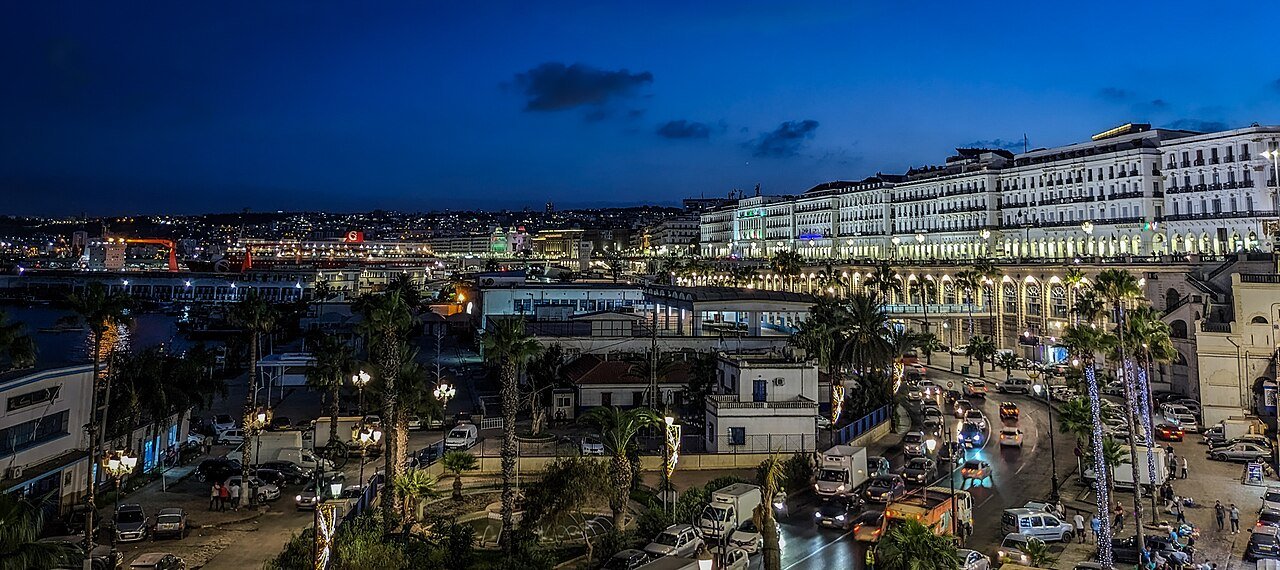
Algeria’s economic landscape this week reveals a mix of trade realignments, energy constraints, and persistent structural challenges. The country’s oil production remains tightly controlled, while diplomatic tensions and domestic reforms shape its industrial and energy ambitions. Meanwhile, diaspora dynamics and youth unemployment continue to influence investment decisions.
Oil Quotas, Corruption Scrutiny, and Sonatrach’s Dilemma
The diplomatic fallout complicates Algeria’s relations with France, already strained by historical grievances and recent political tensions. Legal experts debate whether the diplomat enjoys functional immunity, a common defense in such cases. Meanwhile, Sonatrach’s struggles persist: inefficiencies, bureaucratic hurdles, and public distrust erode confidence in its ability to modernize. Without concrete reforms, the company risks losing ground to competitors in Africa’s energy transition.
Trade Shifts, Industrial Localization, and Energy Ambitions
Industrial policy is also evolving. Localization requirements for automakers create opportunities for domestic parts suppliers, though car shortages persist due to import restrictions. Meanwhile, Algeria’s solar energy target of 15 GW by 2035 (currently at just 500 MW) offers contracts for foreign and local firms. An AFREC report ranks Algeria among Africa’s top three for electricity and gas coverage, with near-universal access in cities and 92% rural electrification, though gas access lags at 85%. The energy sector’s growth hinges on balancing expansion with corruption risks—Sonatrach’s shadow looms over even renewable projects.
Diaspora Divide, Youth Unemployment, and Soft Power Gaps
Youth unemployment remains a stubborn challenge. While digital freelancing provides income for some, structural barriers persist. The government’s unemployment policies focus more on rent redistribution than job creation, limiting long-term solutions. Meanwhile, Algeria’s cultural sector—from film to football—serves as a soft power tool. The 2026 World Cup performance (including a third-place finish scenario) and historical ties to colonial-era cinema (like François Ozon’s The Stranger) highlight Algeria’s global cultural footprint. Yet, economic spillovers from these sectors remain limited without stronger private-sector integration.
Key Takeaway for Entrepreneurs
Sources
- Middle East Eye
- Middle East Council on Global Affairs
- Yahoo Sports
- Bleacher Report
- Ynetnews
- AL24 News
💡 Starting a business in Algeria? GlobalStart guides you step by step: procedures, real costs, company forms (SARL, EURL, SPA) and CNRC registration.