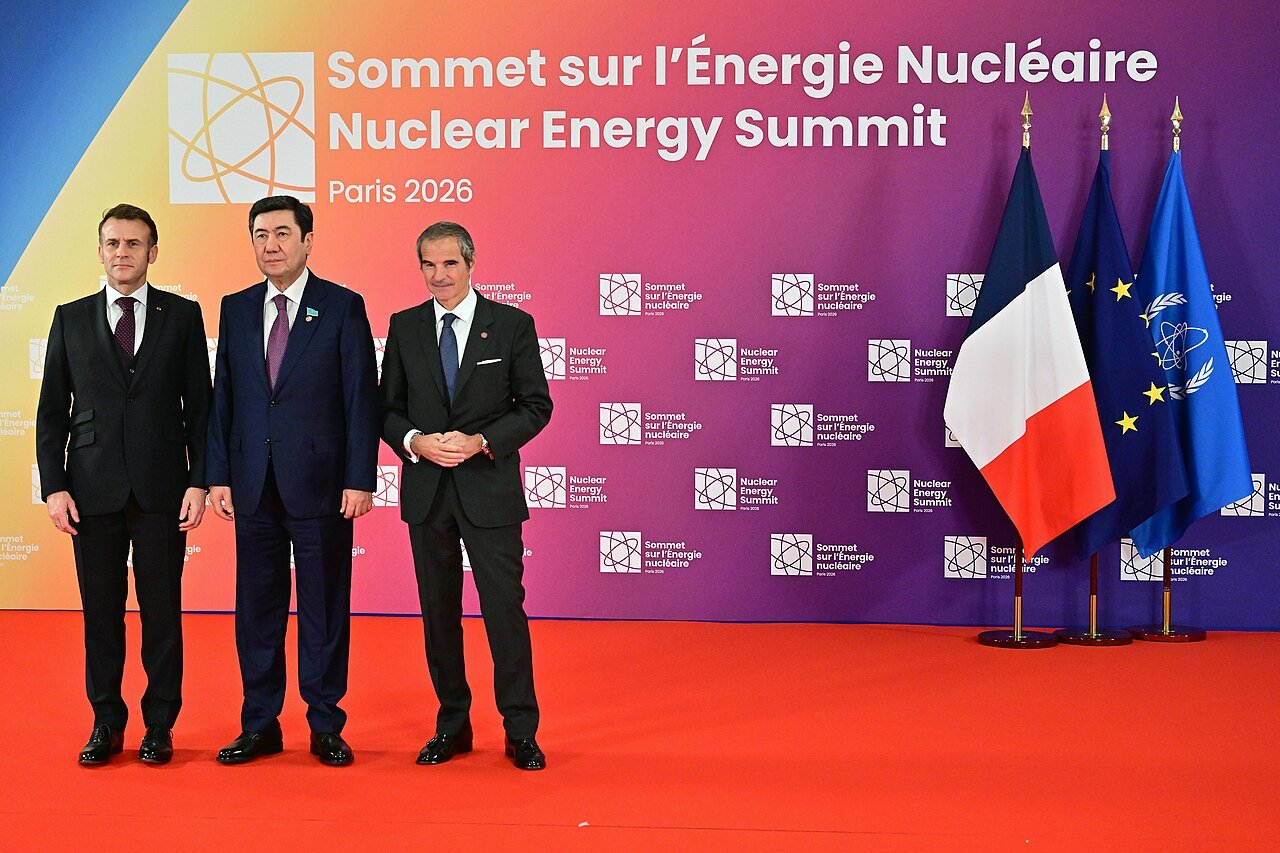
Diplomatic tensions with France: a reconciliation that remains fragile
The latest diplomatic exchanges between Algeria and France have failed to ease long-standing historical grievances. President Macron’s recent attempts at reconciliation—marked by symbolic gestures and public statements—have been met with skepticism. Algerians, particularly those who lived through the colonial era, view France’s colonial legacy as an unresolved wound. A Le Monde report highlights how many Algerians, despite personal desires for progress, still associate France with systemic oppression.
Cultural expressions reflect this unresolved past. Algerian cinema and literature continue to grapple with post-colonial identity. The Oran Arab Film Festival, now in its latest edition, features works that revisit colonial trauma, while adaptations like François Ozon’s The Stranger—based on Camus’ novel—reinforce the narrative of a fractured relationship. Even artistic festivals, such as Algiers’ International Symphonic Music Festival, carry undertones of national pride tied to decolonization struggles.
France’s perceived insensitivity to Algeria’s sovereignty further complicates relations. U.S. reports classify Algeria as a repressive state, amplifying domestic criticism of foreign interference. Meanwhile, Algerian counter-terrorism laws, increasingly seen as tools to suppress dissent, risk alienating both domestic and international observers. The MENA Rights Group warns these measures may stifle peaceful activism under the guise of security.
Political parties and the post-Bouteflika hangover
Algeria’s political landscape remains unstable eight years after Abdelaziz Bouteflika’s fall. The transition has exposed deep divisions within parties, particularly those aligned with the old regime. GIS Reports notes that while the Hirak movement initially pushed for systemic change, its energy has dissipated, leaving a power vacuum.
The 2026 legislative elections loom as a test for Algeria’s democratic experiment. ISPI analysis suggests low youth participation could undermine legitimacy, as disengagement persists despite efforts to engage younger voters. Political Islam, though not dominant, remains a wild card. The Hudson Institute observes that Islamist factions—once sidelined—are re-emerging, exploiting state weakness to fill ideological gaps.
Legal and security frameworks also hinder political pluralism. Counter-terrorism laws, expanded under the pretext of combating extremism, now target activists and journalists. Amnesty International documents cases where dissent is criminalized under anti-terrorism statutes, raising concerns about authoritarian backsliding.
Economic mobility and the digital divide
Algeria’s economy shows mixed signals. Infrastructure projects, like the Algiers Metro expansion, signal urban modernization, but broader structural issues persist. Youth unemployment remains stubbornly high, with policies focusing on rent redistribution rather than job creation. The Middle East Institute notes that without structural reforms, temporary fixes will fail to address long-term labor market rigidities.
Digital platforms offer a glimmer of hope. Women-led startups are gaining traction, particularly in e-commerce and fintech, but formalization remains a barrier. The lack of legal clarity discourages investment, despite growing demand for digital services. Meanwhile, regional trade initiatives—such as Algeria’s Cevital group targeting Cameroon and Congo—provide export opportunities for agri-food businesses. However, bureaucratic hurdles and infrastructure gaps limit scalability.
Tourism is another frontier. The introduction of electronic visas for Saharan destinations aims to attract foreign visitors, but security concerns and underdeveloped logistics slow progress. Festivals and cultural events, while boosting soft power, have yet to translate into sustained economic benefits.
Key takeaway for entrepreneurs
Algeria’s digital economy presents viable opportunities for women-led ventures, but regulatory ambiguities and bureaucratic red tape remain significant obstacles. Infrastructure projects like the Algiers Metro expansion indicate growing urban connectivity, which could benefit logistics and agri-food exporters targeting regional markets. Investors should closely monitor shifts in counter-terrorism laws and women’s rights policies, as these will directly influence labor market dynamics and legal frameworks.
Sources
- Hudson Institute
- GIS Reports
- ISPI
- Le Monde.fr
- AL24 News
- Amnesty International
💡 Starting a business in Algeria? GlobalStart guides you step by step: procedures, real costs, company forms (SARL, EURL, SPA) and CNRC registration.