Algeria’s push into green hydrogen is gathering pace, with the country positioning itself as a key supplier to Europe’s decarbonization drive. In 2025, Algeria’s state energy giant SONATRACH signed preliminary agreements with German firms to export green hydrogen, while the government approved a national strategy to produce 200,000 tonnes annually by 2030. For Algerian entrepreneurs, this shift from oil and gas to renewables opens a narrow but real window for investment in green hydrogen supply chains, technology partnerships and local manufacturing.
The momentum is driven by Europe’s demand for low-carbon fuels. In February 2026, Algerian and German officials confirmed plans for green hydrogen shipments to Germany starting in 2027, with SONATRACH and the German energy group RWE leading feasibility studies. The volumes remain small—initially around 5,000 tonnes per year—but the contracts signal Algeria’s intent to become a reliable supplier in a market currently dominated by imports from Australia, Chile and the Middle East. According to the German energy ministry, Algeria could supply up to 10% of Germany’s green hydrogen needs by 2035 if infrastructure scales up.
For Algerian entrepreneurs, the opportunity lies not just in exporting raw green hydrogen but in building the supporting ecosystem: electrolyzers, storage facilities, transport logistics and local hydrogen applications. The government’s 2025 renewable energy law offers tax breaks and land leases to investors in green hydrogen projects, with priority access to the national grid and water resources. In Tlemcen, the first pilot plant by the Algerian startup HySol aims to produce 100 tonnes of green hydrogen annually using solar power, with plans to scale to 1,000 tonnes within five years. HySol’s founder, engineer Amina Belkacem, told local media recently that the project has attracted $8 million in grants from the Algerian Agency for the Promotion of Investment (ANDI) and is negotiating offtake agreements with European buyers.
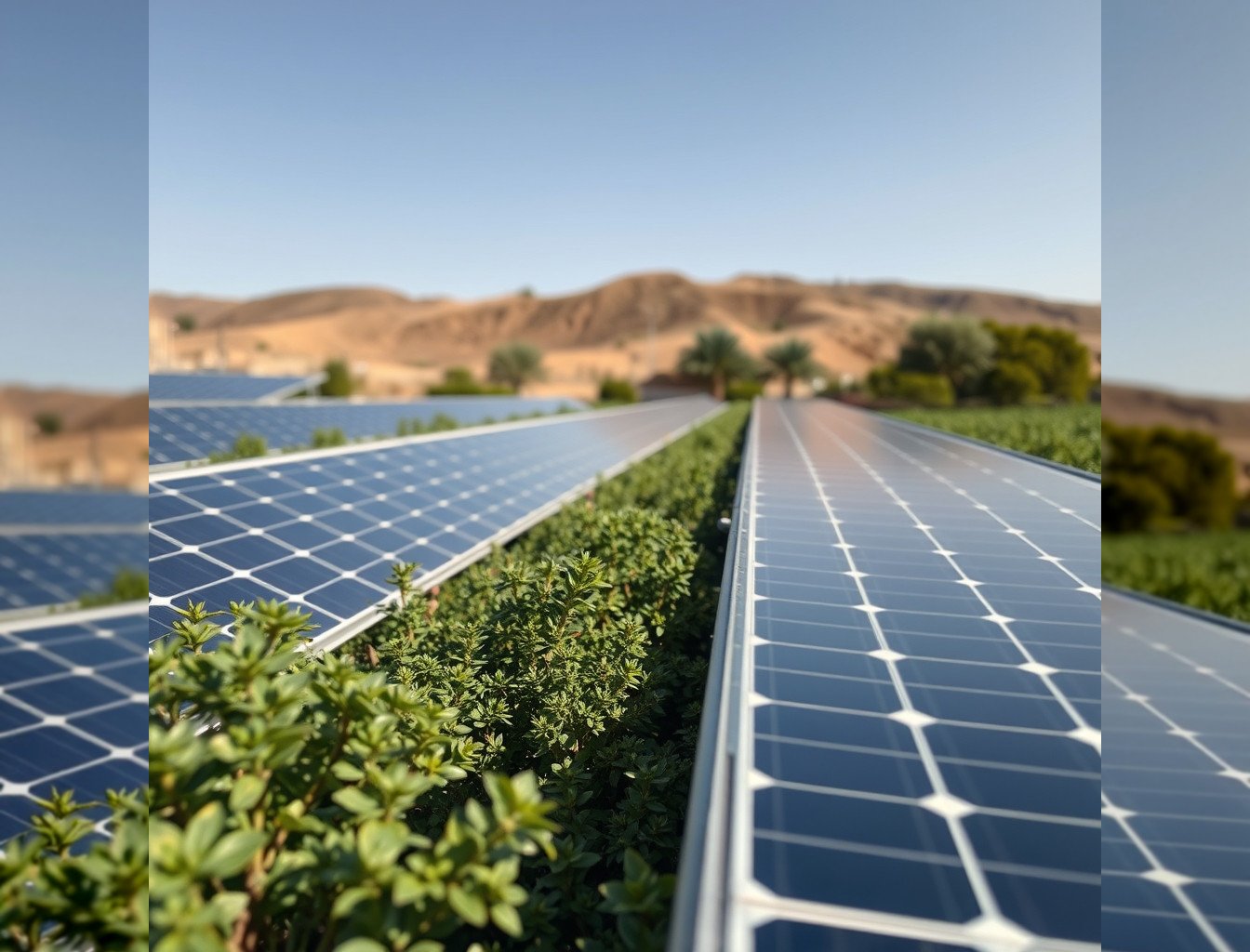
The economics are still fragile. Green hydrogen costs in Algeria currently range between $3.50 and $5.00 per kilogram, compared to about $2.50 in countries with cheaper renewable electricity. However, Algerian officials argue that proximity to Europe reduces transport costs and that local solar potential—estimated at over 3,000 hours of sunshine annually—can drive costs down to $2.00 per kilogram by 2030. The national renewable energy company, NEAL, has earmarked $5 billion for green hydrogen infrastructure in the next five years, including hydrogen-ready pipelines and export terminals in Arzew and Béjaïa.
Entrepreneurs should also watch the evolving geopolitical landscape. The recent United Nations vote on Western Sahara has opened new corridors for energy cooperation with Morocco, but Algeria’s focus remains on European markets. Meanwhile, domestic demand is growing: state-owned companies are piloting hydrogen buses in Algiers and ammonia-based fertilizers for agriculture. In Oran, the startup HydroSun is developing a mobile electrolyzer to supply remote villages with green hydrogen for cooking and electricity, replacing diesel generators.
Regulatory clarity is improving but remains uneven. The 2025 law allows private companies to sell green hydrogen domestically and internationally, but export licenses require approval from the Ministry of Energy and Mines. Foreign entrepreneurs can enter through joint ventures with SONATRACH or local partners, but land ownership for large-scale projects is restricted to Algerian entities. The Algerian diaspora can participate via investment funds registered in Algiers, though repatriation of profits remains subject to capital controls.
The risks are real: bureaucratic delays, currency restrictions and competition from cheaper imports could stall projects. However, the presence of European buyers and multilateral financing—including from the European Bank for Reconstruction and Development—reduces some of the risk. For Algerian entrepreneurs, the green hydrogen window is open but not unlimited. The first-mover advantage goes to those who can secure offtake agreements, lock in land and water rights, and assemble the financing mix of grants, loans and export credits.
Key takeaway for entrepreneurs: Algeria’s green hydrogen push offers a narrow but viable opportunity for local startups and investors to supply European markets, provided they move quickly to secure land, permits and offtake agreements. Early movers can tap government incentives, though risks remain high due to regulatory complexity and cost volatility.
Sources
- Renewables Now
- SteelRadar
- The Arab Weekly
- Industrial Info Resources
- resilience.org
- Nature
💡 Starting a business in Algeria? GlobalStart guides you step by step: procedures, real costs, company forms (SARL, EURL, SPA) and CNRC registration.