Oman’s Duqm port is betting on a $10 billion energy and industrial hub to lure investors, but the real question for Algerian business founders is whether this model can spark opportunities—or leave North Africa behind. The project, anchored by a 230,000-barrel-per-day refinery jointly owned by Oman’s OQ and Kuwait Petroleum International (KPI), is already reshaping regional energy trade. For Algeria, where domestic refining capacity lags and gas exports face geopolitical hurdles, Duqm’s strategy offers both a cautionary tale and a potential blueprint.
Kuwait’s Stake in Duqm: A Refining Play Outside Hormuz
The partnership also signals how smaller Gulf states like Oman are leveraging foreign capital to offset their limited financial firepower compared to Saudi Arabia or the UAE. Oman’s crude reserves—4.8 billion barrels as of late 2024—are substantial, but its gas exports cannot compete with Qatar’s scale. This forces Muscat to prioritize high-value industrial projects over sheer volume. For Algeria, where Sonatrach’s gas exports to Europe are under pressure from Russian competition, Duqm’s approach suggests a shift toward value-added energy products—like hydrogen or refined fuels—could be the next frontier.
Europe’s Hydrogen Ambitions: Will Algeria Miss the Boat?
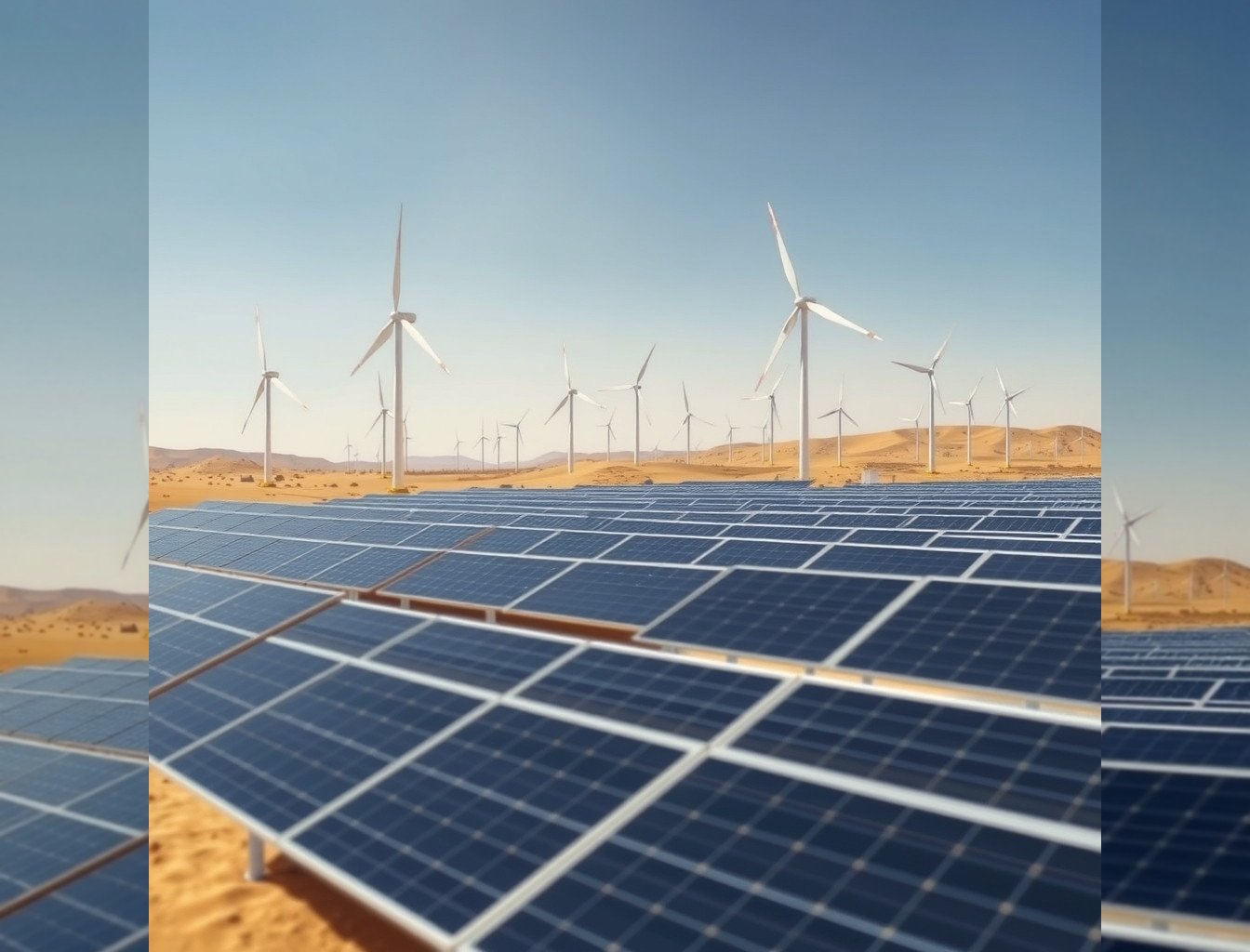
Algeria’s renewable energy sector, while growing, faces similar constraints. The country’s solar and wind projects are expanding, but bureaucracy and grid limitations slow down commercial-scale deployments. Duqm’s hydrogen push underscores a global race: nations that secure early partnerships—like Oman with European firms—gain a first-mover advantage. For Algerian entrepreneurs in renewables, this means accelerating private-public collaborations to avoid falling behind in the clean energy transition.
Domestic Value vs. Export Focus: A Test for Muscat—and Algeria
Algeria’s experience with foreign-led energy projects—like the Arzew LNG terminal—shows mixed results. While some ventures boosted local employment, others left Algerian firms as junior partners. Entrepreneurs in Algeria must ask: Can the country replicate Oman’s model without repeating past mistakes? The answer lies in local content requirements and ensuring Algerian firms, not just foreign investors, capture the benefits of energy-linked industries.
Sources
middleeastmonitor.com
US International Trade Administration
Sources
💡 Starting a business in Algeria? GlobalStart guides you step by step: procedures, real costs, company forms (SARL, EURL, SPA) and CNRC registration.