Policy and energy: Solar projects gain momentum, hydrogen ties to Europe
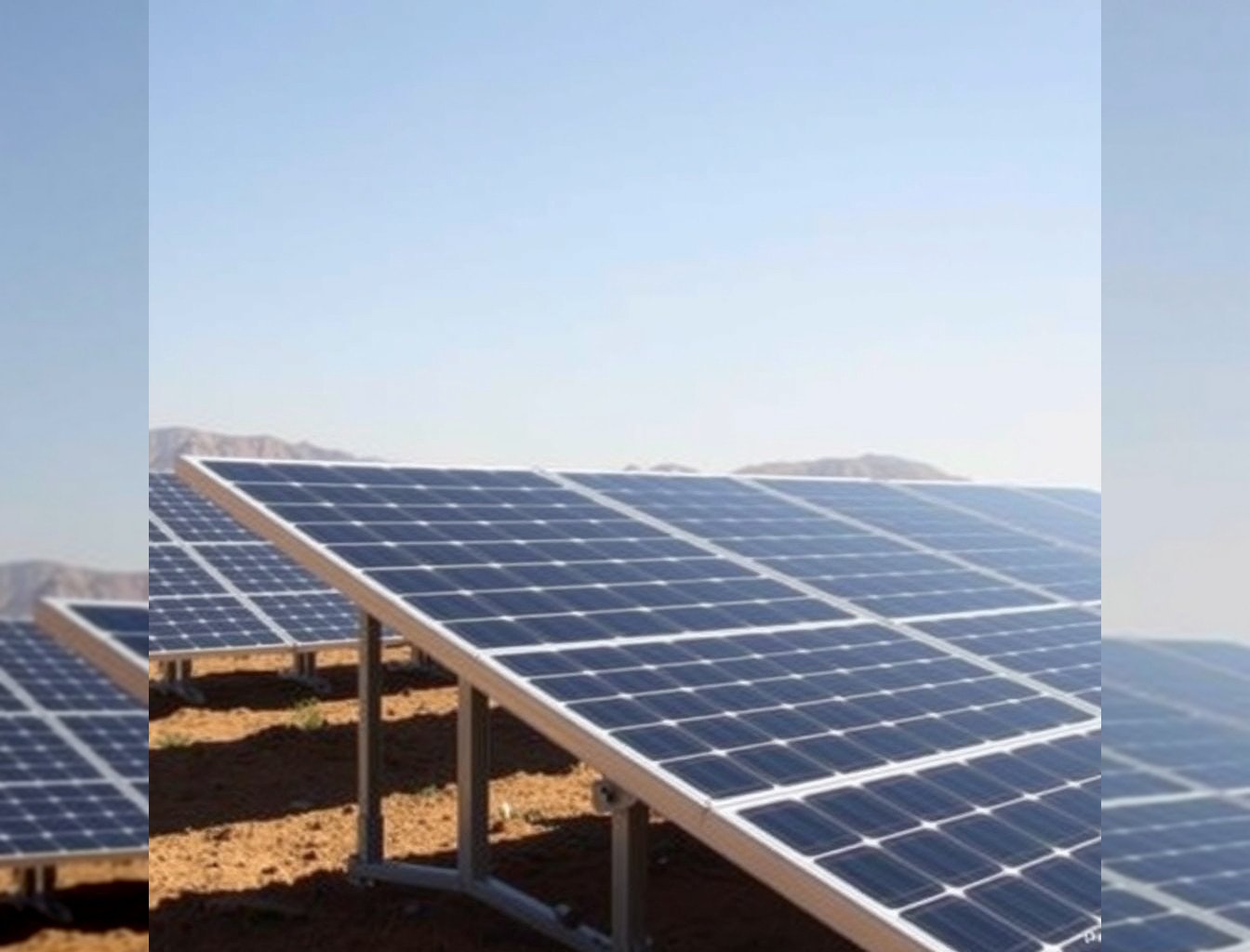
Domestic solar capacity remains behind schedule. The 2024 national solar plan targets 3 GW of new PV by December, but only 1.1 GW had been commissioned by mid-year (Ministry of Energy data). Public tenders for 1 GW in Tamanrasset and 500 MW in Adrar closed in June; winners are expected by 30 September. Private developers report that land allocation remains the main bottleneck: 40% of proposed sites in the south are still awaiting final administrative approval.
Siemens Energy signed a memorandum with Sonatrach and Sonelgaz on 18 June to study a 200 MW green hydrogen pilot in Hassi R’Mel, with FEED completion scheduled for Q2 2025. Afreximbank approved a $200 million facility for the Hassi Bir Rekaiz oil block, aimed at raising output to 30,000 bpd by 2026 (Sonatrach announcement, 24 June). The loan carries a 5-year grace period and 8.5% interest, down from the 10% commercial rate on similar instruments this year.
SME financing: Banks tighten credit, startups seek alternatives
Startup founders report increased use of microfinance institutions. The National Agency for Youth Employment (ANSEJ) disbursed 2.1 billion dinars to 1,800 projects in Q2, down from 2.6 billion in Q1. Crowdfunding platform Yomken.com registered a 45% rise in Algerian campaigns in H1, though total volumes remain under 50 million dinars. The cabinet approved on 9 July a draft law to allow private equity funds to operate under the 2022 investment code, with initial capital requirements set at 500 million dinars.
Regional integration: Maghreb deadlock persists, ECOWAS engagement tested
ECOWAS has not invited Algeria to high-level summits since the Morocco-Nigeria gas pipeline MOU was signed on 2 July. Algerian officials state that existing ECOWAS trade protocols remain in force, covering 12 priority sectors. The Algerian customs authority reported a 7.3% rise in exports to ECOWAS in H1 2024, reaching 1.1 billion dollars, led by fertilizers and construction materials.
Infrastructure: Tramway projects expand, local metal supply targeted
A 12 km tramway extension in Sétif was inaugurated on 20 June, raising the network to 42 km. The French consortium Alstom-CFA has been awarded the maintenance contract for five years. Public works minister Tayeb Zitouni stated that five new tramway projects are in the tender phase, with total investment of 350 billion dinars.
Education: English replaces French as university language
University registrations for the 2024-25 academic year opened on 15 July, with 230,000 new students expected nationwide. The ministry allocated 1.2 billion dinars for digital content creation in English, with 850 hours of new materials scheduled by December. A survey of 1,200 first-year students at the University of Science and Technology Houari Boumediene found that 68% had no prior English proficiency, prompting a three-week bridging program in August.
Heritage and civil society: Language politics, gender gaps, synagogues
The UNDP opened a call on 1 July for community-based environmental projects, with grants capped at 150,000 dollars per initiative. Funding priorities include solar microgrids in Tindouf and water recycling in Bechar.
On 4 July, authorities demolished a 19th-century synagogue in Tlemcen, citing urban planning violations. The site, owned by the Algerian Jewish community, had been vacant since 1994. The Jewish heritage restoration project in Morocco’s Akka was announced on 29 June by the Moroccan tourism ministry, with a 120 million dirham budget.
Gender-based violence shelters remain underfunded. The Ministry of National Solidarity reported on 20 June that 22 of 48 planned shelters have not opened due to budget delays. A parliamentary commission found that only 12% of the 2002 pledge for 300 shelters has been met. Domestic violence helpline calls rose by 22% in H1 2024 compared to 2023, according to the National Observatory for Family and Women.
Corporate governance: SARL reforms, foreign ownership restrictions
Companies in strategic sectors—oil and gas, mining, electricity, water, transport and telecoms—must now obtain government authorization before transferring shares or equity to foreign individuals or entities, per decree 24-135 published on 15 June. The measure covers listed firms with turnover above 5 billion dinars or 20% foreign ownership. Sonatrach confirmed on 28 June that its subsidiaries are reviewing internal equity transfer policies.
Petrofac’s 850 million dollar gas processing project in Menzel Ledjmat Said entered civil works phase on 10 July, with completion targeted for Q4 2025.
Europe ties: France-Algeria tensions, no breakthrough
Algerian and French officials held a joint economic commission on 3 July in Algiers, focusing on student visas, renewable energy investments and energy transit. No new agreements were signed; both sides cited the visa backlog—68,000 pending applications as of June—as the main sticking point.
Key takeaway for entrepreneurs: English-language university reforms create a local bilingual talent pool by 2026. Solar and hydrogen project pipelines offer opportunities for component suppliers and EPC contractors. Foreign ownership curbs in strategic sectors require pre-approval for any equity transfer exceeding 25%.
Sources
- We are Tech
- MEED
- Stimson Center
- The Libya Observer
- Ynetnews
- fundsforNGOs
💡 Starting a business in Algeria? GlobalStart guides you step by step: procedures, real costs, company forms (SARL, EURL, SPA) and CNRC registration.