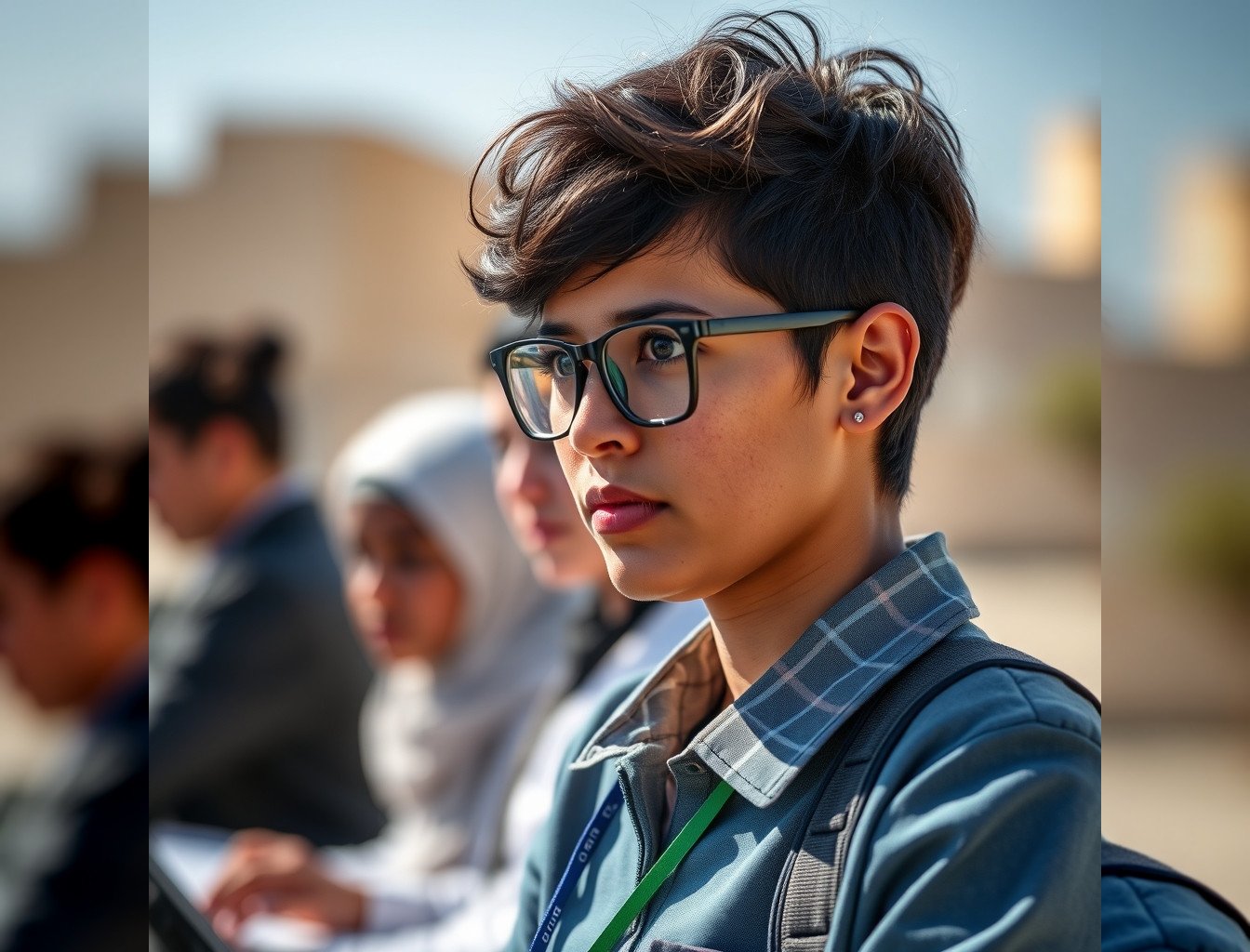
Education: English Push Opens Doors for Exporters
Why it matters for business:
– Trade exposure: English proficiency will ease communication with European and North American partners, critical for sectors like automotive and AI.
– Diaspora ties: Algerian entrepreneurs abroad—especially in France, Canada, and the U.S.—may see increased demand for bilingual labor, creating niche hiring opportunities.
– Timing: The first wave of students will reach the workforce by 2030, aligning with Algeria’s push for economic diversification.
Currency & Reserves: Dinar’s Slide Tests Business Resilience
Impact on entrepreneurs:
– Import costs rise: Businesses relying on foreign machinery or raw materials face higher expenses. Opel’s engine plant in Oran, for example, will need to factor in ~15% higher costs for German-sourced components.
– Diaspora remittances: Algerians abroad sending money home face stricter transfer limits, reducing liquidity for small businesses dependent on family funds.
– Black market premium: The official rate no longer reflects reality. Entrepreneurs trading with Tunisia or Morocco must use parallel rates, adding complexity.
Security Bloc: Algeria’s Sahel Gambit Limits Trade Risks
Business implications:
– Sahel trade routes: Improved stability could lower logistics costs for Algerian exporters shipping goods through Niger or Mali, but only if customs harmonization follows.
– Foreign investment caution: While security improves, investors in border regions (e.g., Tamanrasset, Béchar) must still navigate bureaucratic delays and occasional military checkpoints.
– China’s role: Beijing has pledged $300 million to Algeria’s security infrastructure, which may indirectly benefit Chinese contractors in Algeria’s energy sector.
Healthcare: Bouteflika’s Return Signals Political Uncertainty
For entrepreneurs:
– Regulatory stability: Delays in economic reforms persist. The automotive sector’s revival (see below) hinges on clear land-use laws, but local officials often drag their feet.
– Healthcare costs: Private clinics in Algiers charge $150–$300 for a specialist visit, a burden for SMEs without insurance. The government’s $1.8 billion healthcare budget (2024) may ease pressure but won’t cover all needs.
– Diaspora healthcare: Algerians abroad may increase medical tourism to Algeria if visa rules relax, creating opportunities for private hospitals in Oran or Constantine.
Tourism: Pope’s Visit Boosts Religious, Not Economic, Narrative
Business angles:
– Niche markets: Religious tourism generates $20 million/year but is concentrated in a few sites. Entrepreneurs in hospitality must target Christian pilgrims, not mass tourists.
– Cultural barriers: Algeria’s 99% Muslim population limits broader appeal. Hotels in Algiers report 30% occupancy in December, down from 45% pre-pandemic.
– Opportunity: The Pope’s visit may spur demand for halal-certified tourism packages, a growing segment in North Africa.
AI & Russia: State-Led Tech Push Leaves Little Room for Startups
What this means for entrepreneurs:
– Market access: Russian tech firms (e.g., Yandex, Kaspersky) may enter Algeria via partnerships with Sonatrach or ETRHB, leaving little space for local AI startups.
– Funding gaps: The government’s $200 million AI budget (2024) prioritizes hydrocarbons and defense. Entrepreneurs in fintech or logistics AI must seek private investment or EU grants.
– Brain drain: Algerian AI talent often relocates to France or the UAE, where salaries are 3–5x higher.
Automotive Revival: Opel & DRB-Hicom Signal Shift from Oil
Key figures for investors:
– Incentives: The government offers 10-year tax holidays and 50% import duty waivers on machinery for approved projects.
– Supply chain risks: Local parts suppliers are scarce. Opel’s plant in Oran relies on 80% imported components, raising costs.
– Diaspora links: Algerian engineers in France and Germany may return to fill roles, but visa restrictions apply.
Women in Politics & Sports: Symbolism Outpaces Structural Change
Business impact:
– Consumer markets: Female purchasing power is rising. In Algiers, women control 60% of household spending, but access to credit remains limited.
– Sports economy: Khelif’s success could boost fitness centers and sportswear sales, but the sector is dominated by French and Turkish brands.
– Legal hurdles: Women-led startups face higher bureaucracy. A 2023 study found 40% of female entrepreneurs cite red tape as their top challenge.
Diplomacy: Morocco Rivalry Trumps Economic Gains
For business:
– Energy exports: Algeria supplies 30% of Spain’s gas, but Moroccan LNG projects threaten long-term contracts.
– Diaspora divide: Algerian and Moroccan communities in France and Italy remain politically polarized, complicating cross-border business networks.
– Investment risks: Foreign firms must choose sides. A German automaker canceled a joint venture in 2023 after Morocco offered better terms.
Urban Focus: Pope’s Algiers Visit Highlights Infrastructure Gaps
Entrepreneurial opportunities:
– Heritage tourism: Restoration projects in Casbah and Tipasa could attract EU-funded grants, but permits take 6–12 months.
– Religious retail: Demand for Christian-themed souvenirs is niche but growing, with $1 million in annual sales in Annaba alone.
– Logistics delays: Algiers’ port handles 40% of Algeria’s imports, but customs clearance takes 15–20 days, hurting perishable goods traders.
Weekly Highlights: What Stands Out
Key takeaway for entrepreneurs:
Algeria’s economic diversification is real but uneven. The automotive and AI sectors offer the clearest growth paths, but state dominance and currency risks demand hedging strategies. Entrepreneurs with bilingual skills (English-Arabic-French) or niche supply-chain expertise will navigate challenges better than those relying on traditional trade routes. Diaspora networks remain critical for capital and talent, but political tensions with Morocco add uncertainty.
Sources
- Worldcrunch
- NPR
- aciafrica.org
- National Geographic
- Trendsnafrica
- AUTOJOSH
💡 Starting a business in Algeria? GlobalStart guides you step by step: procedures, real costs, company forms (SARL, EURL, SPA) and CNRC registration.