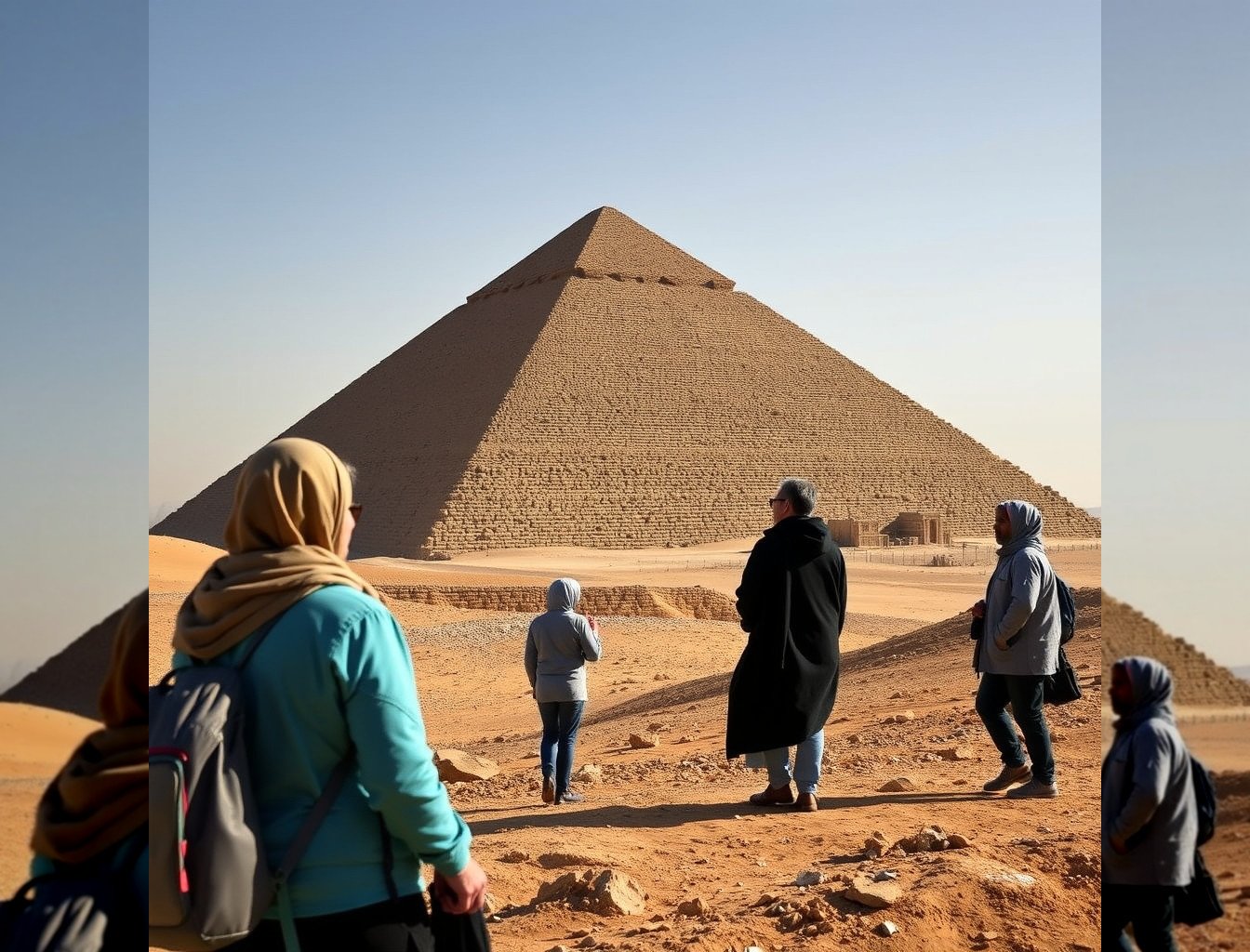
Algeria’s Ministry of Culture has revived efforts to secure UNESCO World Heritage status for the Djeddar pyramids, a cluster of twelve 5th- to 7th-century funerary monuments near Frenda, Tiaret province. According to a statement published by the Algerian Press Service (APS) in mid-January, the dossier has been updated and resubmitted to the UNESCO evaluation committee, which is expected to rule in 2025.
The Djeddar pyramids are the only pre-Islamic stone pyramids in North Africa and are believed to mark the tombs of Berber kings from the late Roman period. Archaeologists estimate that the site covers 1.5 hectares and contains over 300,000 cubic metres of dressed stone. A 2023 survey by the National Centre for Archaeological Research (CNRA) revealed that 40 % of the structures show signs of erosion and vandalism, prompting the ministry to allocate 120 million dinars (approximately 880,000 USD) for emergency stabilisation works.
For the business community, the UNESCO bid carries three immediate implications. First, the restoration budget is being channelled through local contractors. The tender, published in the Official Journal on 5 February, specifies that at least 70 % of the workforce must be Algerian nationals, creating short-term jobs in Tiaret. Second, the Ministry of Tourism has announced a parallel 300-million-dinar plan to upgrade visitor infrastructure—car parks, signage, and a small interpretation centre—by the end of 2024. Third, if the site is listed, the government will launch a public-private partnership (PPP) to manage future tourism revenue, offering a potential revenue stream for hospitality start-ups and tour operators.
The Algerian diaspora is also being mobilised. In a recent interview with Radio Algérie Internationale, Culture Minister Soraya Mouloudji called on Algerians abroad to “become ambassadors” for the Djeddar pyramids. The ministry has set up a dedicated portal where expatriates can submit photographs, oral histories, and family documents that might strengthen the nomination file. Mouloudji added that a diaspora investment fund is under discussion, allowing non-resident Algerians to contribute to site maintenance in exchange for tax incentives on future dividends.
Entrepreneurs in the cultural and creative sectors stand to benefit from ancillary opportunities. The Ministry of Culture has launched a competition for Algerian designers to create a logo and branding guidelines for the Djeddar site. Winning entries will receive a 5-million-dinar grant and the right to license the brand for merchandise. Separately, the National Office of Copyright and Related Rights (ONDA) has announced that any revenue from commercial use of the Djeddar name will be split 60-40 between the state and the original creators, providing a new income stream for graphic artists and film-makers.
On the regulatory front, the government is drafting a special heritage protection law that will apply to any site granted UNESCO status. The draft, seen by Reuters, includes clauses that limit construction within a 500-metre buffer zone around the pyramids and require any commercial activity—restaurants, souvenir shops—to obtain a heritage licence. Entrepreneurs who secure such licences will be exempt from corporate tax for the first three years of operation.
The economic ripple effect extends beyond Tiaret. Algiers-based logistics firm NCA Rouiba has already won a contract to transport restoration materials from the port of Oran to Frenda, a route that will remain open for future tourism-related shipments. Meanwhile, Air Algérie has added a weekly flight between Algiers and Tiaret, reducing travel time for potential investors and heritage tourists.
Key takeaway for entrepreneurs
The UNESCO bid for the Djeddar pyramids creates near-term contracts in construction and tourism infrastructure, a new branding opportunity for designers, and a potential PPP model for heritage management. Entrepreneurs should monitor the 2025 UNESCO decision and the forthcoming heritage protection law to identify licensable activities and tax advantages around the site.
Sources
- Daily Sabah
💡 Starting a business in Algeria? GlobalStart guides you step by step: procedures, real costs, company forms (SARL, EURL, SPA) and CNRC registration.