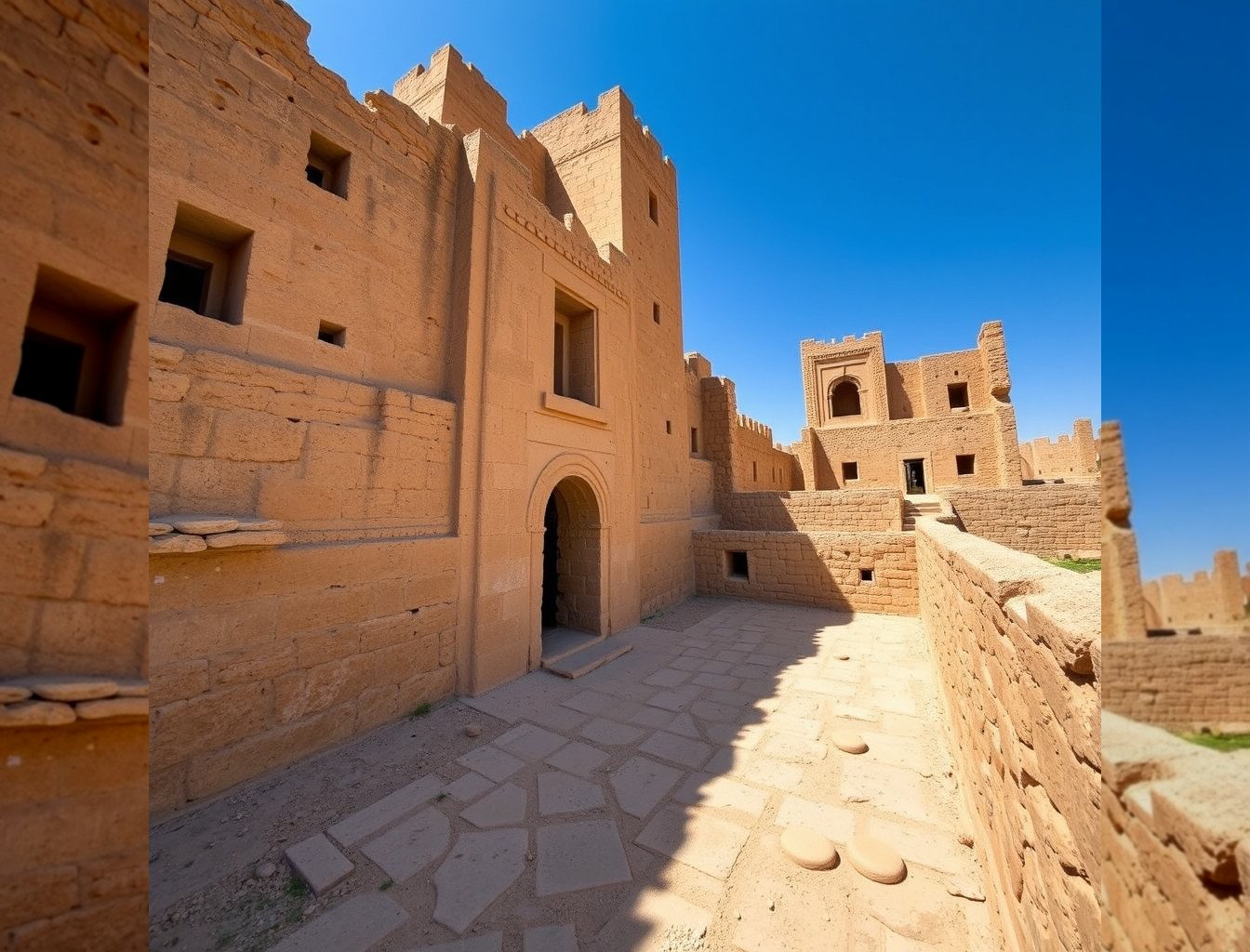
Algeria is betting big on its Berber cultural heritage to boost tourism, a sector that contributes only 1.6 percent of GDP but is seen as a growth lever for young entrepreneurs and returnees from the diaspora. Recently, President Abdelmadjid Tebboune announced plans to include Berber mausoleums from antiquity on Algeria’s tentative list for UNESCO World Heritage status. The move, pushed by Culture Minister Nouria Benghabrit-Remaoun, aims to revive Amazigh sites like the Royal Mausoleums of Numidia in eastern Algeria, which date to the 2nd century BCE.
For Algerian founders and the diaspora, this is more than a cultural nod—it’s an economic signal. Tourism receipts reached $300 million in 2023, per the Ministry of Tourism and Handicrafts, but officials admit the sector is underdeveloped. Berber heritage sites could attract visitors who bypassed Algeria’s traditional sun-and-sea routes, creating opportunities for local guides, agri-tourism startups, and artisan cooperatives. In 2024, the government launched a $50 million fund to upgrade tourism infrastructure, with priority given to eastern regions like Tébessa and Sétif, where ancient Berber ruins sit near rural communities.
The push aligns with Algeria’s broader economic diversification efforts. While hydrocarbons still dominate—accounting for 90 percent of export earnings—Algeria’s tourism strategy now targets niche segments. Berber heritage is central to this pivot. The National Office of Tourism Development (ONT) reports that regions with Amazigh cultural sites saw a 22 percent rise in domestic visitors last year, but international arrivals remain flat. Entrepreneurs from the Kabylie diaspora in France and Canada are watching closely. Many have already invested in eco-lodges and guided tours along the ancient Berber trade routes, but bureaucratic hurdles and limited marketing have capped growth.
A concrete example is the project around the Mausolée Royal de Maurétanie in Tipaza, a site linked to Berber kings of antiquity. Local cooperative “Tassili Voyages” in Béjaïa has run heritage tours for years, but relies on word-of-mouth in Kabylie and diaspora networks. The government’s UNESCO bid could change that by bringing international visibility. “If our sites get listed, we’ll finally have the leverage to negotiate with tour operators,” says Yacine Aït Youcef, founder of Tassili Voyages. He adds that his cooperative employs 15 local guides—mostly young Amazigh speakers—but struggles to scale due to limited access to financing.
The challenge is coordination. The Ministry of Culture, the Algerian Tourism Agency (ANAT), and regional governments must align infrastructure upgrades with market-ready experiences. In 2023, Algeria hosted 2.3 million tourists, per official data, but only 15 percent visited cultural or historical sites outside Algiers and Oran. Berber heritage could shift this balance. The Royal Mausoleums of Numidia alone span three eastern provinces—Jijel, Sétif, and Constantine—each with its own dialect, customs, and artisan traditions. This diversity is an asset, but requires tailored tourism products.
Diaspora investors are already testing models. In 2024, a group of Algerian-Canadians launched “Amazigh Trails,” a platform offering virtual and in-person tours of Berber heritage sites, with profits reinvested in local museums and workshops. Their pilot tour in the Aurès Mountains drew 50 participants, mostly diaspora returnees and cultural tourists. “We’re filling a gap left by big operators,” says co-founder Leïla Amrouche. “These sites tell a story Algeria hasn’t fully told itself.”
Yet, hurdles persist. Road access to many Berber heritage sites remains poor, and signage is often in Arabic only. The government’s $50 million fund aims to address this, but implementation has been slow in remote areas. Entrepreneurs report delays in permits for guided tours and limited training programs for heritage interpreters. “We need standardized training and multilingual materials,” says Amrouche. “Otherwise, we can’t compete with Morocco or Tunisia.”
The UNESCO bid could accelerate change. Algeria submitted a preliminary dossier in 2024 and expects a decision by 2027. If successful, sites like the Mausolée Royal de Maurétanie would gain global exposure, potentially tripling visitor numbers, according to ONT estimates. This would ripple through the economy: local restaurants, transport cooperatives, and souvenir artisans could see demand surge. In 2023, the Aurès region’s informal tourism sector generated $1.2 million in revenue, per a study by the University of Batna, but most profits leak out of the region.
For entrepreneurs, the lesson is clear: heritage tourism is a low-investment, high-impact entry point into Algeria’s diversification strategy. The government is signaling support through the UNESCO bid and funding, but the real work happens on the ground. Startups that combine tech, storytelling, and local partnerships—like virtual reality previews of heritage sites or e-commerce for artisan products—could capture spillover demand from UNESCO-listed attractions. The diaspora, with its cultural ties and capital, is uniquely positioned to bridge the gap between Algerian heritage and global markets.
Key takeaway for entrepreneurs
Algeria’s UNESCO bid for Berber mausoleums could triple tourism revenue in heritage-rich regions, creating demand for guides, lodging, and artisan products. The government’s $50 million tourism fund targets infrastructure upgrades, but entrepreneurs must navigate permits and training gaps. Diaspora-led startups in cultural tourism or e-commerce stand to gain by linking Algerian heritage with global audiences.
Sources
- The Arab Weekly
- The North Africa Journal
- Qantara.de
- HuffPost
- Al Jazeera
- Britannica
💡 Starting a business in Algeria? GlobalStart guides you step by step: procedures, real costs, company forms (SARL, EURL, SPA) and CNRC registration.