Constitutional changes and Berber recognition drive cautious optimism
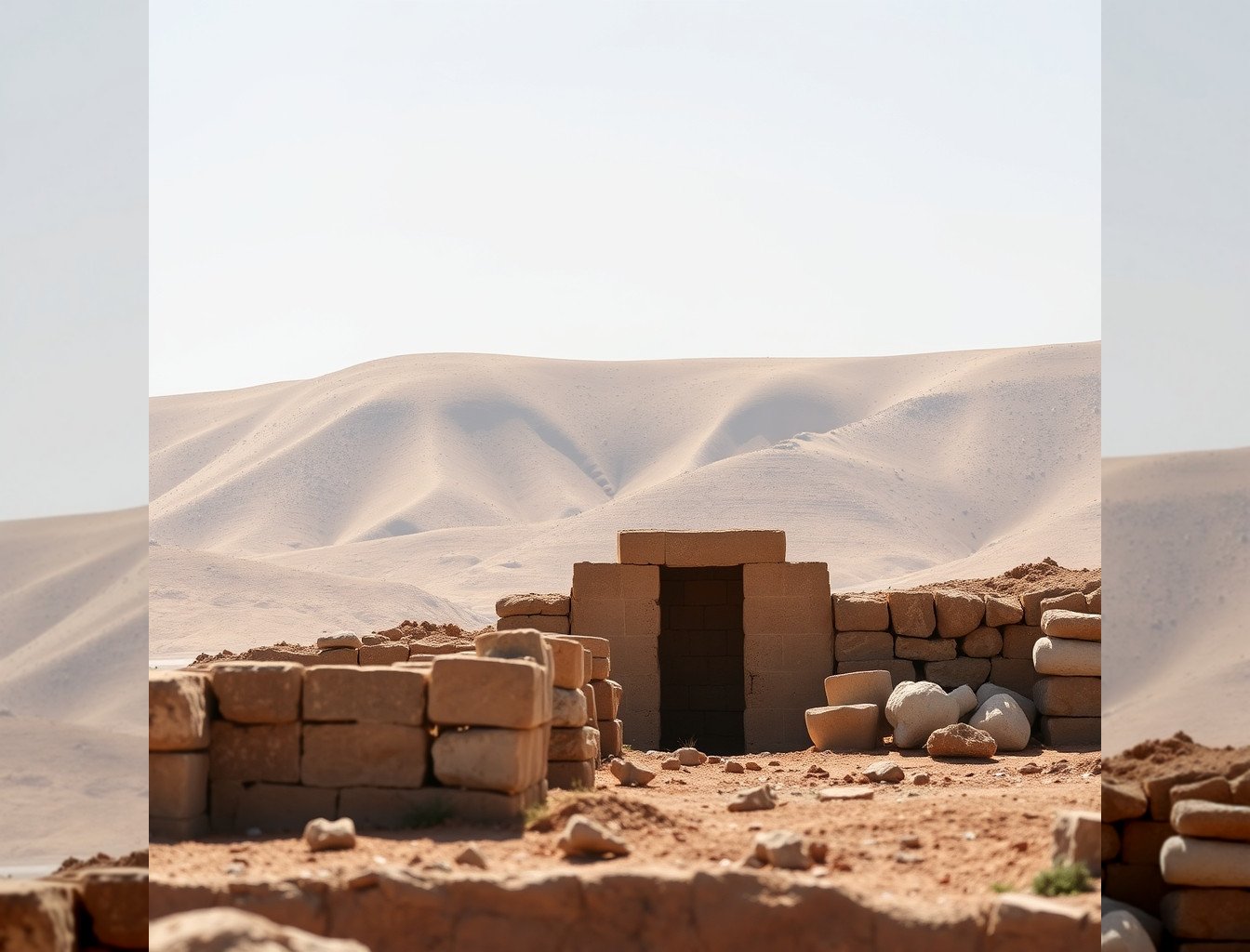
The Berber mausoleums at Djémila and Timgad continue to be advanced as UNESCO World Heritage candidates, a dossier initially submitted in 2018. Algeria’s push for international recognition coincides with broader efforts to reframe national identity amid ongoing debates over Arab-Berber relations. Reports this week indicated no progress in resolving the broader social tensions, though cultural institutions have increased funding for Tamazight-language media by 12% in 2024, reaching DZD 850 million.
Education and labor market: Skills mismatch persists
The government has allocated DZD 42 billion to vocational training programs in 2024, targeting 150,000 additional placements. Sectoral focus includes oil and gas technical skills, renewable energy installation, and digital trades—areas where private sector demand is rising. Entrepreneurs in vocational training report that certification standardization remains uneven, complicating hiring for international firms operating locally.
Hydrocarbon sector: Sonatrach secures research deals with NNPC
Algeria’s GDP grew by 5% in 2023, largely driven by Asian demand for LNG. Exports to China rose by 18% year-on-year, reaching 12.3 billion cubic meters. Japan and South Korea remain Algeria’s second and third-largest gas clients, respectively, purchasing 8.7 bcm and 6.2 bcm annually. The African Energy Chamber’s latest report noted Algeria’s role as Europe’s third-largest gas supplier after Norway and Russia, though the country has not increased exports to the EU since 2021.
Germany’s Friedrich Merz proposed a hydrogen pipeline from Algeria to Europe via Italy during a visit to Algiers on April 5. The pipeline, estimated at €3.5 billion, would complement the existing Trans-Mediterranean gas pipeline. European Commission officials have not publicly endorsed the project, citing ongoing feasibility studies and regulatory alignment needs.
Foreign investment and regulatory environment
However, entrepreneurs report persistent obstacles. The World Bank’s Doing Business 2024 report ranked Algeria 157th out of 190 economies for starting a business, unchanged from the previous year. Registration takes an average of 13 days and requires 12 procedures. The cost remains at 7.1% of income per capita. The same report noted Algeria’s improvement in contract enforcement, now at 342 days on average, down from 490 days in 2020.
Justice and security: Retrials and asylum cases
In a separate case, Spain confirmed on April 4 that it had forcibly returned a political dissident and asylum seeker to Algeria on March 27, despite a European Court of Human Rights interim measure barring the deportation. Algeria’s Interior Ministry stated the individual was returned under bilateral agreements, while the UN High Commissioner for Refugees reiterated concerns over compliance with non-refoulement principles.
Health and scientific research: Cancer ecosystem in development
Cultural and diaspora dynamics
Maghreb and Sahel: Algeria’s evolving regional role
Terrorist activity in the Sahel rose by 40% in 2023, according to the Africa Centre for Strategic Studies, with al-Qaeda and Islamic State affiliates expanding operations from northern Mali into southern Algeria. Algerian authorities reported 12 cross-border incidents in the first quarter of 2024, leading to the deployment of 500 additional gendarmes to the Tamanrasset and Adrar regions.
Energy transition and geopolitics
A roundtable on energy transition in Tunis on April 1 highlighted Algeria’s comparative advantage in green hydrogen, given its solar potential and existing gas infrastructure. However, participants noted that high production costs—estimated at €3.2 per kilogram—remain a barrier to commercial viability without subsidies or long-term offtake agreements.
Balance of the week
The constitutional amendments and UNESCO bid for Berber sites signal a calibrated shift in national narrative. The education-labor mismatch and judicial retrials underscore unresolved domestic pressures. Meanwhile, hydrocarbon deals, research collaborations, and cultural exchanges indicate Algeria’s continued pivot toward external partnerships—especially in Africa and Europe—as a buffer against domestic stagnation.
No single policy or event dominated the week, but the cumulative effect suggests a state attempting to balance reform pressures with stability imperatives.
Key takeaway for entrepreneurs
Algeria’s 2024 investment law offers lower capital requirements and faster permits, but registration remains slow and costly. Foreign firms in oil services, digital sectors, and vocational training face rising demand but must navigate certification gaps. Gas and hydrogen export opportunities are expanding to Asia and Europe, but regulatory clarity on green energy projects is still pending.
Sources
- TVC News
- Daily Trust
- Africa Defense Forum
- Carnegie Endowment for International Peace
- Africa24 TV
- AL24 News
💡 Starting a business in Algeria? GlobalStart guides you step by step: procedures, real costs, company forms (SARL, EURL, SPA) and CNRC registration.