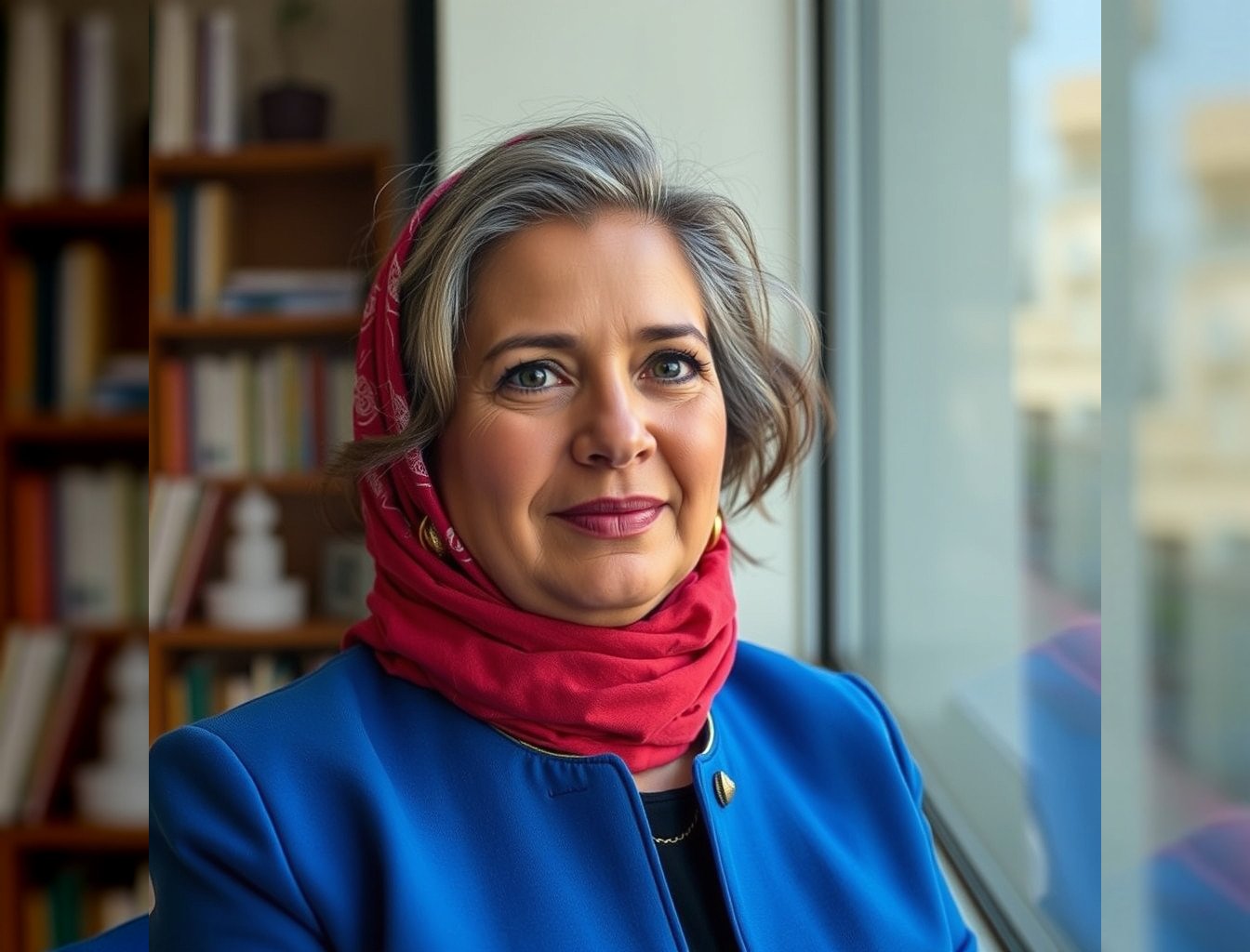
Nabile Farès, the Algerian novelist, poet and playwright whose work explored the complexities of second-generation identity between Algeria and France, died recently, according to Britannica. His literary legacy confronts the cultural and economic tensions faced by Algerian entrepreneurs and founders who straddle dual worlds—balancing heritage with ambition and tradition with innovation.
Farès’s writings, including La Mort de Salah Bey and Un Passager de l’Occident, delve into the psychological and social fractures experienced by those raised between Algeria’s post-colonial struggles and France’s immigrant realities. For Algerian business founders navigating transnational ventures, these themes resonate deeply. Many entrepreneurs in Algeria’s growing tech and startup ecosystem are children of the diaspora who left during the 1990s civil conflict or earlier waves of migration. Like Farès, they often grapple with questions of belonging, inheritance, and purpose—questions that influence their ventures, partnerships, and risk tolerance.
One of the most pressing challenges for these entrepreneurs is access to capital. Algeria’s banking sector remains conservative, with lending heavily collateralized and bureaucratic hurdles stifling innovation. While remittances from the diaspora reached $21 billion in 2023—equivalent to nearly 9% of Algeria’s GDP—these funds often flow into real estate or family support rather than scalable businesses. Farès’s work highlights how cultural identity can either empower or constrain: those who feel fully accepted in both Algeria and their host countries may leverage dual networks to secure funding, talent, or market access, while those feeling estranged may hesitate to invest fully in local ventures.
The absence of a robust venture capital ecosystem further complicates matters. Algeria’s startup funding in 2025 totaled $180 million, according to MAGNiTT—a fraction of Morocco’s $800 million or Egypt’s $1.4 billion. Yet, the diaspora’s potential as angel investors remains underutilized. Programs like Algeria’s Fonds National d’Investissement (FNI) offer grants up to $50,000 for startups, but bureaucratic delays and rigid criteria deter many diaspora founders. Farès’s insistence on the “in-between” space could inspire a new approach: blending Algerian resilience with global best practices to create hybrid funding models.
Culturally, Farès’s emphasis on hybridity offers a blueprint for Algerian entrepreneurs. His characters often embody the negotiation between tradition and modernity—a struggle mirrored in Algeria’s business landscape. For instance, tech founders in Algiers and Oran are pioneering digital solutions for local problems, from fintech for the unbanked to agritech for smallholders. Yet, conservative social norms can limit their market reach. A founder developing a ride-hailing app for women, for example, may face resistance in conservative regions but find traction among younger, urban users. Farès’s work reminds us that such tensions are not weaknesses but fertile ground for innovation.
The Algerian government has taken steps to support entrepreneurship, including the 2022 Loi de Finances which introduced tax incentives for startups. However, implementation lags. The Agence Nationale de Valorisation des Résultats de la Recherche (ANVREDET) connects researchers with investors, but its impact is limited by underfunding. Diaspora entrepreneurs, many of whom are fluent in both Arabic and French, could bridge this gap by partnering with local researchers or serving as cultural translators between investors and founders.
For the Algerian diaspora, Farès’s life is a case study in leveraging dual identities. Many second-generation entrepreneurs have launched successful ventures abroad—such as in France, Canada, or the UAE—before returning to Algeria or investing remotely. Their success stories highlight the importance of networks. Platforms like Algerian Startups or Djazair Entrepreneurs are emerging to connect diaspora talent with local opportunities, but they lack scale.
Farès’s literary exploration of identity also underscores the role of storytelling in business. Algerian founders who articulate their vision—whether through pitch decks, social media, or public speaking—can resonate more deeply with both local and diaspora audiences. This is particularly relevant for sectors like tourism, where cultural narratives drive demand.
Key takeaway for entrepreneurs: Algerian founders with diaspora ties can unlock funding and markets by embracing hybrid identities, but must navigate bureaucratic and cultural barriers. Leveraging remittances for venture capital and partnering with local institutions like ANVREDET could accelerate growth. Farès’s legacy suggests that the most successful entrepreneurs will be those who turn cultural negotiation into competitive advantage.
Sources
- Britannica
💡 Starting a business in Algeria? GlobalStart guides you step by step: procedures, real costs, company forms (SARL, EURL, SPA) and CNRC registration.