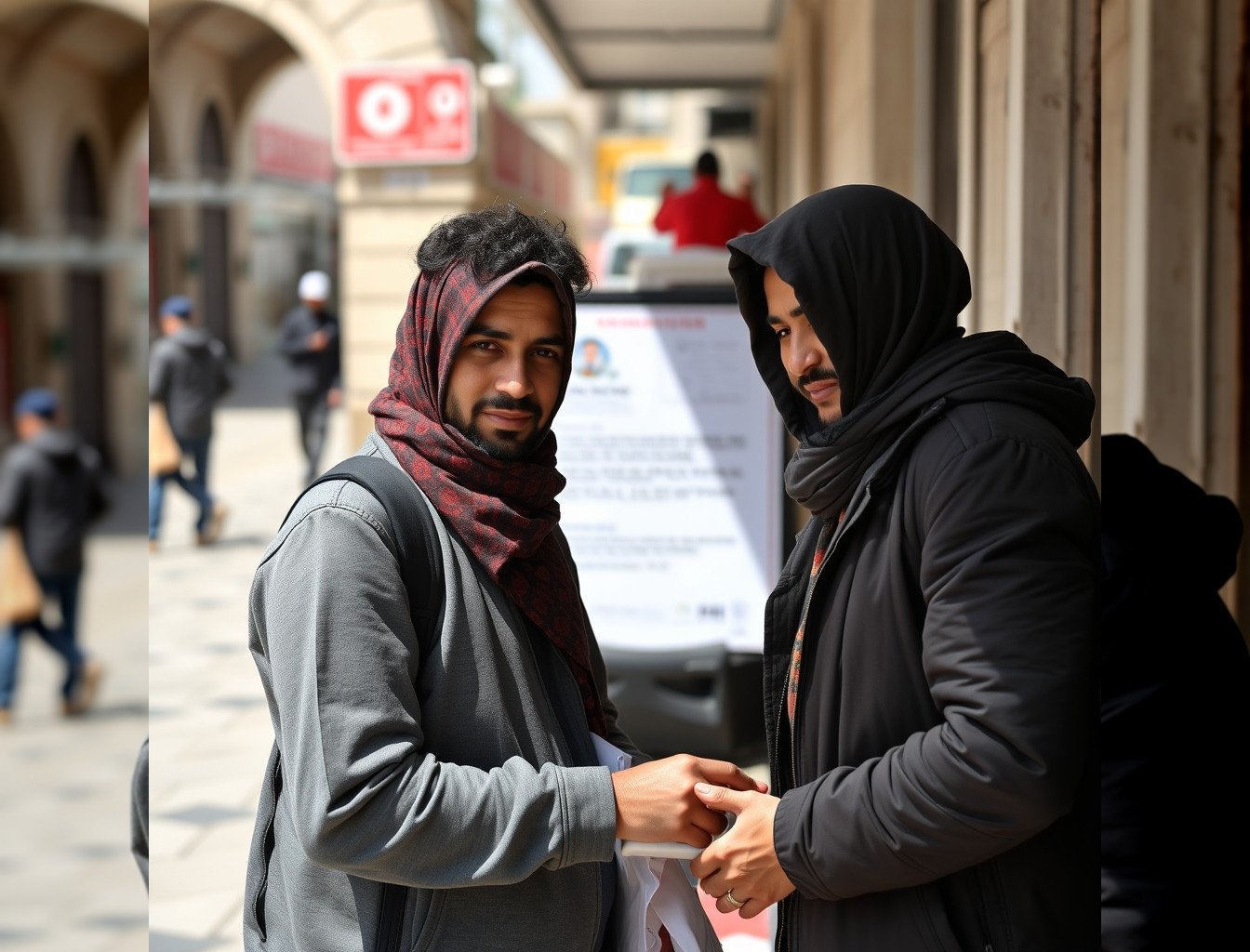
Diaspora remittances ease foreign-exchange strain—but corporate tax pressure mounts
Algeria’s economy remains trapped between two opposing forces: the steady inflow of diaspora funds and the tightening grip of corporate taxation. Remittances from abroad—particularly from France, where Algerian communities have long maintained strong ties—continue to inject liquidity into the system. These transfers, often sent through informal channels or fintech platforms, help offset currency shortages. Yet, the government’s push to formalize financial flows through digital payment systems has introduced new friction.
The digital shift in commercial registration has accelerated company creation. Stamp duty payments for SARL (limited liability companies) now cost just DZD 20,000, down from previous higher thresholds, and processing times have dropped to three days. This streamlining reflects Algeria’s effort to reduce bureaucratic hurdles for entrepreneurs. However, the broader tax environment remains challenging. Corporate tax rates, while not explicitly stated in recent reforms, still weigh on businesses—especially those in food distribution, where systemic fragility persists.
Food security remains a weak point. Recurring crises, tied to import dependencies and supply-chain inefficiencies, expose structural vulnerabilities. The Middle East Institute notes that these shortages are not just logistical but economic, reflecting deeper issues in fiscal management and trade policy. For SMEs operating in agribusiness or retail, the instability creates uncertainty. Meanwhile, the government’s push for digital payments—while modernizing the system—risks excluding smaller players who lack access to formal banking.
Energy pivot opens doors—but geopolitical pricing and industrial alliances complicate entry
Algeria’s hydrocarbons sector is undergoing a subtle but significant shift. The 2026 oil-and-gas licensing round now allows foreign investors to hold up to 49% stakes in gas fields, a notable relaxation compared to past restrictions. This change aims to attract industrial consortia, particularly from Europe and the Gulf, where energy demand remains high. The move aligns with Algeria’s broader strategy to diversify partnerships beyond traditional markets.
Geopolitical tensions, however, introduce volatility. The Carnegie Endowment for International Peace highlights how disruptions in the Strait of Hormuz could ripple into North African energy markets. Algeria, a key transit hub for European gas, must balance its reliance on Gulf supply chains with domestic pricing pressures. For foreign firms eyeing Algerian gas projects, the risk of sudden price swings or diplomatic fallout—such as the 2024 banking blockade with France—remains a deterrent.
Industrial alliances are forming despite these challenges. A new Algeria-Egypt consortium, backed by Egypt’s El-Sewedy family, is exploring investments in Cameroon, with potential spillover into Algerian manufacturing. Spanish and Gulf banks are also deepening ties; Gulf Bank Algeria’s partnership with SINNAD reinforces financial linkages across the Middle East and Africa. Yet, for Algerian SMEs seeking to participate in these value chains, access to credit and cross-border trade remains uneven.
E-commerce stagnation and fintech realignment reshape digital trade
Algeria’s digital economy is at a crossroads. The exit of Jumia, Africa’s largest e-commerce platform, signals stagnation in the sector. Citing a “stagnant market”, the company’s withdrawal leaves a void in online retail, particularly in consumer goods and electronics. The decision reflects deeper issues: limited logistics infrastructure, high last-mile delivery costs, and a preference among Algerian shoppers for traditional markets.
Fintech, however, is filling some gaps. Cross-border transactions with Gulf banks processed DZD 7.6 billion in Q1 2024, indicating strong demand for digital payment solutions. Platforms facilitating remittances—especially from France—have thrived, but regulatory scrutiny is increasing. The government’s push for digital stamp duties and formalized payments suggests an effort to curb informal flows, though enforcement remains inconsistent.
For entrepreneurs, the fintech boom offers opportunities—but also risks. Startups in payments or microfinance must navigate banking restrictions, such as those imposed during the France-Algeria diplomatic row. Those operating in SME trade finance face particular challenges, as traditional lenders remain cautious. Meanwhile, the African Trade Fair’s participation by 20 Togolese SMEs in 2025 underscores Algeria’s role as a regional trade hub, though local digital infrastructure lags behind peers like Morocco or Tunisia.
Press freedom pressures and transport upgrades create uneven playing fields
While Algeria’s economy adapts to digital and industrial shifts, two contrasting trends emerge: tightening press freedoms and improved transport safety. The latter offers a rare bright spot. The government has introduced new road-safety measures, including stricter enforcement of traffic laws and infrastructure upgrades. These changes aim to reduce the high accident rates that have long plagued Algerian highways. For logistics firms and cross-border traders, safer roads could lower operational costs—but only if enforcement is sustained.
Press freedom, however, is deteriorating. ARTICLE 19 and other watchdogs have criticized Algeria for restricting media independence, particularly in economic reporting. This climate affects corporate transparency. Businesses operating in sensitive sectors—such as energy or finance—must navigate selective disclosure risks, where critical scrutiny could lead to regulatory pushback. For foreign investors, the lack of a free press means relying more on government communications, which often emphasize optimism over challenges.
Transport upgrades also intersect with trade. The improved safety measures could boost Algeria’s position as a continental trade gateway, particularly for landlocked neighbors like Mali or Niger. Yet, the digital divide persists: while registration costs for SARLs have fallen, many SMEs still lack the digital tools to capitalize on new trade routes. The Togolese SMEs attending the African Trade Fair highlight Algeria’s potential—but also the gap between policy reforms and on-the-ground implementation.
Key takeaway for entrepreneurs
Algeria’s economy presents contradictions: digital registration costs have fallen, opening doors for startups, but corporate tax pressures and geopolitical risks create instability. The energy sector’s foreign-investment reforms offer new industrial alliances, yet e-commerce stagnation and press restrictions limit transparency. For SMEs, the path forward hinges on adapting to digital shifts, securing fintech partnerships, and navigating regulatory uncertainties—while seizing opportunities in continental trade before infrastructure gaps widen.
Sources
- TechAfrica News
- DataReportal – Global Digital Insights
- atlas-mag.net
- World Nomads
- Middle East Institute
- Carnegie Endowment for International Peace
💡 Starting a business in Algeria? GlobalStart guides you step by step: procedures, real costs, company forms (SARL, EURL, SPA) and CNRC registration.