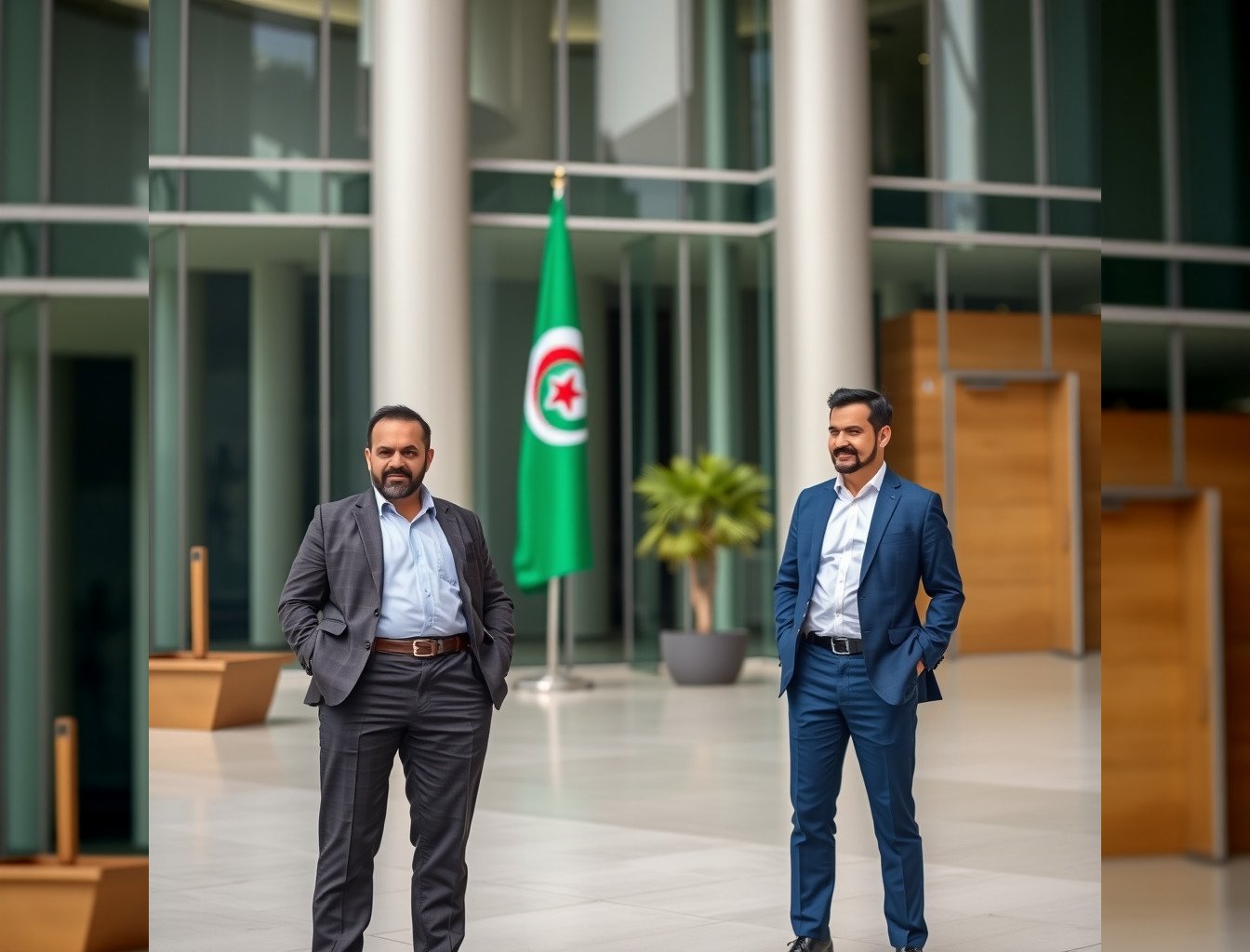
Algeria has mobilized a $1 billion fund to support African startups, signaling a strategic pivot toward technology-driven growth. Announced recently by the Ministry of Knowledge Economy and Startups, the initiative aims to position Algeria as a regional hub for innovation and entrepreneurship. The fund, managed by state-backed institutions including the Algerian Investment Fund and the National Agency for the Development of Startups, targets early-stage companies across fintech, healthtech, and green energy sectors. For Algerian founders and the diaspora, this represents an unprecedented opportunity to scale ventures with regional ambitions.
A $1 billion bet on tech and talent
The $1 billion allocation is unprecedented in Algeria’s recent economic history. According to We are Tech, the fund will be deployed through a mix of grants, low-interest loans, and equity investments. The Ministry of Knowledge Economy and Startups confirmed that 40% of the capital is earmarked for Algerian startups, with the remainder available to ventures from neighboring countries like Morocco, Tunisia, and Senegal. The fund’s structure prioritizes projects with high scalability and job-creation potential, particularly in digital transformation and renewable energy.
For Algerian entrepreneurs, this means access to capital that has historically been scarce outside hydrocarbons. Samir, founder of a fintech startup in Algiers, called the fund “a game-changer.” “We’ve been bootstrapping for years,” he said. “This is the first time we have a real shot at regional expansion without leaving Algeria.” The fund’s terms include simplified application processes and reduced bureaucracy, addressing a long-standing complaint among founders.
Sidi Abdellah becomes Algeria’s AI nerve center
The fund’s launch coincides with the recent establishment of a national AI and cybersecurity start-up cluster in Sidi Abdellah, a technology park near Algiers. The 20-hectare campus, developed by the Agency for the Promotion of Investment in ICT (APIICT), offers subsidized office space, high-speed connectivity, and access to research labs. According to Africa News Agency, the cluster is designed to host 200 startups by 2027, with a focus on machine learning, data security, and automation.
Ali Touati, CEO of Algerian AI firm NeuroLink, said the cluster will help bridge the talent gap. “We spend too much time training teams,” he said. “Here, we can tap into shared resources and collaborate with universities.” The park includes a dedicated cybersecurity lab backed by the National Center for Applied Research in Computer Science (CERIST), which will provide certification and advisory services.
Diaspora entrepreneurs return with new tools
The diaspora, long seen as a source of remittances rather than innovation, is a key target of the fund. The Ministry of Knowledge Economy and Startups has launched a dedicated program, Algerian Global Tech, to attract diaspora founders back to Algeria. The program offers fast-track visas, tax exemptions for the first three years, and co-investment matching up to $200,000 per project.
Fatima Zahra, a software engineer based in Montreal, recently registered her healthtech startup in Oran under the program. “The paperwork was done in two weeks,” she said. “In Canada, it would take months.” Her company, MedTrack, uses AI to streamline hospital inventory management and has already secured pilot agreements with public hospitals in Algiers and Oran.
Sectors and strings attached
While the fund is a positive signal, entrepreneurs should note conditions tied to the capital. Projects must be registered in Algeria and commit to hiring at least 60% local talent within three years. Green energy and healthtech ventures receive additional points in the selection process. The fund also prohibits investments in real estate or retail, steering clear of past distortions in Algeria’s economy.
The fund’s focus on AI and cybersecurity reflects Algeria’s strategic priorities. With neighboring countries investing heavily in digital infrastructure, Algeria risks falling behind. The National AI Strategy, unveiled in 2024, aims to train 10,000 AI professionals by 2027 and reduce cyber threats, which cost Algerian businesses an estimated $300 million annually.
A cautious optimism
Despite the promise, challenges remain. Algeria’s business climate still suffers from slow courts, limited access to foreign exchange, and a risk-averse banking sector. The fund’s success hinges on reducing red tape and ensuring capital reaches founders swiftly. “Money alone won’t fix bureaucracy,” warned Yacine, a serial entrepreneur in Constantine. “We need parallel reforms in customs and foreign currency.”
The African Startup Conference, scheduled for Algiers next month, is expected to unveil further details about the fund’s deployment. Organized by the African Business Angels Network and hosted by Algerian incubator Startup Algeria, the event will showcase 50 startups vying for funding.
Key takeaway for entrepreneurs
Algeria’s $1 billion startup fund offers unprecedented capital access for local and diaspora founders, with a strong focus on AI, cybersecurity, and green tech. Entrepreneurs must register ventures in Algeria, hire locally, and meet scalability targets to qualify. The Sidi Abdellah AI cluster and diaspora-focused programs provide additional support. Success depends on navigating bureaucracy and leveraging the fund’s sectoral priorities.
Sources
- news – Mongabay
- PhocusWire
- wamda.com
- arabnews.jp
- Middle East Forum
- Amnesty International
💡 Starting a business in Algeria? GlobalStart guides you step by step: procedures, real costs, company forms (SARL, EURL, SPA) and CNRC registration.