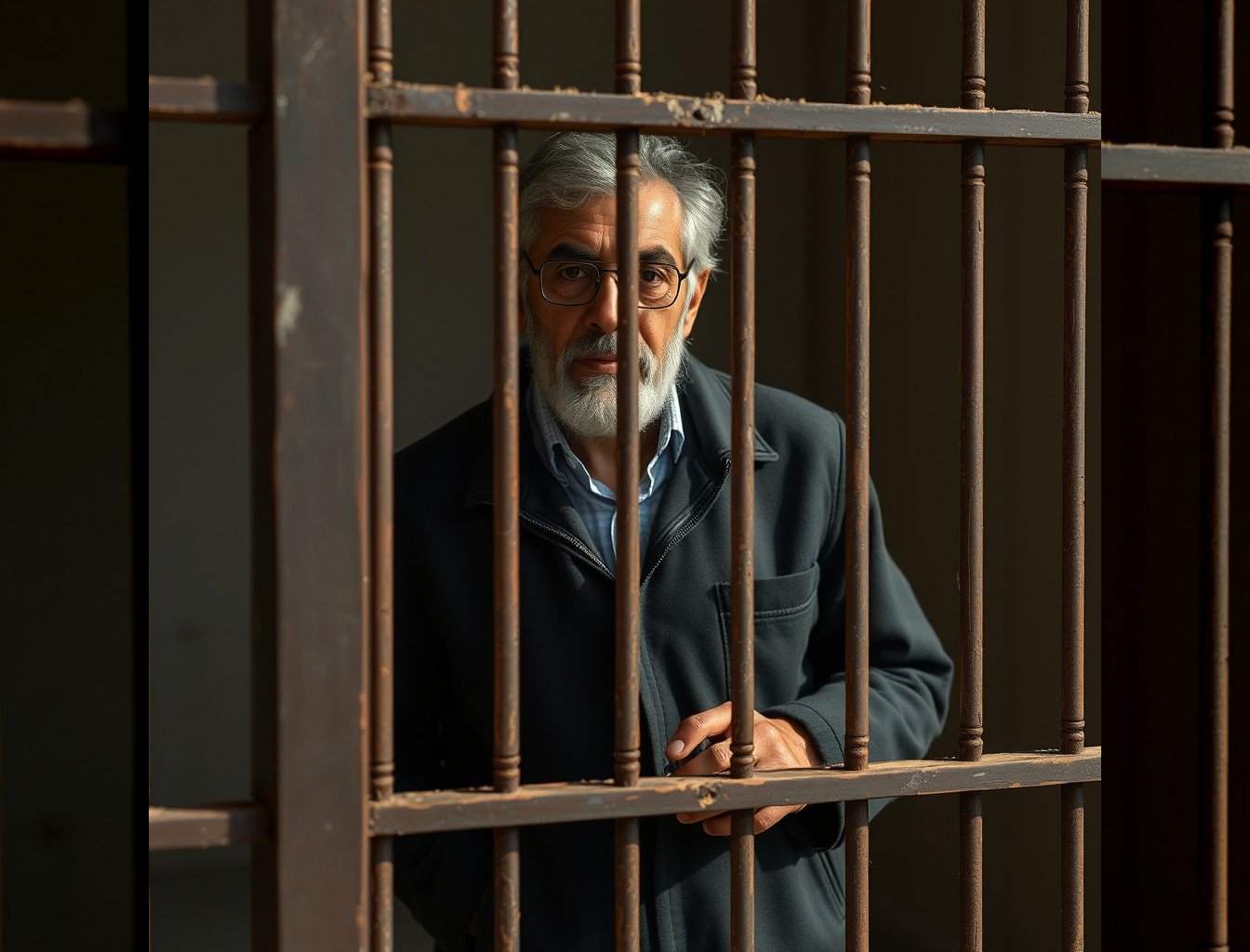
French-Algerian writer Boualem Sansal walked free this week after a year in detention, his release announced by Algerian authorities on Wednesday. The news of his pardon immediately reverberated beyond literary circles, sending signals to entrepreneurs, business founders and the vast Algerian diaspora about the shifting boundaries of civic expression in a nation that has long struggled to balance stability with tolerance.
Sansal, 73, was arrested last year in Algiers on charges related to “undermining national unity” after publishing essays critical of government policies and praising Algeria’s former colonial ruler. His detention drew swift condemnation from French officials and international cultural institutions, with the French Ministry of Foreign Affairs stating that “the freedom to create and debate is essential to democracy.”
Observers note that his release comes as Algeria prepares for a constitutional referendum next month, a process aimed at modernizing state institutions. Reporters Without Borders welcomed the decision, calling it “a positive step for freedom of expression,” though it emphasized that dozens of other writers, journalists and activists remain behind bars under similar charges.
For entrepreneurs and members of the Algerian diaspora, the case underscores the delicate balance between political caution and civic participation in a country where economic reform and social openness often advance in tandem. Algeria’s tech and media sectors, in particular, have grown rapidly in recent years, with startups in Algiers, Oran and Constantine securing record funding rounds. Yet founders in media, publishing and digital advocacy say they still operate within a legal framework that can interpret criticism as a threat to national security.
According to APS, Algeria’s state news agency, Sansal’s release was granted “in the spirit of national reconciliation” following a mediation process involving cultural figures and legal scholars. The pardon does not expunge his conviction, which remains on record, but allows him to resume public life and international travel.
The timing of the decision is significant. Algeria’s economy is under pressure from fluctuating oil prices and the need to diversify beyond hydrocarbons. SONATRACH, the state-owned oil giant, reported a 12% drop in export earnings in 2025 due to global market volatility. In response, President Abdelmadjid Tebboune launched a $20 billion stimulus package aimed at boosting local manufacturing, agribusiness and renewable energy.
Entrepreneurs in Algiers’ emerging tech hubs say they see opportunity in this transition, but caution that a more open public sphere could help attract foreign investment and talent. “A society that allows robust debate is also one that can attract global partners,” said Yacine Zermane, founder of a digital publishing startup in Algiers. “Sansal’s case reminds us all that the rule of law must protect creators, not silence them.”
The Algerian diaspora, estimated at over two million people, has played a crucial role in channeling capital and expertise back to the country. Diaspora investors have funded ventures in fintech, education and green energy, often citing Algeria’s untapped potential and young workforce. “When we see a writer like Sansal freed, it’s a signal that Algeria is open to new ideas again,” said Leila Hammoudi, a Paris-based investor who co-founded a renewable energy cooperative in Oran. “That trust matters when we ask others to believe in our projects.”
Human rights groups remain cautious. Amnesty International reported that Algeria carried out at least 15 mass trials in 2025, resulting in death sentences for 38 defendants, many accused of terrorism-related offenses. Trials were criticized for lack of due process and reliance on confessions allegedly extracted under torture, according to ReliefWeb.
Yet the release of Boualem Sansal—author of such acclaimed works as The Village of the German and Harraga—has been hailed as a rare opening. In a statement, Sansal said he would continue to write “without fear or favor,” a message that resonated with young Algerians online, where clips of his release were shared widely.
For business leaders navigating Algeria’s evolving landscape, the lesson is clear: creativity and critique are not liabilities, but assets in a modern economy. As one Algiers-based entrepreneur put it, “A country that imprisons its poets imprisons its future. A country that frees them unlocks it.”
Key takeaway for entrepreneurs: Algeria’s release of Boualem Sansal signals a cautious but welcome shift toward greater tolerance of dissent, which may ease pressure on media and tech startups. With SONATRACH’s revenues declining and a $20 billion stimulus plan in place, founders in renewable energy, digital services and agribusiness could benefit from a more open public debate. Diaspora investors may see renewed confidence in Algeria’s long-term stability and rule of law.
Sources
- UN Watch
- ABC News & Headlines – Australian Broadcasting Corporation
- The Guardian
- Publishing Perspectives
- ReliefWeb
- Atlantic Council
💡 Starting a business in Algeria? GlobalStart guides you step by step: procedures, real costs, company forms (SARL, EURL, SPA) and CNRC registration.