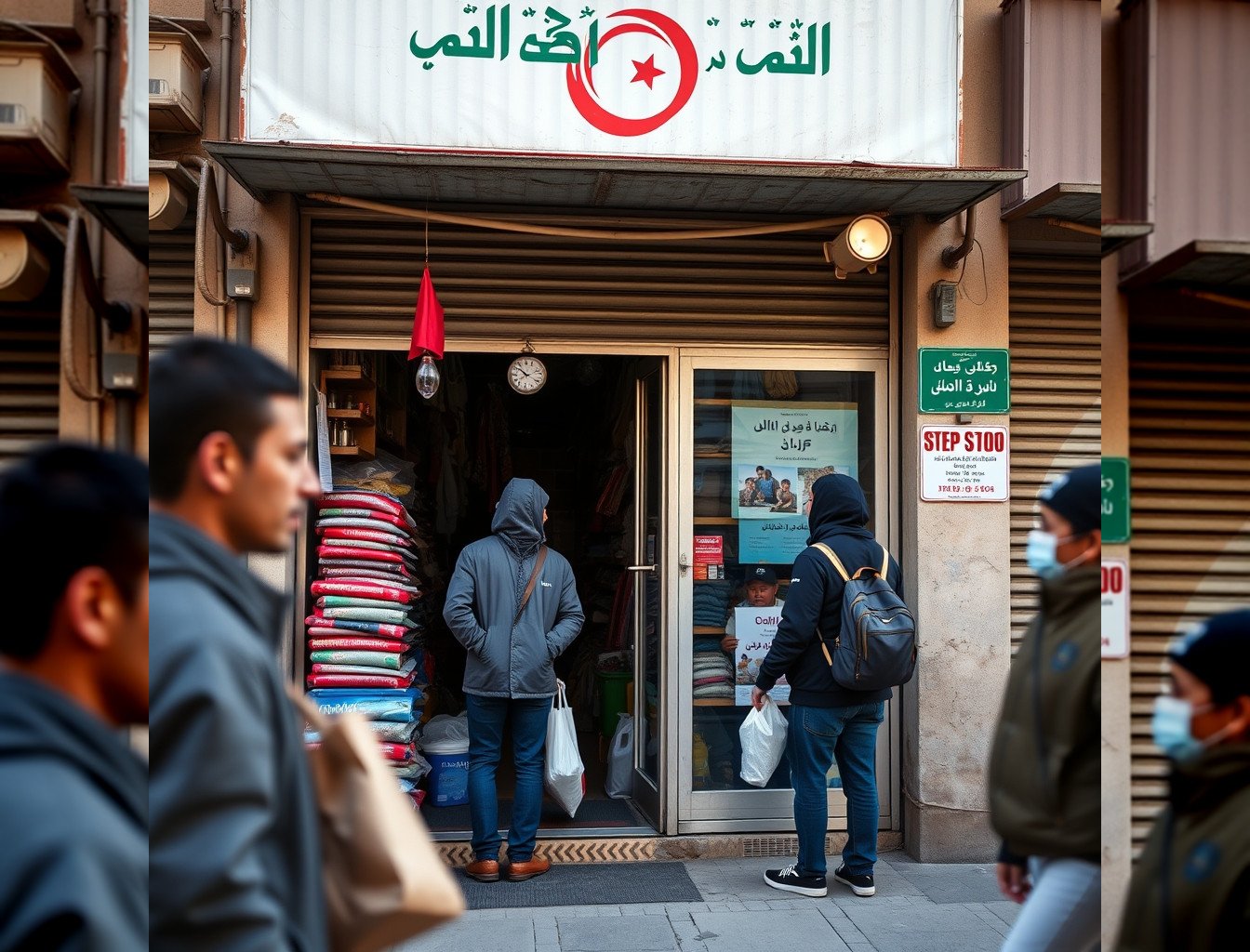
Algeria’s recent wave of migrant raids and mass expulsions is reshaping the informal economy where many foreign business owners operate without legal protections. According to MENA Rights Group, authorities have intensified enforcement in cities like Algiers, Oran and Tamanrasset, targeting undocumented migrants with raids, arbitrary detentions and forced expulsions. The crackdown, which has escalated over recent months, comes alongside a rise in hate speech against migrants from public officials and media outlets.
The consequences for small business founders, particularly in retail, hospitality and construction, are immediate and severe. Many migrant entrepreneurs rely on informal networks to run shops, restaurants or service businesses with minimal regulatory oversight. With police operations disrupting supply chains and business operations, these owners face sudden loss of income, asset seizures and legal jeopardy. The Algerian economy has long depended on migrant labor in sectors such as agriculture, construction and domestic work—roles that remain largely unregulated and vulnerable to policy shifts.
Entrepreneurs from West and Central African countries who manage small-scale enterprises say they have received no clear pathway to legalize their status despite years of operation. One business owner from Bamako, who asked to remain anonymous for safety, told MENA Rights Group that his wholesale shop in Algiers’ popular Bab El Oued district was raided recently. “They took my inventory and shut me down for a week,” he said. “No one explained what crime I committed. Now, customers are afraid to come back.” Such disruptions ripple through local economies, especially in neighborhoods where migrant-run businesses form the backbone of small commerce.
The government’s justification for the crackdown is framed around security and public order, with officials pointing to rising crime and unregulated migration flows. Yet the lack of transparency in enforcement leaves legitimate business owners exposed. Many migrants have lived and worked in Algeria for over a decade, investing savings into shops, cafes or workshops. Without legal status, they cannot access banking services, formal contracts or government support—tools essential for growth and compliance.
Business associations in Algiers report a growing climate of fear among foreign entrepreneurs. The Algerian Chamber of Commerce (CCI) has not issued public guidance on how migrant-owned businesses can regularize their operations or protect their assets. Meanwhile, social media campaigns fueled by nationalist rhetoric have further stigmatized migrant workers, complicating efforts to retain talent or rebuild trust in affected sectors.
For the Algerian diaspora abroad, the crackdown serves as a warning about the instability facing foreign investors and entrepreneurs operating in the country. Many in the diaspora maintain business ties in Algeria, from real estate investments to import-export ventures. The current climate increases the risk of sudden asset losses, disrupted supply chains and reputational harm tied to government actions. Diaspora investors may now face tougher due diligence requirements when engaging with local partners or entering markets dependent on migrant labor.
Key takeaway for entrepreneurs
Migrant-run businesses face immediate operational and financial risks due to recent raids and expulsions. Entrepreneurs without legal status cannot access formal protections, increasing vulnerability in key sectors. Diaspora investors should reassess exposure to Algeria’s informal economy amid rising enforcement and nationalist rhetoric.
Sources
- MENA Rights Group
💡 Starting a business in Algeria? GlobalStart guides you step by step: procedures, real costs, company forms (SARL, EURL, SPA) and CNRC registration.