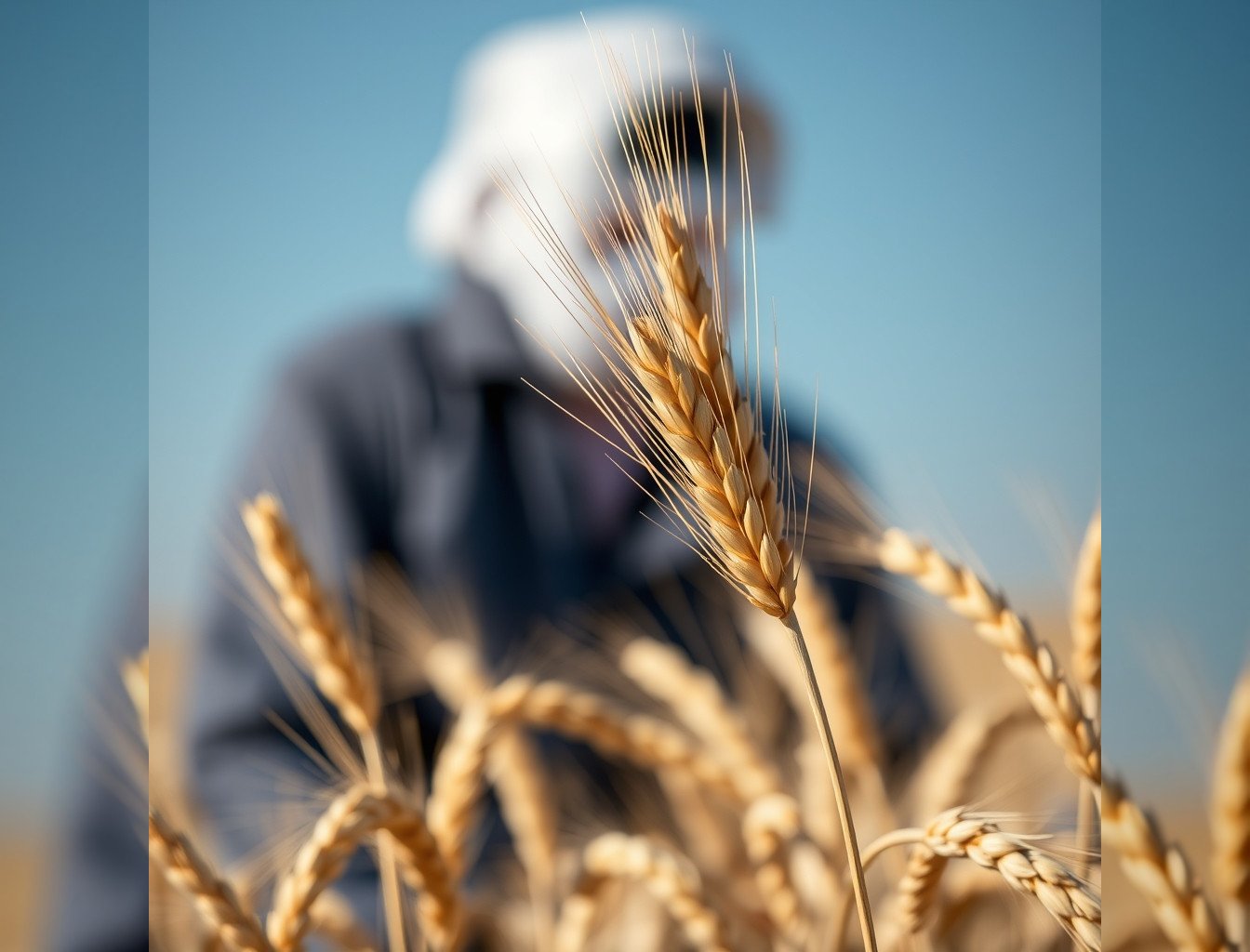
Algeria’s wheat and barley harvest outlook has been reduced as dry conditions and delayed rains cut yields, according to World Grain. The downward revision follows earlier forecasts and adds pressure to a grain sector already shaped by import reliance and recent policy shifts.
Wheat production is now expected to fall below prior estimates, World Grain reports. Official data places the revised wheat harvest at 2.9 million tonnes, down from an initial 3.2 million tonnes. Barley has also been revised lower, to around 0.9 million tonnes compared with an earlier 1.1 million tonnes. These figures mark a notable reduction and underscore vulnerability in domestic output ahead of the 2023–24 marketing year.
Rainfall delays in key cereal regions such as Sétif, M’sila and Bordj Bou Arréridj have compounded the impact. Algeria’s cereal belt—centered in the high plateaus—relies heavily on adequate winter and spring rains. With planting and growth phases disrupted, farmers face lower yields per hectare and higher production costs for irrigation and drought mitigation.
The government’s grain strategy has long balanced domestic production with strategic imports. Algeria is one of the world’s largest wheat importers, sourcing mainly from France, Russia and Ukraine in recent seasons. Despite efforts to boost local farming through subsidies and mechanization, cereal self-sufficiency remains below 50 percent for wheat and even lower for barley.
According to World Grain, the agriculture ministry has acknowledged the shortfall and indicated readiness to adjust import plans. Official channels are expected to finalize procurement volumes in the coming weeks, aligning supply with demand ahead of the national flour supply cycle.
For local millers and food processors, the tighter domestic supply raises immediate costs. Algeria’s food industry—including pasta, bread and semolina producers—relies on predictable grain flows. A reduced harvest increases import volumes and exposes businesses to fluctuations in global grain prices, freight costs and currency movements. Smaller processors may face tighter margins, while larger groups with diversified sourcing could absorb some pressure.
The diaspora play a role in circulating capital and knowledge that indirectly supports local agribusiness. Remittances from Algerian communities abroad help finance equipment purchases and training for farmers, especially in remote cereal zones. However, the current production shortfall highlights the need for diaspora investors to direct funds toward irrigation infrastructure and drought-resistant seed programs—areas where Algeria still trails regional peers.
Policy signals add another layer. The government has tightened wheat import controls in 2023, prioritizing state agencies and limiting private sector purchases. While intended to stabilize prices and reserves, the measure reduces trading windows for entrepreneurs who traditionally act as intermediaries between importers and local buyers. Entrepreneurs in the milling, logistics and retail segments will need to align their contracts and inventory cycles with the new procurement calendar.
Looking ahead, Algeria’s grain outlook depends on late-summer rains and the success of late-planted hectares. Winter cereals are already in the ground, but spring plantings may yet adjust depending on soil moisture. Meteorological authorities are monitoring conditions closely, though forecasts remain cautious.
Key takeaway for entrepreneurs
Entrepreneurs should prepare for tighter domestic grain supplies and higher import reliance in 2023–24. Adjust procurement strategies to align with state-controlled import windows and secure contracts early. Diaspora investors may find opportunities in irrigation and seed technology to strengthen local resilience.
Sources
- World Grain
💡 Starting a business in Algeria? GlobalStart guides you step by step: procedures, real costs, company forms (SARL, EURL, SPA) and CNRC registration.