Recap: Three trends dominate the week
Agriculture faced acute stress. Drought halted livestock herding in southern regions. Wildfires in northern Algeria and Tunisia destroyed farmland and forced evacuations.
Civil society and human rights drew international scrutiny. The UN condemned the deportation of activist Nassera Dutour and the abduction of an Algerian refugee in Tunisia. Reports highlighted repression of families of the disappeared.
Energy: Fossil fuels and renewables move in parallel
Algeria set a $25 billion investment goal for hydrogen production by 2040. The government aims to produce 10 gigawatts of green hydrogen annually. Current production is near zero. The plan includes partnerships with European firms. Germany and Italy have expressed interest in Algerian hydrogen exports.
The Medlink interconnector project secured Italian support. The 600-kilometer cable will link Algeria, Tunisia, and Italy. Capacity: 600 megawatts. Completion target: 2028. The project will integrate North African renewable energy into the European grid.
Algeria’s renewable energy sector remains underdeveloped. Installed solar capacity: 423 megawatts. Target for 2030: 15,000 megawatts. The government launched a new regulatory framework in 2023 to attract private investment. Foreign firms face restrictions on majority ownership in energy projects.
Agriculture: Drought and fire disrupt supply chains
Wildfires in northern Algeria and Tunisia burned 15,000 hectares of farmland. Olive and fruit orchards in Béjaïa and Jijel were hardest hit. The government deployed 5,000 firefighters and military aircraft. Economic losses: $40 million. Tunisia reported 30 deaths.
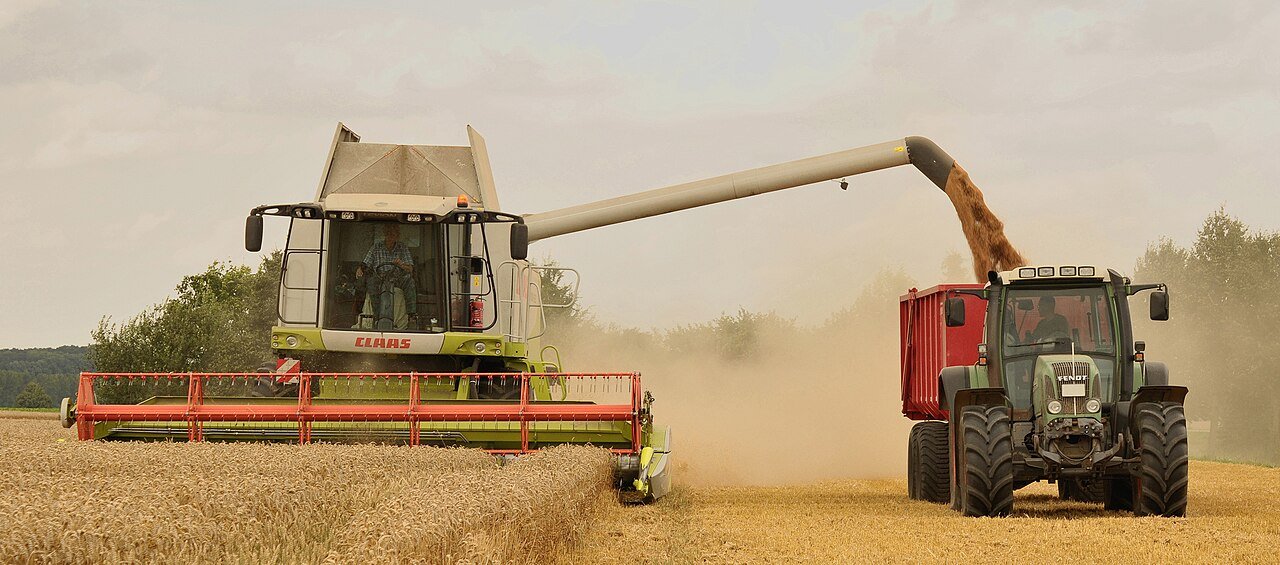
The agriculture ministry revised its 2024 cereal production forecast downward. Initial estimate: 5 million tons. Revised estimate: 3.8 million tons. Algeria imports 70% of its wheat. Global wheat prices remain volatile after Russia’s withdrawal from the Black Sea grain deal.
Economic outlook: Oil dependence persists
The central bank’s foreign reserves fell to $60 billion in June. Down from $65 billion in January. The government imposed import restrictions in 2023 to preserve reserves. Non-hydrocarbon exports: $5.2 billion in 2023. Target for 2024: $6 billion.
The 2023-2027 industrial strategy allocates $20 billion to non-hydrocarbon sectors. Priority areas: pharmaceuticals, agribusiness, and digital services. The government offers tax exemptions for startups in these sectors. Foreign direct investment in non-energy sectors: $1.2 billion in 2023. Up from $800 million in 2022.
Heritage and tourism: Potential and constraints
The tourism ministry simplified visa procedures in 2023. Visa-on-arrival now available for 30 countries. Algerian diaspora visits accounted for 40% of tourist arrivals. The government offers tax incentives for diaspora investments in hotels and restaurants.
UNESCO added Rai music to its Intangible Cultural Heritage list. The genre originated in Oran in the 1920s. Rai festivals in Algeria and France generate $10 million annually in ticket sales and merchandise. The government plans a Rai museum in Oran.
Civil society: Rights violations draw international attention
Tunisian authorities abducted an Algerian refugee and rendered him to Algeria. The UN High Commissioner for Refugees confirmed the case. The refugee, a member of the Rachad opposition movement, was seized in Tunis in June. Algeria has not commented.
The UN also expressed concern over Algeria’s treatment of families of the disappeared. The government has not released data on the 8,000 people who disappeared during the 1990s civil war. Families report harassment by security forces.
Diaspora engagement: Sports and diplomacy
Algeria’s national team drew global attention ahead of the 2026 World Cup. Clashes between Algerian and Argentinian fans in New York and Boston led to 15 arrests. The Algerian Football Federation issued a statement urging fans to avoid violence. Sponsorship deals for the team: $30 million in 2023. Main partners: Sonatrach, Air Algérie, and Cevital.
Week’s highlights: A mixed balance
Agriculture: Drought and wildfires disrupted supply chains. Meat and cereal prices rose. The government’s emergency measures had limited impact.
Economy: Oil dependence remains the primary risk. Non-hydrocarbon sectors showed modest growth. The 2023-2027 industrial strategy offers incentives for startups.
Civil society: International criticism of rights violations continued. The UN’s condemnation of deportations and abductions may affect Algeria’s diplomatic standing.
Diaspora: Sports and economic forums drove engagement. Remittances and tourism revenues rose.
Key takeaway for entrepreneurs
Sources
- Transnational Institute
- Schroders
- Muslim Network TV
- EnterpriseAM
- The North Africa Post
- Carnegie Endowment for International Peace
💡 Starting a business in Algeria? GlobalStart guides you step by step: procedures, real costs, company forms (SARL, EURL, SPA) and CNRC registration.