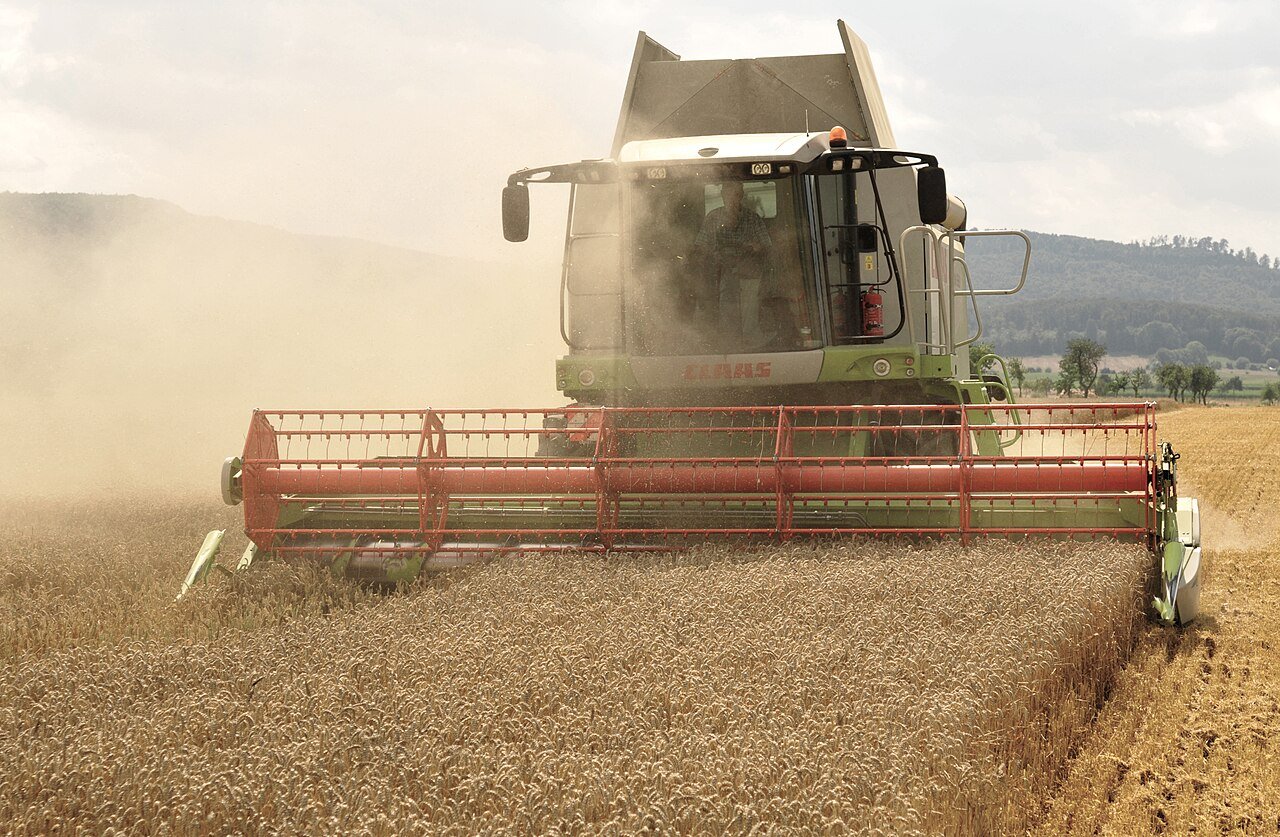
This week, wildfires scorched over 18 000 hectares in northern Algeria, according to the Civil Protection Directorate. The fires, concentrated in the wilayas of Bejaia, Tizi Ouzou, Jijel and Bouira, destroyed 12 000 hectares of forest and 6 000 hectares of agricultural land, including olive groves, fruit orchards and cereal fields. Satellite data from the European Forest Fire Information System (EFFIS) confirmed the scale, ranking Algeria among the five most affected Mediterranean countries in 2023.
The fires reached the outskirts of villages such as Toudja in Bejaia, where 250 families lost homes and livestock. Local authorities evacuated 1 200 people; one fatality was reported in Tizi Ouzou. The Ministry of Agriculture and Rural Development activated emergency protocols, dispatching 30 water-bombing aircraft and 5 000 firefighters. President Abdelmadjid Tebboune convened a crisis meeting on 26 July, ordering the release of 5 billion dinars (36 million USD) for immediate relief and reconstruction.
Crop losses hit smallholders hardest
The Ministry of Agriculture estimates that 8 000 farming families face immediate income loss. The National Office of Agricultural Development (ONDA) has begun distributing 2 000 tonnes of animal feed and 500 000 litres of drinking water to affected herders. However, compensation procedures remain slow; farmers must submit damage assessments to wilaya offices within 15 days, a tight deadline given the destruction of local records.
Supply chains disrupted, prices rise
Exports are also affected. Algeria shipped 25 000 tonnes of olive oil in 2022, primarily to Spain, Italy and France. The National Agency for the Promotion of Foreign Trade (ALGEX) has warned that 2023 export volumes could drop by 30 %, costing the country 45 million USD in lost revenue. Entrepreneurs in the agri-export sector, such as Oran-based exporter AgroDz, have begun sourcing olives from western wilayas like Mascara and Relizane, but transport costs have increased by 15 % due to longer routes.
Insurance gaps leave entrepreneurs exposed
The government has announced a 50 % subsidy on insurance premiums for farmers in fire-affected wilayas, but the measure applies only to new policies. Existing policyholders, such as those with CAAT, must negotiate individual claims. The process is cumbersome; farmers must provide pre-fire photographs, land deeds and production records, many of which were destroyed in the fires.
Diaspora investment at risk
The fires have also disrupted diaspora-led initiatives in eco-tourism and organic farming. In Bejaia, the “Green Kabylie” project, a 2-million-euro venture funded by Algerian expatriates in Belgium, lost 80 hectares of organic fig and pomegranate orchards. The project’s coordinator, Nadia Larbi, stated that “we had just secured EU organic certification. Now, we’re starting from scratch.”
Reconstruction plans focus on resilience
Entrepreneurs can access these loans for up to 10 million dinars (72 000 USD) per project, with a repayment period of 15 years. The BNA has also waived collateral requirements for loans under 5 million dinars, a measure aimed at smallholders. However, bureaucratic delays persist; the BNA’s Bejaia branch reports that only 20 % of loan applications have been processed since the fires.
Tech startups step in with solutions
The fires have also accelerated interest in climate-smart agriculture. The National Institute of Agronomic Research (INRAA) is testing heat-resistant olive varieties, such as “Chemlal” and “Sigoise,” in fire-affected zones. INRAA’s director, Dr. Fatima Zohra Benbrahim, stated that “these varieties can withstand temperatures up to 45°C and require 30 % less water.”
Key takeaway for entrepreneurs
Wildfires have destroyed 6 000 hectares of agricultural land, disrupting olive oil and fruit supply chains and pushing prices up 25 %. Entrepreneurs can access low-interest loans from the Agricultural Bank of Algeria for reconstruction, but insurance coverage remains limited. Agri-tech startups offer digital tools for damage documentation, while climate-resilient crops present new investment opportunities. Diaspora investors should prioritize fire-resistant infrastructure and diversify supply sources to mitigate future risks.
Sources
- Pulitzer Center
- Al Jazeera
💡 Starting a business in Algeria? GlobalStart guides you step by step: procedures, real costs, company forms (SARL, EURL, SPA) and CNRC registration.