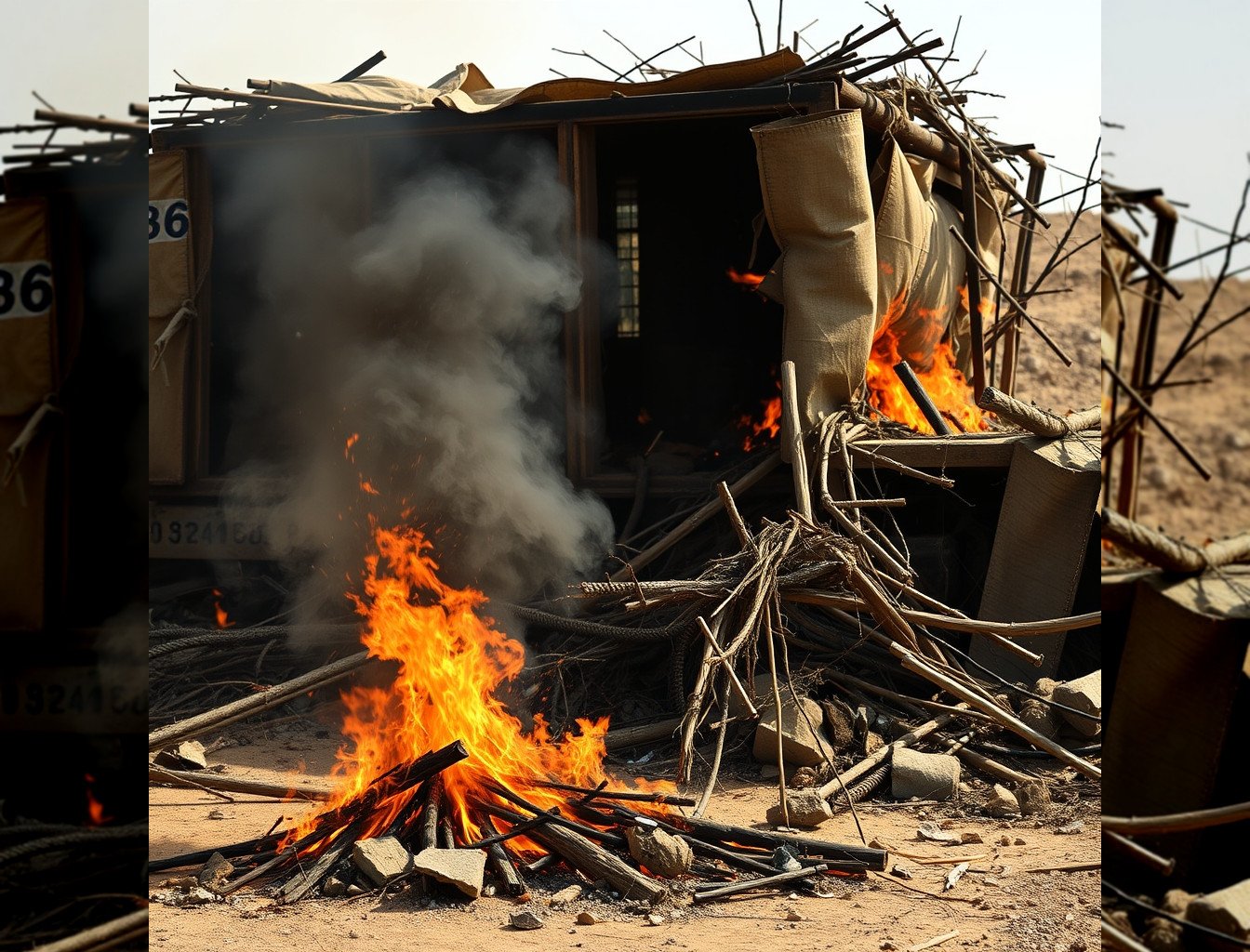
Algeria’s wildfires have exposed a critical vulnerability in the country’s water infrastructure, forcing Minister of Water Resources Lounes Bouzegza to order an emergency mobilization. The move comes as authorities scramble to restore drinking water for affected residents while assessing damage to pipelines, reservoirs, and treatment plants. For entrepreneurs, business founders, and the Algerian diaspora, the crisis highlights both immediate risks and long-term opportunities in a sector already under pressure.
A race against time for water security
For businesses relying on stable water access, the stakes are high. Industries from pharmaceuticals to food processing—key exports for Algeria—depend on uninterrupted water flows. Even minor disruptions can trigger production halts, delayed shipments, and lost revenue. In 2025, Algeria’s water-intensive sectors contributed $8.2 billion to GDP, per World Bank data, making resilience a non-negotiable priority.
Supply chain risks for exporters and local firms
The Algerian diaspora, particularly those with family-owned businesses in water-dependent sectors, may need to prepare for delayed remittances or supply chain bottlenecks. Many SMEs in Europe and North Africa rely on Algerian raw materials or components, and any disruption could ripple outward.
Infrastructure repair: a hidden market opportunity
Entrepreneurs with expertise in water treatment, pipeline maintenance, or emergency response systems could position themselves as key players. The government has shown willingness to engage private firms in past projects, such as the $1.2 billion desalination plants launched in 2023. A similar approach could emerge post-fires, creating demand for innovative solutions—from smart leak detection to temporary water storage systems.
Diaspora businesses face indirect fallout
The crisis also underscores the need for diaspora networks to diversify sourcing. Relying solely on Algeria for water-intensive goods—like dates, textiles, or pharmaceutical intermediates—poses a growing risk. Those who have already hedged by working with Mediterranean or North African alternatives may weather disruptions better than those locked into Algerian-only supply chains.
Regulatory shifts could reshape water-related businesses
For startups, this could mean a surge in demand for water-efficient solutions, from drip irrigation for farmers to industrial wastewater treatment. The Algerian market, though protected by tariffs, has shown growing openness to foreign investment in green tech, particularly from Gulf and European firms. Local entrepreneurs who can offer cost-effective, scalable solutions may gain an edge.
Key takeaway for entrepreneurs
Sources
💡 Starting a business in Algeria? GlobalStart guides you step by step: procedures, real costs, company forms (SARL, EURL, SPA) and CNRC registration.