Algeria’s week: energy, water, tourism and IMF warnings
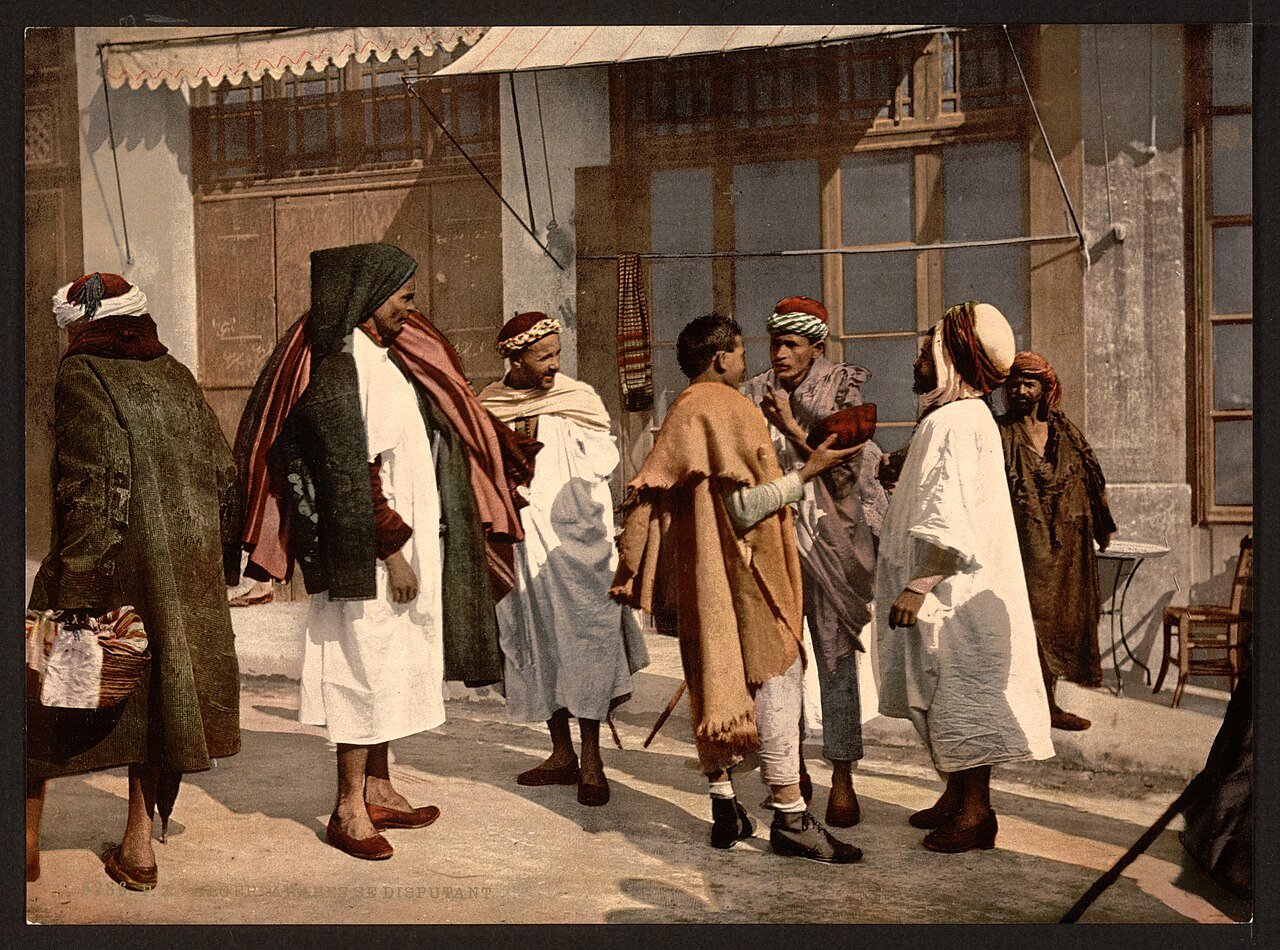
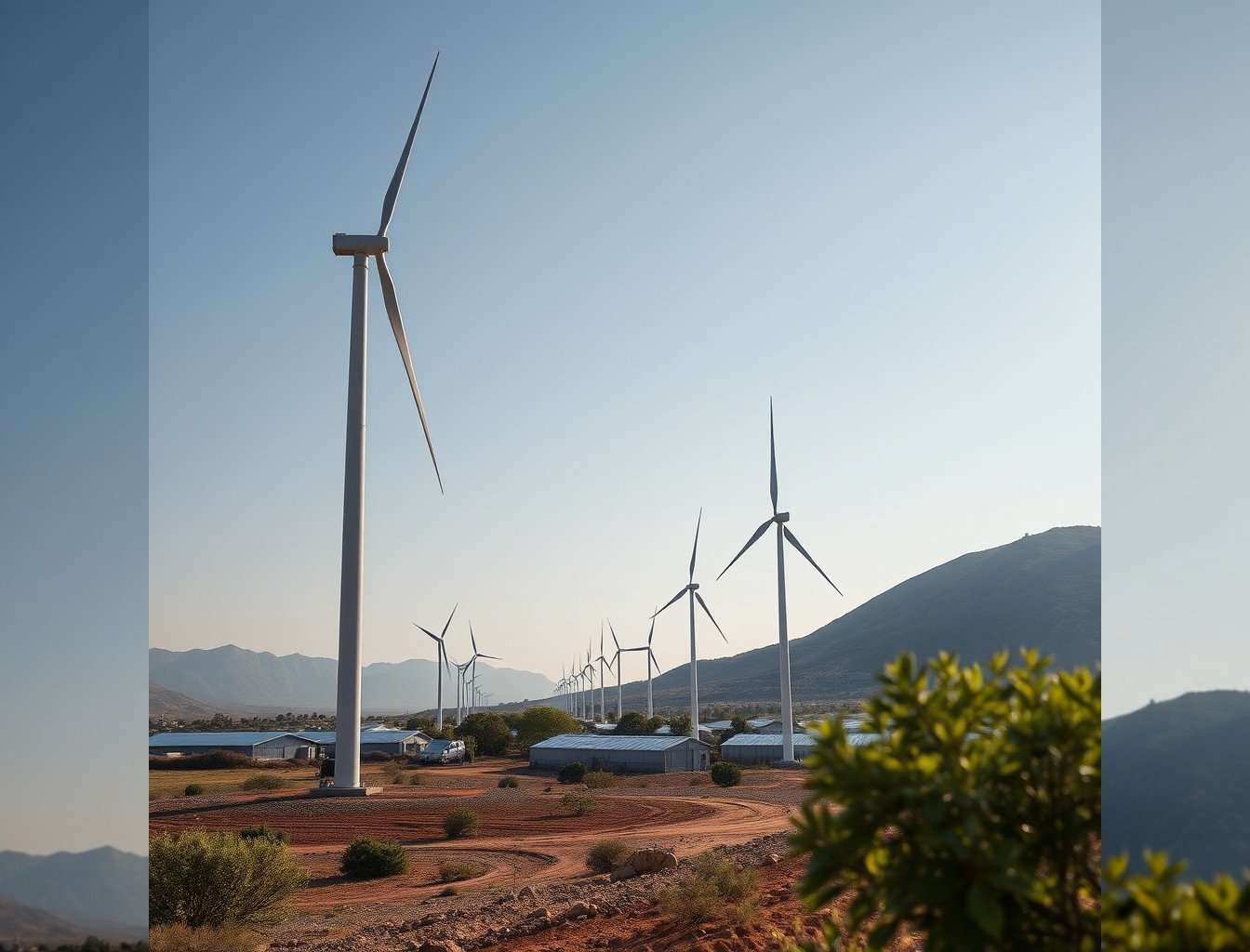
Energy and water security dominate Algeria’s economic agenda In parallel, Sonatrach reported three new oil and gas discoveries in the Berkine and Illizi basins. Combined reserves estimate 1.2 trillion cubic feet of gas and 50 million barrels of condensate. These finds follow Algeria’s 2023 pledge to increase gas exports to Europe by 30% by 2027, … Read more
Algeria’s southern oases fight for heritage and economy

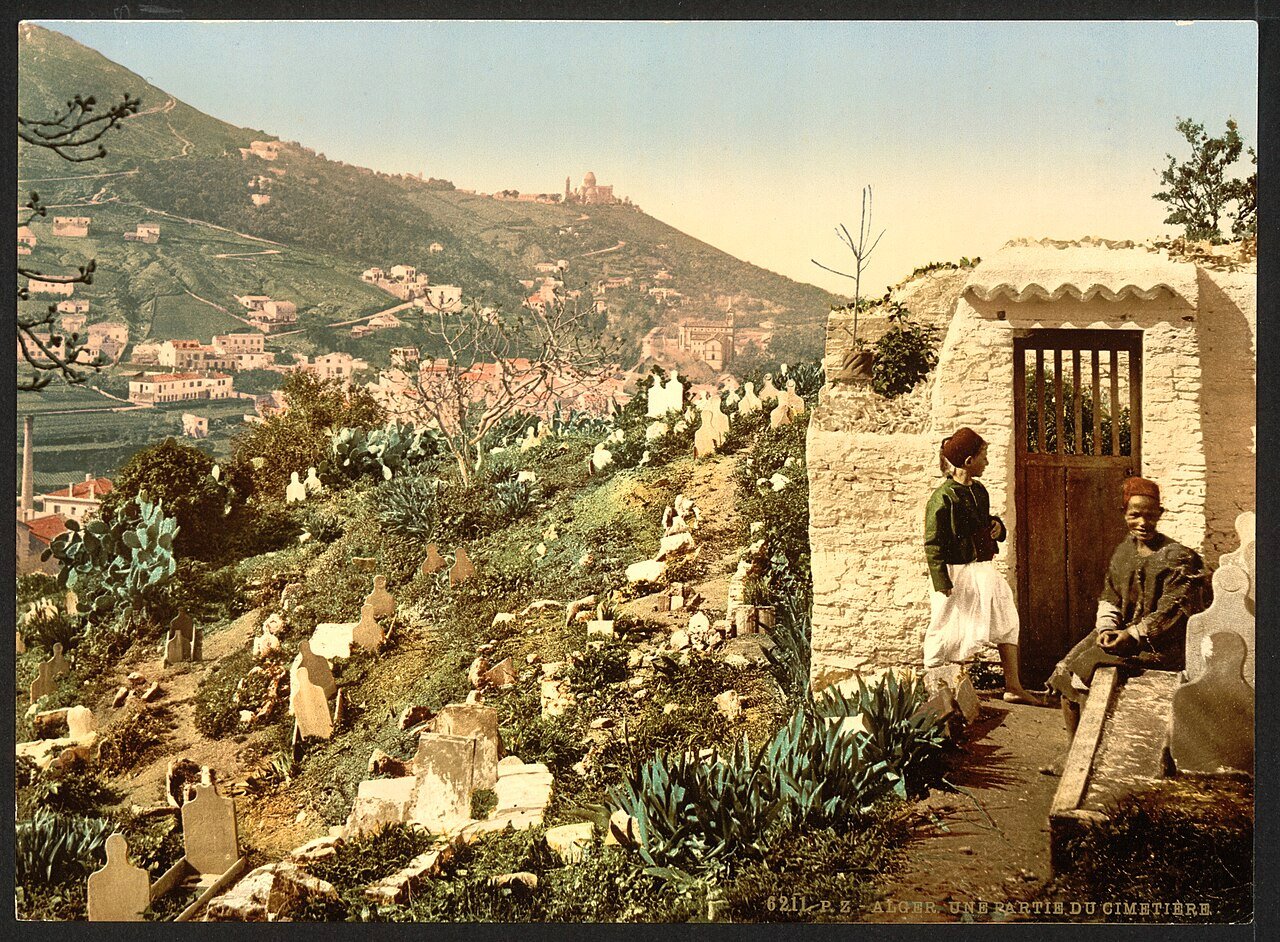
The oasis towns of southern Algeria are making their voices heard. According to Africa Is a Country, local communities in places like Timimoun, Adrar, and Djanet are pushing back against decades of neglect and mismanagement that threaten their cultural and economic lifelines. The article highlights how the preservation of Saharan oasis heritage is no longer … Read more

Tuareg festival revival sparks Algerian desert tourism

The annual Festival of the Sahara in Djanet, a remote oasis town in Algeria’s Illizi province, has become a magnet for Tuareg communities and international travelers alike. According to Al-Monitor, this year’s edition in late July drew thousands of visitors, including nomadic groups from Niger, Mali, and Libya, who gathered for traditional music, camel races, … Read more

Algeria’s economic signals and sector shifts

This week’s developments in Algeria reflect three core trends: heightened state intervention in key sectors, persistent structural economic weaknesses, and new opportunities in energy and infrastructure. The government tightened control over football, tourism, and trade while facing IMF criticism over GDP inflation and lack of diversification. Energy projects advanced, real estate and pharmaceutical ties expanded, … Read more

Algeria pushes EU for revised trade terms

Algeria has launched a diplomatic campaign to renegotiate its Association Agreement with the European Union, arguing that the current deal, in place since 2005, has failed to deliver promised economic benefits. According to Al Majalla, Algerian officials have presented Brussels with a set of demands aimed at rebalancing trade flows, securing better market access for … Read more

Gender-based violence shelters still missing in Algeria

Algeria’s failure to establish national shelters for survivors of gender-based violence after 22 years of promises is more than a humanitarian shortcoming—it is a drag on the economy, a barrier to female workforce participation and a deterrent to diaspora investment. Amnesty International’s latest report, published this week, confirms that survivors of domestic abuse continue to … Read more

Algeria’s week: energy shifts, climate risks and policy warnings

Headline recap Food Security & Climate Vulnerability Demographic data from HESPRESS English showed fertility rates in Algeria at 2.5 children per woman in 2024, down from 3.0 in 2015. The National Office of Statistics (ONS) attributes the decline to rising urbanization and delayed marriages, with projections indicating a fertility rate of 2.1 by 2030. Analysts … Read more

Algeria powers Europe’s energy shift

Algeria has become the third-largest supplier of natural gas to the European Union, delivering 35 billion cubic metres in 2025, according to Modern Diplomacy. The figure represents a 22 % increase over 2023 and cements the country’s position as a critical alternative to Russian pipeline gas. Entrepreneurs in Algiers, Oran and the diaspora are watching … Read more

Algeria’s $25bn defence budget reshapes business landscape

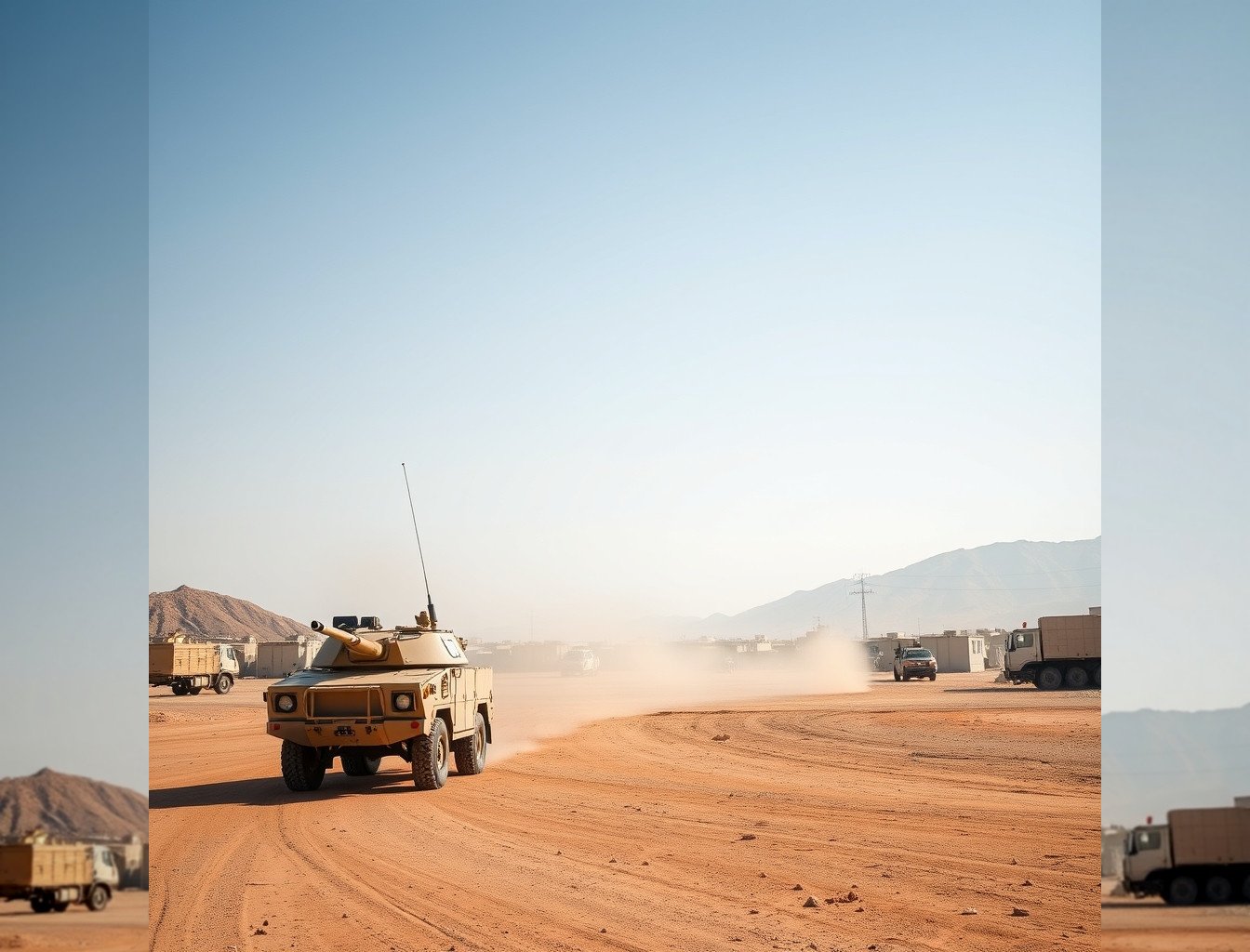
Algeria’s 2026 budget confirms defence as the single largest annual expenditure, allocating at least $25 billion to military spending, according to The New Arab. The figure, which exceeds Morocco’s entire defence budget by more than $10 billion, marks the fifth consecutive year Algeria has led North Africa in arms procurement. Yabiladi.com reports that the 2024 … Read more

Algeria’s week – energy, water, IMF warnings, football bans

Algeria’s economic and political landscape shifted on multiple fronts this week. Energy projects advanced with China and Europe, while the IMF issued warnings on structural failures. Water security became a priority with new desalination contracts. Football regulations tightened, and counterterrorism operations continued in the south. Tourism and transport infrastructure saw incremental progress. Energy: China’s expanding … Read more