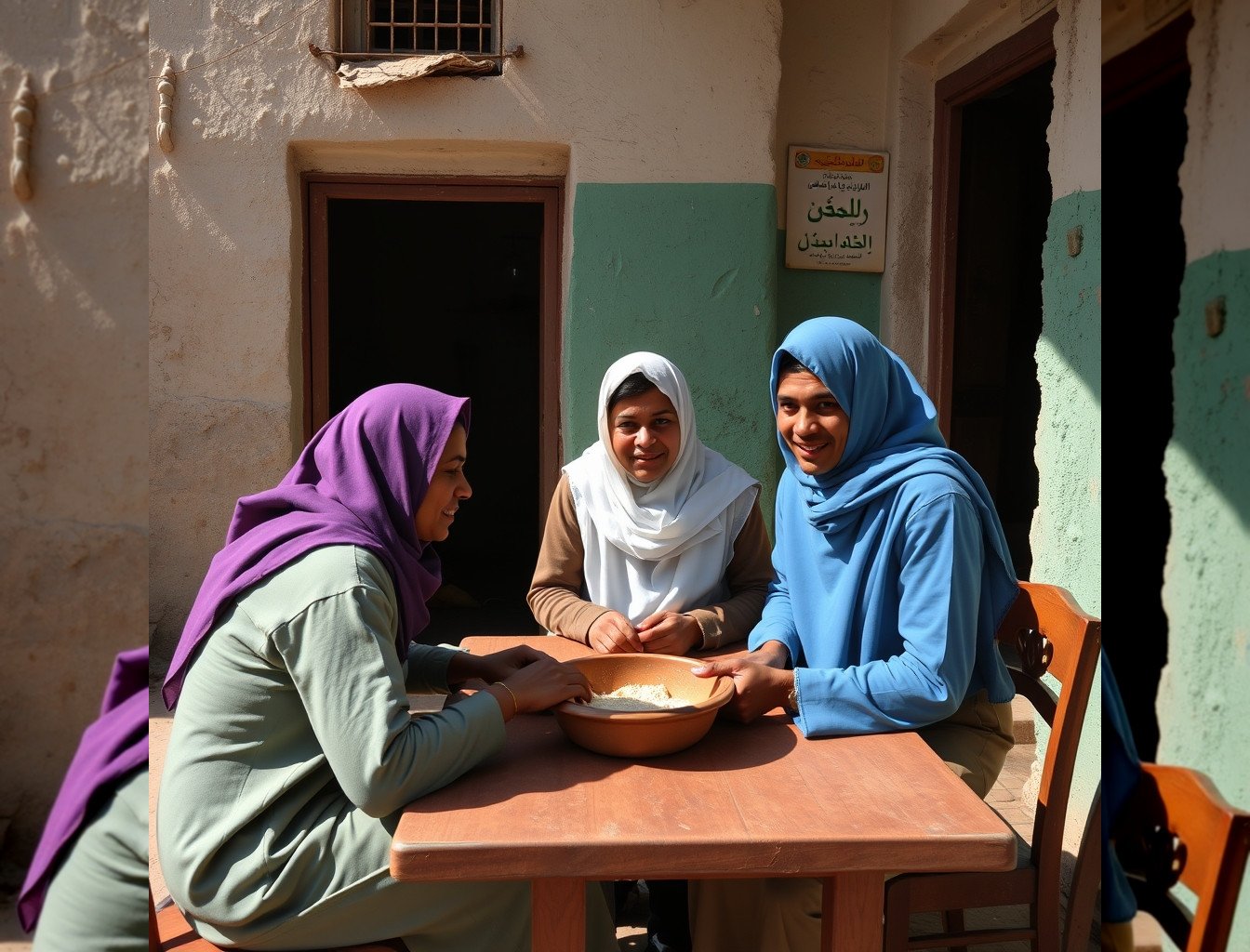
ALGIERS — A new youth volunteer centre in Jijel Province is more than a disaster relief initiative—it’s a blueprint for how Algeria can turn solidarity into startup capital. Launched by the Ministry of Youth in coordination with local authorities, the centre aims to harness youth energy for wildfire recovery efforts, but its real potential lies in creating a model for social entrepreneurship that could attract diaspora investors and local founders alike.
A lifeline for Jijel’s economy
Jijel’s economy already relies on seasonal tourism and olive oil production, both vulnerable to climate shocks. The volunteer centre’s focus on rebuilding could create micro-opportunities for entrepreneurs. For example, a youth-run repair cooperative for damaged homes could evolve into a scalable business if paired with government incentives for green reconstruction. The diaspora, often skeptical of local investments, might see this as a tangible entry point—especially if the centre expands into vocational training tied to economic recovery.
Diaspora dollars and local trust
Consider the example of a diaspora-backed crowdfunding platform for Jijel’s reconstruction. If the volunteer centre partners with such platforms, it could turn one-time donations into recurring investments in youth-led businesses. The key will be transparency: clear metrics on how volunteer efforts translate into economic activity will be essential to convince diaspora investors that their money isn’t just charity—it’s a seed for future ventures.
From volunteers to founders
The Ministry of Youth’s involvement suggests a deliberate push to link volunteerism with economic empowerment. If the centre includes mentorship programs or seed funding for volunteer-led projects, it could replicate successful models like Morocco’s Moukawama platform, which connects youth with social business opportunities. For Algerian founders, this means a potential pipeline of talent—young professionals with hands-on experience in crisis management and community engagement—who could launch ventures with built-in customer trust.
A test for Algeria’s social enterprise ecosystem
Entrepreneurs should watch closely for three signals:
1. Government incentives: Will the centre receive funding tied to job creation or local procurement? If so, it could become a magnet for small contractors.
2. Diaspora engagement: Will the initiative partner with Algerian chambers of commerce abroad to funnel investments into volunteer-led businesses?
3. Replication potential: Could similar centres emerge in other fire-prone regions like Béjaïa or Tizi Ouzou, creating a network effect?
Wildfires as a business catalyst
The challenge for entrepreneurs will be identifying these opportunities early and positioning themselves as partners—not just beneficiaries—of the recovery effort.
Key takeaway for entrepreneurs
The Jijel volunteer centre is a rare convergence of government support, youth energy, and diaspora potential. Founders should track its progress for clues on how to access funding for social impact projects, while local businesses can explore partnerships to supply goods or services to the centre’s operations. The diaspora, meanwhile, may see this as a low-risk way to invest in Algeria’s future—if the centre’s economic spin-offs become clear. Success here could unlock a new model for turning crises into commercial opportunities.
Sources
💡 Starting a business in Algeria? GlobalStart guides you step by step: procedures, real costs, company forms (SARL, EURL, SPA) and CNRC registration.