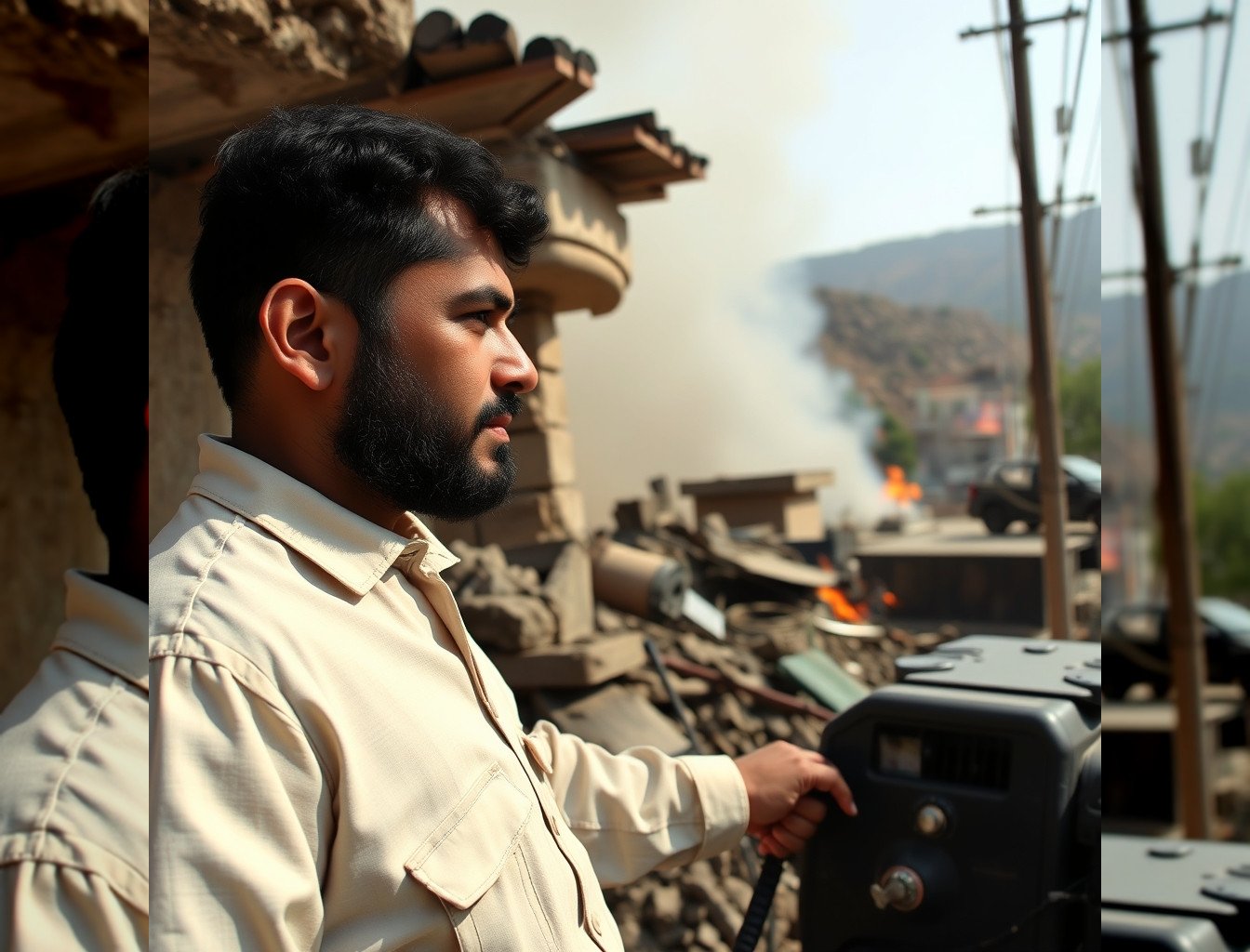
ALGIERS — The recent forest fires in Jijel province have left behind more than just charred land. With 594 personnel and 77 equipment units now deployed to clear debris and rehabilitate roads, the operation underscores a harsh reality: Algeria’s infrastructure resilience is being tested, but the crisis also reveals untapped opportunities for entrepreneurs and investors.
A race against time for road safety
The Ministry of Public Works and Basic Infrastructure’s mobilization highlights the urgent need to restore connectivity in a region critical for trade. Jijel’s roads serve as a gateway for goods moving between the east coast and the capital, Algiers. Delays in repairs could disrupt supply chains, particularly for perishable goods like fresh produce from the Mitidja plain or industrial materials from Annaba.
For local entrepreneurs, this means temporary logistical challenges. Small traders relying on daily deliveries to Jijel’s markets may face higher transport costs or shortages until repairs are complete. Meanwhile, larger businesses with warehouses in the area could see their operational costs rise if alternative routes prove less efficient.
Infrastructure as a business lever
The government’s response—deploying nearly 600 workers and specialized equipment—shows the scale of the damage. But it also signals where private investment could step in. Road rehabilitation companies, waste management firms, and even eco-tourism operators could position themselves to fill gaps left by state-led efforts.
Jijel’s post-fire landscape presents a unique case study. The region is known for its forests and coastal economy, but fires have exposed vulnerabilities in maintenance. Entrepreneurs specializing in sustainable land recovery or fire-resistant infrastructure could find demand, especially if they partner with local authorities to propose cost-effective solutions.
Diaspora entrepreneurs: a chance to reconnect
Algerian expatriates with expertise in disaster recovery or infrastructure could play a key role. Many in the diaspora have experience in construction, logistics, or environmental projects abroad. Now, they have an opportunity to apply that knowledge at home—either by investing in local firms or collaborating with Algerian contractors.
The diaspora’s financial networks could also help bridge funding gaps. Remittances to Algeria have fluctuated but remain substantial. Entrepreneurs in France, Canada, or the Gulf could channel some of these funds into post-fire reconstruction, whether through direct investment or crowdfunded initiatives targeting small businesses in Jijel.
The bigger economic picture
Beyond Jijel, the fires serve as a warning for Algeria’s broader infrastructure vulnerabilities. The country’s road network, while extensive, faces aging assets and climate-related strain. For entrepreneurs, this means identifying regions where preventive measures—such as fire-resistant roadside vegetation or better drainage systems—could become a niche service.
The Ministry’s deployment also reflects a pattern: Algeria often responds to crises with large-scale state interventions. While necessary, these efforts can create openings for private sector innovation. Companies that offer modular, scalable solutions for rapid repairs—such as temporary bridges or debris-clearing drones—could gain traction in a market where efficiency is increasingly valued.
A test for local resilience
For Jijel’s entrepreneurs, the fires are a stress test. Those who adapt quickly—whether by diversifying suppliers, investing in backup logistics, or exploring new markets—will emerge stronger. The province’s economy relies heavily on agriculture, fishing, and light industry. Businesses that can pivot to meet changing needs, such as shifting from forest-based products to low-risk alternatives, will be key players in the recovery.
Key takeaway for entrepreneurs
The Jijel fires reveal both risks and rewards for Algeria’s business community. Entrepreneurs should monitor infrastructure bottlenecks as potential entry points, while diaspora networks can accelerate capital flows into recovery projects. The immediate priority is mitigating supply chain disruptions, but the long-term opportunity lies in building resilient systems—whether through innovation, investment, or partnerships with local authorities.
Sources
💡 Starting a business in Algeria? GlobalStart guides you step by step: procedures, real costs, company forms (SARL, EURL, SPA) and CNRC registration.