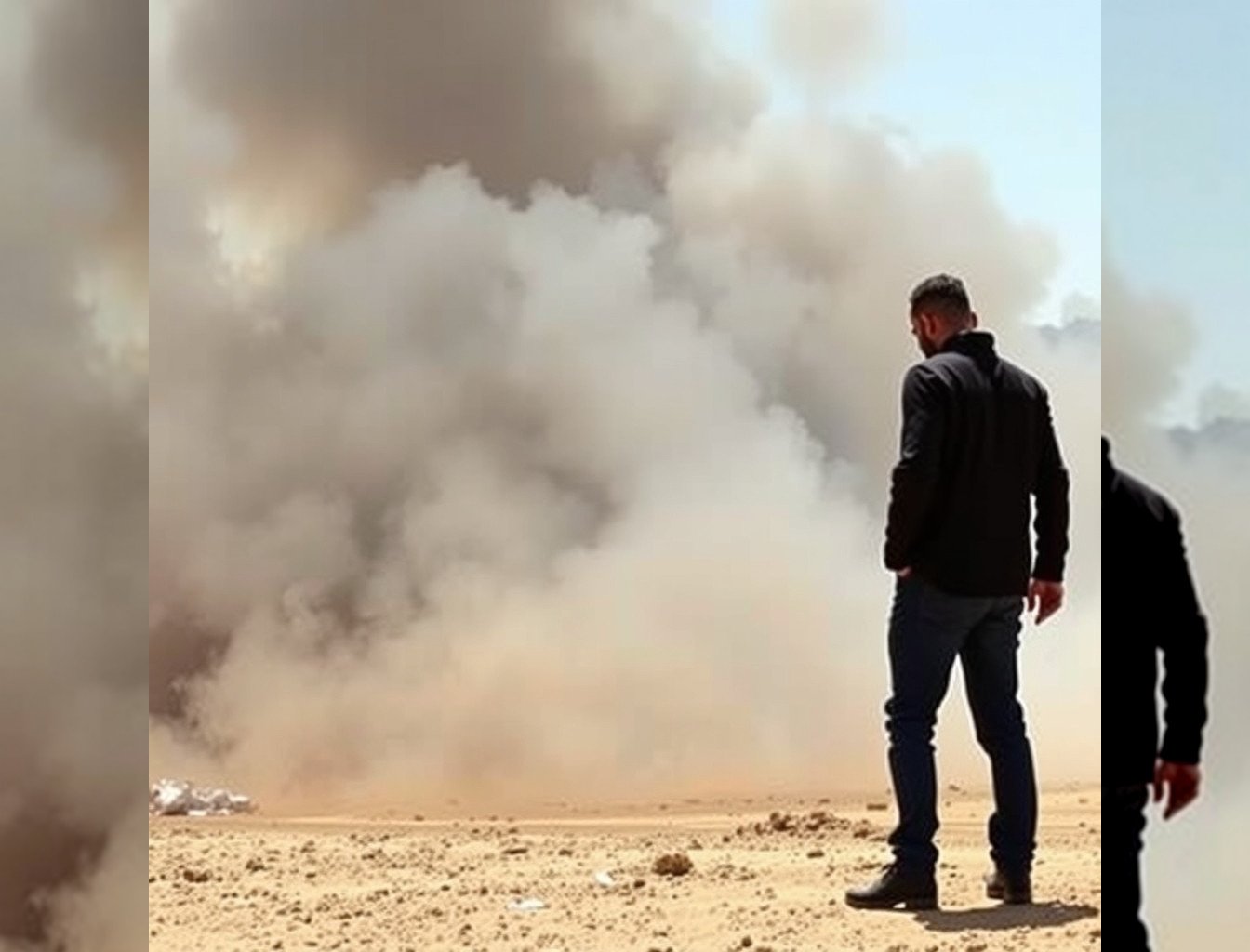
A Hard Line on Wildfires Threatens Investors and Entrepreneurs
Algeria’s government has taken an unprecedented step: President Abdelmadjid Tebboune recently ordered a revision of the Penal Code to reintroduce the death penalty for arsonists convicted of extreme crimes. Legal experts and officials have since emphasized the measure’s deterrent effect, framing it as a response to the record wildfires that ravaged parts of the country this summer.
The move comes after weeks of destructive blazes that scorched forests, agricultural lands, and even urban fringes, forcing evacuations and disrupting local economies. According to the General Directorate of Civil Protection, fires broke out across multiple provinces between late August and early September, with some areas still recovering. Prime Minister Sifi Ghrieb convened an emergency meeting to assess damages, restore public services, and support affected citizens—a sign of the crisis’s severity.
For entrepreneurs and investors, the legal crackdown raises serious questions. While the government’s goal is clear—deterrence through harsh penalties—the broader implications for land use, insurance, and business continuity could reshape Algeria’s economic landscape.
Why This Matters for Business Owners
The wildfires alone cost Algeria an estimated $100 million in lost crops, infrastructure, and tourism revenue this year, according to unofficial estimates from agricultural and insurance sectors. For small farmers, orchards and vineyards—key to Algeria’s food security and export potential—were particularly hard hit. The wine and olive oil industries, already struggling with global competition, now face supply chain disruptions and higher operational risks.
Insurance companies are already reassessing their policies. Many business owners in high-risk zones—such as the Aurès Mountains, Tlemcen, and Béjaïa—now question whether standard fire insurance will remain affordable. Some entrepreneurs report premiums doubling in the past six months, pushing smaller players toward self-insurance or risk avoidance.
A Legal Climate That Could Scare Off Investors
The death penalty directive is not just about punishment—it signals zero tolerance for environmental negligence. This could accelerate regulatory scrutiny on industries where fires pose risks, such as:
– Agricultural cooperatives (straw burning, dry farming practices)
– Construction firms (illegal land clearing, poor fire safety in urban projects)
– Energy companies (gas leaks, pipeline risks in forested areas)
Legal experts warn that prosecutors may now target not just arsonists but also businesses whose practices contribute to fire risks. A 2025 report by the Algerian Bar Association highlighted how loose enforcement of environmental laws has historically allowed companies to cut corners on safety. The new penalties could force stricter compliance—but also increase litigation costs for businesses.
The Diaspora’s Dilemma: Risk vs. Opportunity
For Algerian entrepreneurs abroad—many of whom remit funds or invest in local real estate—the situation is mixed. On one hand, the government’s crackdown on wildfires could improve long-term stability by reducing fire-related losses. On the other, investors in high-risk sectors may pull back due to legal uncertainty and insurance challenges.
Take French-Algerian business owners, who dominate sectors like construction and agriculture. Some are diversifying into fire-resistant crops (such as almonds or cork) or relocating operations to safer regions. Others are hedging bets by securing international insurance—a costly but necessary move in Algeria’s current climate.
What This Means for Startups and SMEs
Small businesses, especially in tourism and agribusiness, are feeling the pinch. The wildfires destroyed parts of Algeria’s “green gold” forests, which attract ecotourism revenue. Hotels and guesthouses in Bejaïa and Jijel report a 30% drop in bookings since the fires, as travelers avoid perceived high-risk areas.
For new entrepreneurs, the message is clear: fire safety must be a priority. This means:
– Investing in fire-resistant infrastructure (e.g., metal roofs, cleared perimeter zones)
– Securing multi-layered insurance (local + international coverage)
– Diversifying supply chains to avoid over-reliance on fire-prone regions
The government’s new administrative divisions, set to take effect with the November local elections, could also redraw business zones. Some entrepreneurs fear bureaucratic delays in permits for rebuilding or expanding in fire-affected areas.
A Silver Lining? Stricter Rules Could Boost Innovation
Despite the risks, some see opportunities in resilience. The renewable energy sector, for example, could benefit from stricter land-use regulations that push companies toward solar and wind projects in safer zones. Algeria’s solar potential is vast—but development has been slow due to red tape. If the government streamlines permits for green energy, foreign investors may take notice.
Similarly, agritech startups focusing on drought-resistant crops or precision irrigation could gain traction. The wildfires exposed vulnerabilities in traditional farming, and tech-driven solutions may become more attractive to both local farmers and international investors.
Key Takeaway for Entrepreneurs
Algeria’s harsh new penalties for arsonists are a wake-up call for businesses—fire risks are no longer an abstract threat but a legal and financial liability. Entrepreneurs must adapt by investing in safety, diversifying assets, and securing insurance before costs rise further. Meanwhile, the diaspora should weigh risks carefully: while Algeria remains a high-potential market, due diligence is non-negotiable in an era of stricter enforcement. Those who act now—rather than react—will be the ones who survive—and thrive—in this new regulatory landscape.
Sources
💡 Starting a business in Algeria? GlobalStart guides you step by step: procedures, real costs, company forms (SARL, EURL, SPA) and CNRC registration.