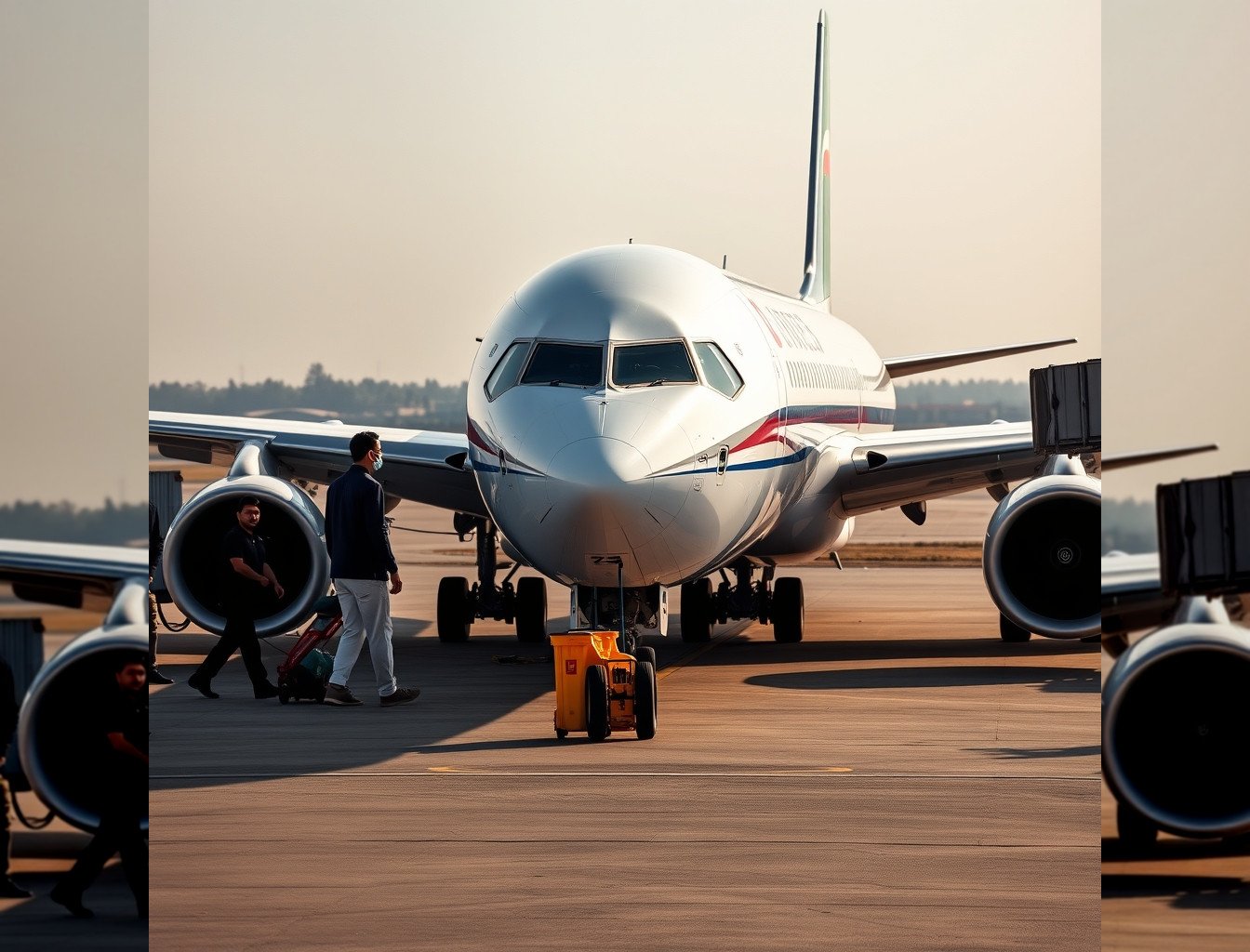
Africa’s commercial fleet is set to explode, doubling from 755 to 1,625 aircraft by 2045—an opportunity worth billions for aviation players. But with Boeing, Airbus, Embraer, and Chinese rivals all positioning themselves as the continent’s go-to supplier, Algeria’s airlines and entrepreneurs must decide who to bet on.
Passenger demand fuels a 6.5% annual surge
Boeing’s latest forecast paints a clear picture: Africa’s air traffic is growing faster than any other region. The American manufacturer predicts annual passenger growth of 6.5%, with the Africa-Middle East corridor—critical for Algerian carriers—hitting 7.1% year-over-year. For entrepreneurs in logistics, tourism, or e-commerce, this means more routes, lower costs, and expanded markets. But the real question is whether Algeria’s airlines can afford the new fleet—and whether they’ll lock in deals before rivals do.
Second-hand fleets won’t cut it—new planes are the prize
Right now, many African airlines rely on second-hand aircraft, stretching budgets thin. But Boeing’s forecast signals a shift: by 2045, the continent will need 870 new mid-range planes alone. That’s a $10 billion opportunity for manufacturers—and a windfall for Algerian carriers if they secure favorable terms. Air Algérie, for example, has been modernizing its fleet with Airbus A330s and Embraer E-Jets. If Boeing’s projections hold, the airline could face pressure to diversify suppliers before delivery delays or price hikes hit.
Boeing’s dominance under threat—Algeria’s airlines must watch closely
Boeing has long been the leader in Africa, but competitors are circling. Airbus, backed by European subsidies, is pushing its A220 and A320neo lines. Embraer, the Brazilian manufacturer, offers smaller, fuel-efficient jets ideal for short-haul routes—key for Algeria’s domestic and regional connections. Then there’s China’s COMAC, which recently inked deals with Ethiopian Airlines and is eyeing North Africa. For Algerian business founders, this competition could mean cheaper leasing options or better financing terms if airlines hedge their bets.
Algeria’s diaspora stands to gain from better connectivity
The African aviation boom isn’t just about planes—it’s about people. Algeria’s diaspora, scattered across Europe, the Middle East, and France, could see cheaper, faster flights home if intra-African routes expand. Right now, many Algerian expats rely on long layovers in Dubai or Istanbul. If Boeing’s forecast plays out, direct flights between Algiers and Lagos, Nairobi, or Casablanca could cut travel time by half. For entrepreneurs in remittance services, travel agencies, or hospitality, this is a goldmine—but only if airlines act fast.
Leasing vs. buying—Algeria’s airlines face a tough choice
With aircraft prices soaring, many African carriers opt for leasing over outright purchases. Boeing’s forecast suggests this trend will continue, but leasing rates could rise if demand outpaces supply. Air Algérie, for instance, has leased planes from both Airbus and Boeing in the past. If the airline wants to avoid long-term cost shocks, it may need to lock in multi-year contracts now. For Algerian entrepreneurs in aviation finance or asset management, this creates a niche: helping carriers navigate leasing markets before prices spike.
The Middle East link—Algeria’s airlines can’t afford to ignore it
Boeing’s 7.1% growth forecast for the Africa-Middle East corridor is a double-edged sword. On one hand, it means more passengers for Algerian carriers flying to Dubai, Doha, or Riyadh. On the other, it increases competition from Gulf-based airlines like Emirates and Qatar Airways, which dominate long-haul routes. For Algerian business travelers and exporters, this could lower airfares—but only if local airlines can match efficiency. The key will be partnering with the right aircraft supplier to keep costs down.
Key takeaway for entrepreneurs
Algeria’s aviation sector is at a crossroads. Airlines must decide whether to double down on Boeing, explore Airbus or Embraer alternatives, or wait for Chinese players to enter the fray. For entrepreneurs, this means opportunities in fleet leasing, travel tech, and diaspora-focused services—but only if they move fast. The next two decades will shape Africa’s skies, and Algeria’s businesses can’t afford to miss the takeoff.
💡 Starting a business in Algeria? GlobalStart guides you step by step: procedures, real costs, company forms (SARL, EURL, SPA) and CNRC registration.