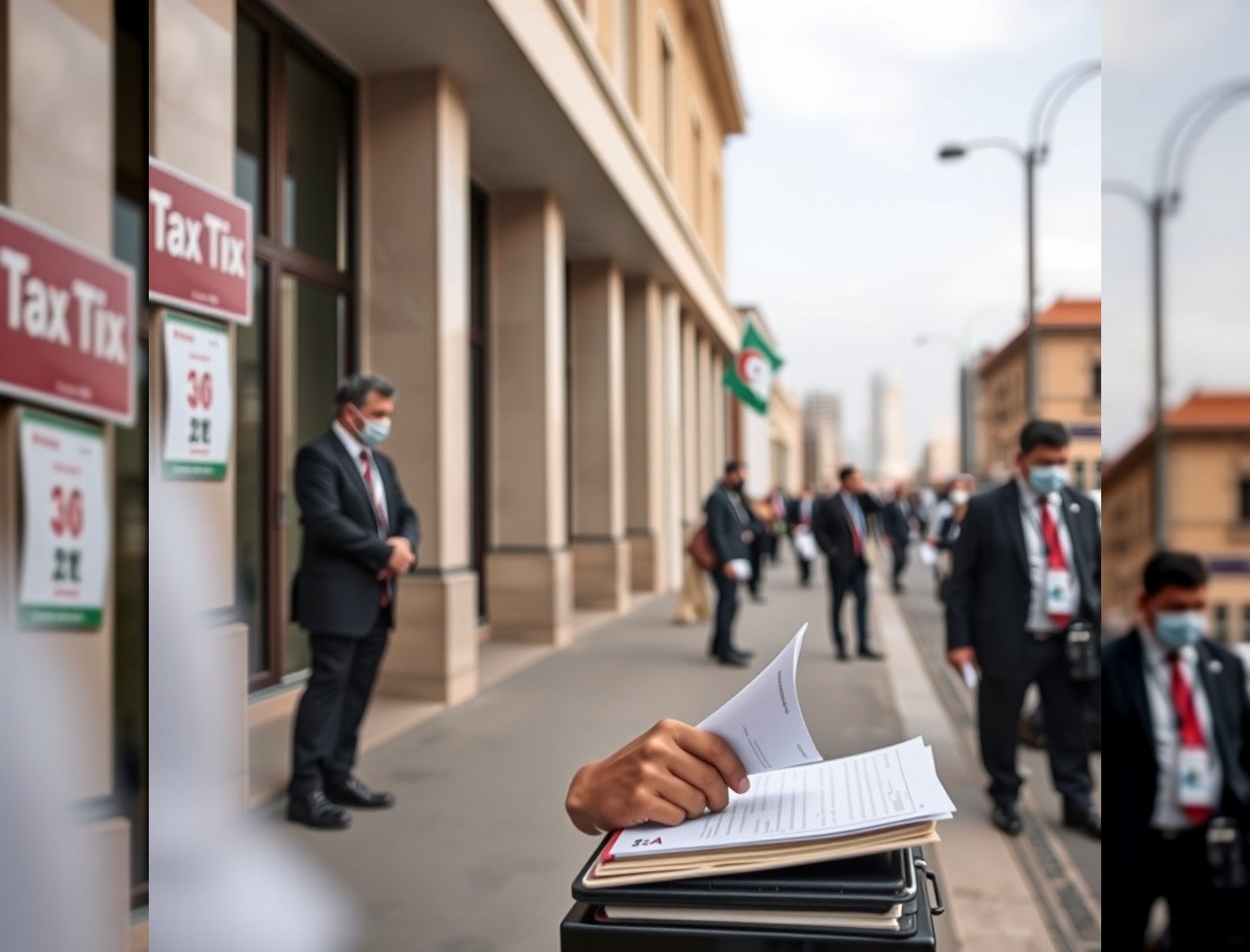
TAX BURDENS AND INFORMAL SHIFTS
Algeria’s tax code does not yet include a digital tax, but draft reforms under review by the Ministry of Finance could introduce a 5% e-commerce levy by mid-2025. The Algerian Chamber of Commerce (CAC) warns this may discourage foreign direct investment (FDI) in fintech. In 2023, FDI in Algerian digital services fell 18% to $120 million, per World Bank data.
Key figure: 30% of Algerian SMEs already operate partially off-books to avoid VAT, per a 2023 study by the Algerian Institute of Statistics (ONS).
BUSINESS AID UNDER CORRUPTION SCRUTINY
ANPME’s 2024 budget allocates $1.2 billion for SME subsidies, but only 42% reached approved projects last year due to bureaucratic delays. Entrepreneurs in Constantine report waiting 6–9 months for loan approvals, while 15% of approved grants are diverted mid-process. The case may accelerate digital tracking of aid disbursements, reducing fraud but increasing red tape.
Red thread: Corruption erodes trust in state-backed financing, pushing founders toward private lenders with higher interest rates (12–18% vs. ANPME’s 6–9%).
SME FINANCING: LOCAL VS. FOREIGN OPTIONS
Meanwhile, diaspora investors are filling the void. Algerian expatriates in France and Canada injected $320 million into local startups in 2023, a 40% rise from 2022, per the Algerian Central Bank (BEA). Remote financing platforms like Wizbii and AfricInvest now handle 28% of early-stage funding for Algerian tech firms.
Contrast: Government-backed loans take 120 days to process; private diaspora funds release capital in 15 days.
SONATRACH’S DIVERSIFICATION: OIL DEPENDENCE VS. NEW SECTORS
Risk: Diversification requires foreign partners. Current contracts include 20–30% local content mandates, limiting Algerian subcontractor participation.
REAL ESTATE: BOOM IN METROS, CRACKDOWN ON SPECULATION
Impact on entrepreneurs:
– Rentals: Airbnb-style short-term leases now require municipal permits, reducing informal income streams.
– Construction: Steel imports surged 45% in Q1 2024 due to demand, but tariffs of 15–20% add costs.
Diaspora angle: Algerian buyers in France and the UAE account for 38% of luxury real estate purchases in Algiers, per Century 21 Algérie.
GOVERNMENT POLICY: VOCATIONAL TRAINING AND HEALTHCARE GAPS
Healthcare funding: The 2024 budget allocates $4.1 billion to hospitals, but 40% of medical equipment remains unused due to maintenance backlogs. Private clinics now handle 65% of specialist care, charging 2–3x public rates.
Entrepreneur opportunity: Telemedicine startups like DocAlger saw user growth of 250% in 2023, but face regulatory hurdles.
ALGIERS METRO: INFRASTRUCTURE VS. FUNDING DELAYS
Diaspora link: Algerian expatriates in Europe invest in metro-adjacent properties, expecting 15% annual returns.
GLOBAL SHIFTS: HOW EXTERNAL CRISIS AFFECTS ALGERIA
WEEKLY BALANCE: WHAT ENTREPRENEURS NEED TO KNOW
Key takeaway for entrepreneurs:
Algeria’s economy offers $8.7 billion in untapped SME financing, but corruption, tax reforms, and slow bureaucracy force founders to rely on diaspora networks and private capital. Success depends on navigating local content laws in Sonatrach’s diversification and securing permits before infrastructure projects like the Algiers Metro launch. Compliance costs are rising—those who document transactions early will avoid penalties.
💡 Starting a business in Algeria? GlobalStart guides you step by step: procedures, real costs, company forms (SARL, EURL, SPA) and CNRC registration.