The Algiers Casbah, a 16th-century Ottoman citadel and UNESCO World Heritage site, is undergoing its biggest regeneration in decades. Recent efforts by President Abdelmadjid Tebboune’s government have accelerated restoration work, aiming to turn the historic district into a magnet for tourism and high-value real estate. For entrepreneurs—both inside Algeria and in the diaspora—this revival offers fresh opportunities in hospitality, heritage crafts, and digital services.
Since 2022, Algerian authorities have increased funding for the Casbah’s preservation, with the Ministry of Culture allocating 1.2 billion dinars (€8.5 million) this year alone for structural repairs and infrastructure upgrades. The National Agency for the Safeguarding of Historic Cities (ANCPC) coordinates the project, working alongside local architects and UNESCO advisors. “This is not just about saving walls,” says Dr. Amina Bouzid, the ANCPC’s director. “It’s about reviving an ecosystem—hotels, artisan workshops, guided tours—that can sustain itself economically.”
The Casbah’s revival comes at a time when Algeria is pushing to diversify its economy beyond hydrocarbons. Tourism contributed just 2.8% to GDP in 2024, according to the World Travel & Tourism Council, but officials aim to double that share by 2030. The Casbah, with its labyrinthine alleys, Ottoman palaces, and 17th-century mosques, is central to this strategy. “The Casbah is Algeria’s most visible cultural asset,” says tourism minister Mohammed Aïssa. “We are treating it as a pilot project for heritage-led development.”
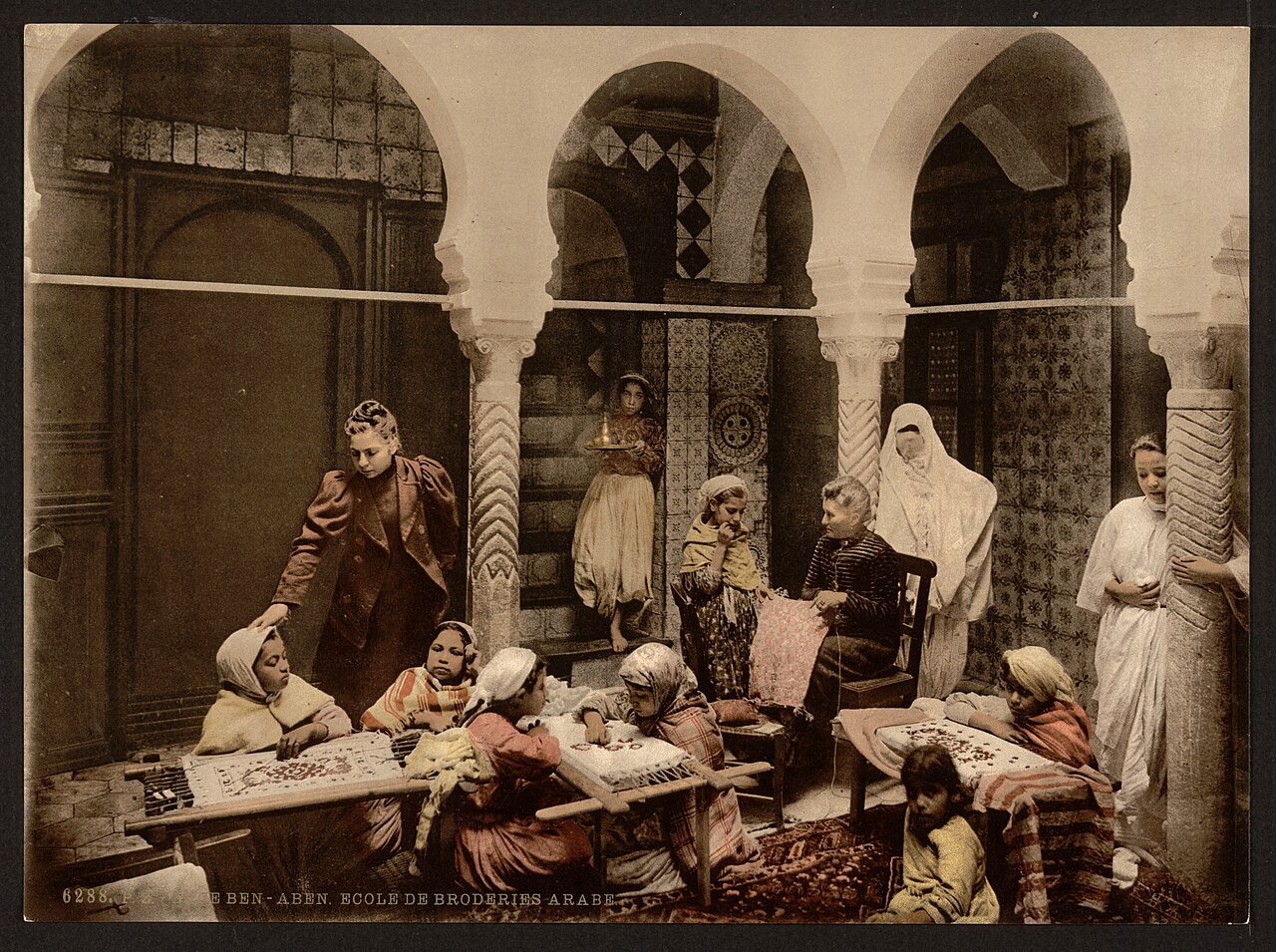
For local entrepreneurs, the regeneration has already created openings. Fatima Zelmat, who runs a small guesthouse in the Casbah’s Sidi Abderrahmane quarter, says her bookings rose by 40% in 2025 after the area’s main square, Place des Martyrs, was pedestrianized. “Before, tourists would just pass through,” she says. “Now they stay for meals, for workshops, for the atmosphere.” Her business, Dar Fatima, employs five local women who produce traditional Algerian embroidery sold to visitors.
The government is also encouraging diaspora investors to participate. In 2024, the Ministry of Tourism launched a program offering tax breaks to Algerians abroad who invest in heritage properties within the Casbah. “We want the diaspora to see this as more than a cultural duty,” says investment minister Yacine Oualid. “It’s a viable business opportunity.” So far, 14 projects—ranging from boutique hotels to artisan cooperatives—have been approved under the scheme, with total diaspora commitments exceeding €12 million.
Yet challenges remain. Many Casbah residents resist eviction for restoration projects, while informal vendors and small businesses fear displacement. In 2023, clashes erupted when authorities dismantled illegal constructions blocking a heritage site near the Ketchaoua Mosque. “Preservation must not mean erasure,” warns historian Dr. Kamel Stiti. “The Casbah’s soul is its people.”
Entrepreneurs outside Algeria’s capital are also taking notice. In Constantine, where the Ahmed Bey Palace restoration is underway, local business owners are adapting. “We’re seeing a spillover effect,” says textile manufacturer Rachid Belaid. “Tourists who visit Algiers often extend their trips to see Constantine’s Ottoman sites. We’re scaling up production of traditional costumes to meet demand.”
Digital entrepreneurs are tapping into the trend as well. In 2025, a Casbah-based startup launched Casbah Voyages, an online platform offering virtual and in-person guided tours. Founder Yasser Khelif says the app has attracted 8,000 users in six months. “We’re monetizing Algeria’s story,” he says. “The Casbah isn’t just a relic—it’s a brand.”
Key takeaway for entrepreneurs
The Algiers Casbah’s revival offers opportunities in hospitality, heritage crafts, and digital tourism, with government incentives for both local and diaspora investors. Projects must balance preservation with community needs to avoid backlash. Early movers in Constantine and other historic cities are already benefiting from spillover tourism demand.
Sources
- ZAM
- The Arab Weekly
- horizons.dz
- Condé Nast Traveller Middle East
- The Architectural Review
- kuna.net.kw
💡 Starting a business in Algeria? GlobalStart guides you step by step: procedures, real costs, company forms (SARL, EURL, SPA) and CNRC registration.