Elections and repression
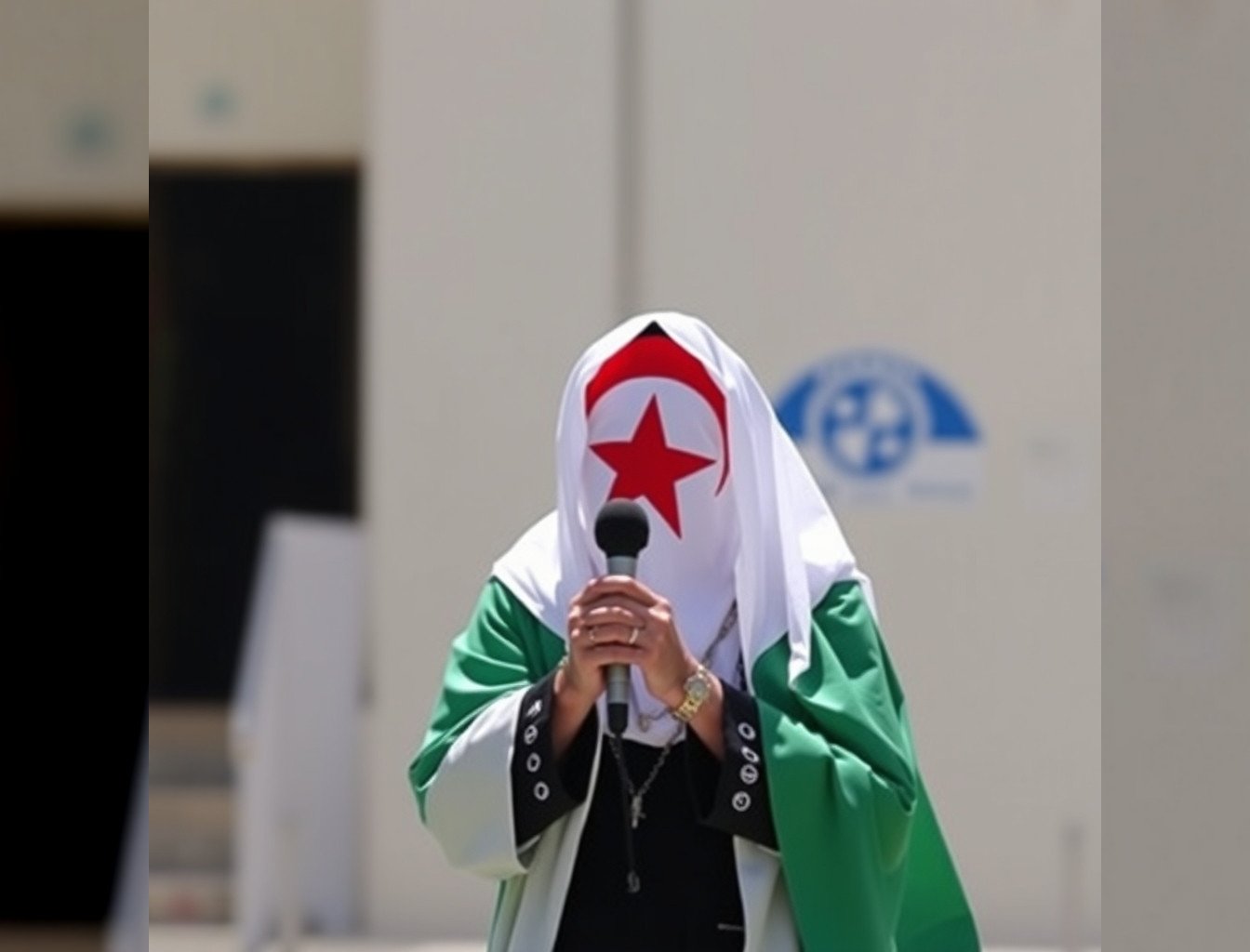
Algeria also escalated its rhetoric against foreign interference, accusing the UAE of meddling in its electoral process. The accusation follows reports of alleged UAE-funded disinformation campaigns targeting Algerian officials and institutions. The UAE has not publicly responded.
Energy transition and hydrocarbon expansion
In hydrocarbons, Italian major Eni and Algeria’s state-owned SONATRACH expanded a cooperation agreement to reduce emissions from oil and gas operations. The deal includes pilot projects for carbon capture and storage (CCS) and methane reduction in Algeria’s southwest fields. Algeria’s state-owned company also tendered for 50,000 metric tons of soft milling wheat, a staple import, at a unit price of $285 per ton, down from $310 in June.
Vietnamese businesses have increased engagement with Algerian counterparts, with trade delegations exploring investment in pharmaceuticals and infrastructure. Algeria’s Ministry of Pharmaceutical Industry has earmarked $120 million for local production incentives, targeting 30% import substitution by 2026.
Diplomacy and geopolitical positioning
Algeria’s role in African energy geopolitics was highlighted in a Foreign Policy op-ed, which noted Algeria’s potential to leverage its “chokepoint windfall”—its geographic position as a transit hub for African gas exports to Europe. The analysis emphasized Algeria’s ability to set transit tariffs and negotiate with buyers, though no new deals materialized this week.
South-South cooperation deepened with Algeria’s re-engagement in the Sahel. Algerian authorities announced a $50 million credit line for Niger and Burkina Faso under the African Emergency Support Alliance (AES). The move is framed as a counter to Moroccan influence in the region, following Algiers’ diplomatic rupture with Rabat over the Western Sahara issue.
Human rights and legal shifts
In a separate development, French-Algerian writer Boualem Sansal was pardoned and released from prison after serving a three-year sentence for “undermining national unity.” Sansal’s release follows a presidential decree granting pardons to 76 prisoners.
Religious coexistence was another topic this week, with Pope Leo’s remarks on Algeria’s interfaith dynamics gaining attention. Algeria’s Ministry of Religious Affairs has allocated $15 million for mosque renovations in 2024, down from $22 million in 2023.
Civil society and labor movements
Diaspora dynamics and identity politics
Islamist parties have also leveraged identity issues in campaign messaging, targeting youth and rural voters. The Islamic Salvation Front (FIS) splinter group, Movement of Society for Peace (MSP), has emphasized cultural identity to mobilize support, particularly in Kabylie and the Aurès regions.
Education and labor market mismatches
Sports integrity and governance
Balance of the week
– Energy: Eni-SONATRACH partnership expanded with a $50 million allocation for emissions reduction. Algeria tendered for 50,000 tons of wheat at $285/ton.
– Diplomacy: Spain-Algeria talks focused on energy and migration. Algeria deepened Sahel ties with a $50 million credit line.
– Human rights: Algeria elected to UN Human Rights Council presidency. Boualem Sansal pardoned after three years in prison.
– Labor: Independent unions demanded 20% wage hikes amid 9.3% inflation. Women’s education-labor gap persists at 44 percentage points.
– Diaspora: Amazigh movement pushed for language implementation. Islamists used identity politics in campaign messaging.
Key takeaway for entrepreneurs
Sources
- Türkiye Today
- Modern Diplomacy
- Amnesty International
- Al Jazeera
- University World News
- FOX4KC.com
💡 Starting a business in Algeria? GlobalStart guides you step by step: procedures, real costs, company forms (SARL, EURL, SPA) and CNRC registration.