Algeria’s 5G and AI push reshapes tech opportunities—but compliance costs rise
Algeria’s digital infrastructure is expanding at pace. This week, the government confirmed $240 million in 5G and AI investments for 2026, with Ooredoo Algeria leading the rollout. The focus is on high-performance computing centers, including the newly launched AI hub in Oran. This creates direct R&D opportunities for local startups, particularly in data analytics, cybersecurity, and smart city solutions.
The push aligns with Algeria’s 2025-2029 National Cybersecurity Strategy, which includes digital governance platforms. The police have already deployed a lost-document reporting system online, a small but significant step toward broader e-governance. For entrepreneurs, this signals growing demand for B2G cybersecurity training and compliance tools, especially as state institutions digitize.
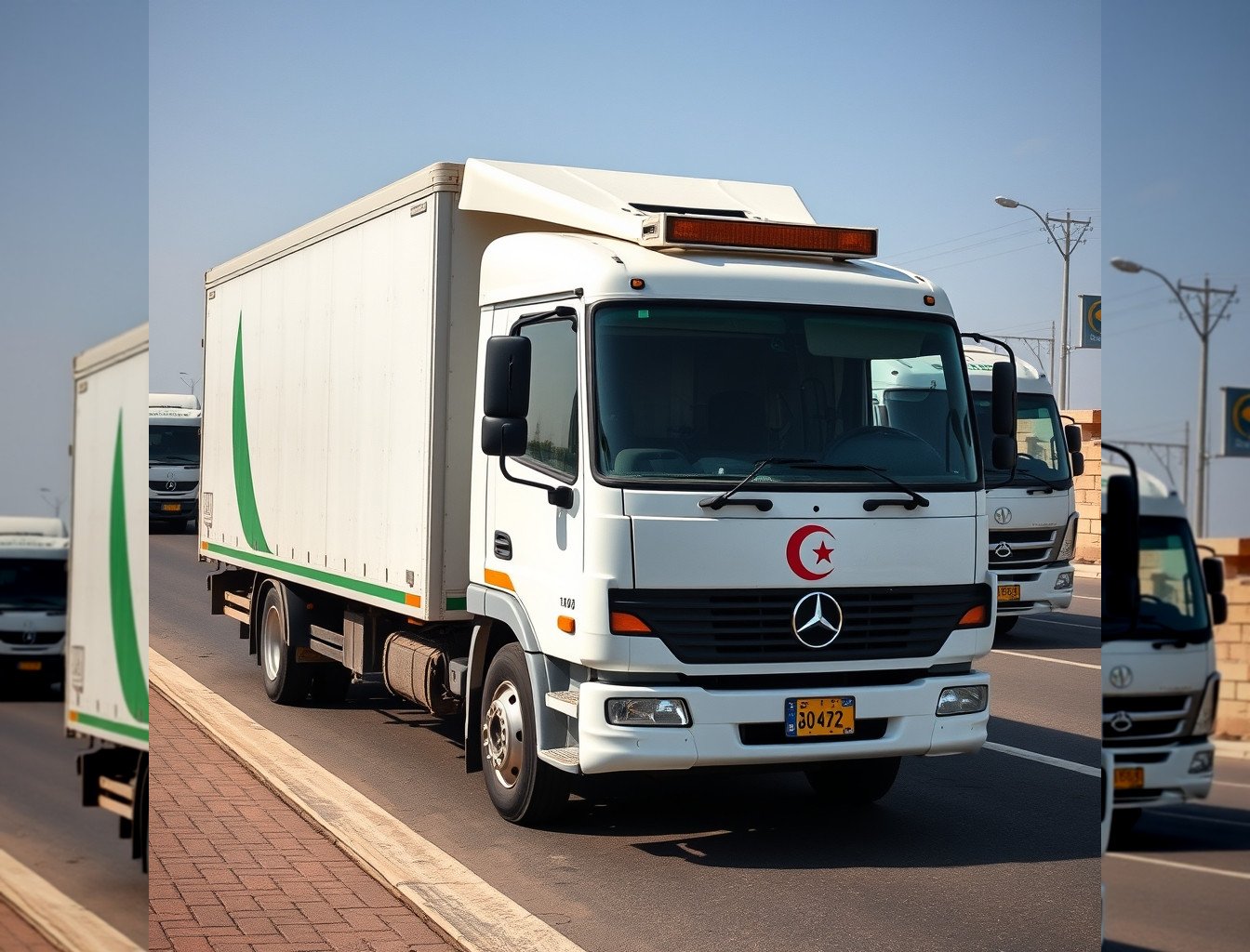
Yet challenges remain. Stricter road safety regulations—introduced last year—are increasing operational costs for logistics firms. New compliance measures, such as mandatory vehicle inspections and digital tracking, add bureaucracy. While safety improves, smaller transport businesses may struggle with higher expenses, particularly if global fuel prices rise further.
Sonatrach’s LNG gamble: Asia drives growth—but rivals loom
Algeria’s 5% GDP growth this year is largely tied to liquefied natural gas (LNG) exports to Asia, with Türkiye and China as key buyers. Sonatrach has secured longer-term contracts, including discussions for a hydrogen pipeline to Europe via Italy, backed by German political support. This positions Algeria as a critical energy hub, but competition is fierce.
Nigeria and North America are expanding LNG capacity, adding $4.6 billion in new projects that could pressure Algerian pricing. Sonatrach’s strategy hinges on diversifying routes—both through traditional pipelines and emerging hydrogen trade. However, delays in infrastructure projects or geopolitical shifts could undermine stability in demand.
For energy-linked entrepreneurs, the opportunities lie in supply chain optimization, renewable energy integration, and hydrogen-related tech. But success depends on navigating regulatory hurdles and global market volatility.
From Mars meteorites to satellite launches: Science boosts—but tourism sends mixed signals
Algeria’s scientific reputation is rising. A 1-billion-year-old Mars meteorite discovered in the Sahara has drawn global attention, while a new satellite launch expands remote sensing capabilities. These developments could attract foreign research partnerships, particularly in planetary science and climate monitoring.
Yet tourism remains a mixed bag. While cultural events like the “Spectrum of Colors” exhibition in Algiers highlight Algeria’s artistic heritage, safety concerns persist. Travel advisories still caution about road risks and bureaucratic hurdles, despite government efforts to digitize services. The contrast between high-tech infrastructure and traditional red tape creates friction for visitors and investors alike.
For entrepreneurs in edutainment, eco-tourism, or digital nomad services, the potential exists—but only if security and accessibility improve. Meanwhile, the fossil and satellite discoveries open doors for STEM-focused startups, especially in data-driven industries.
Key takeaway for entrepreneurs
Algeria’s 5G and AI investments offer clear R&D pathways for tech startups, while Sonatrach’s LNG contracts provide stable energy-linked business opportunities. However, rising compliance costs in logistics and competition in global gas markets demand careful risk assessment. The cybersecurity and digital governance sectors are emerging B2G niches, but success will depend on aligning with state-led modernization efforts.
Sources
- Africa24 TV
- AL24 News
- We are Tech
- atlas-mag.net
- World Nomads
- Türkiye Today
💡 Starting a business in Algeria? GlobalStart guides you step by step: procedures, real costs, company forms (SARL, EURL, SPA) and CNRC registration.