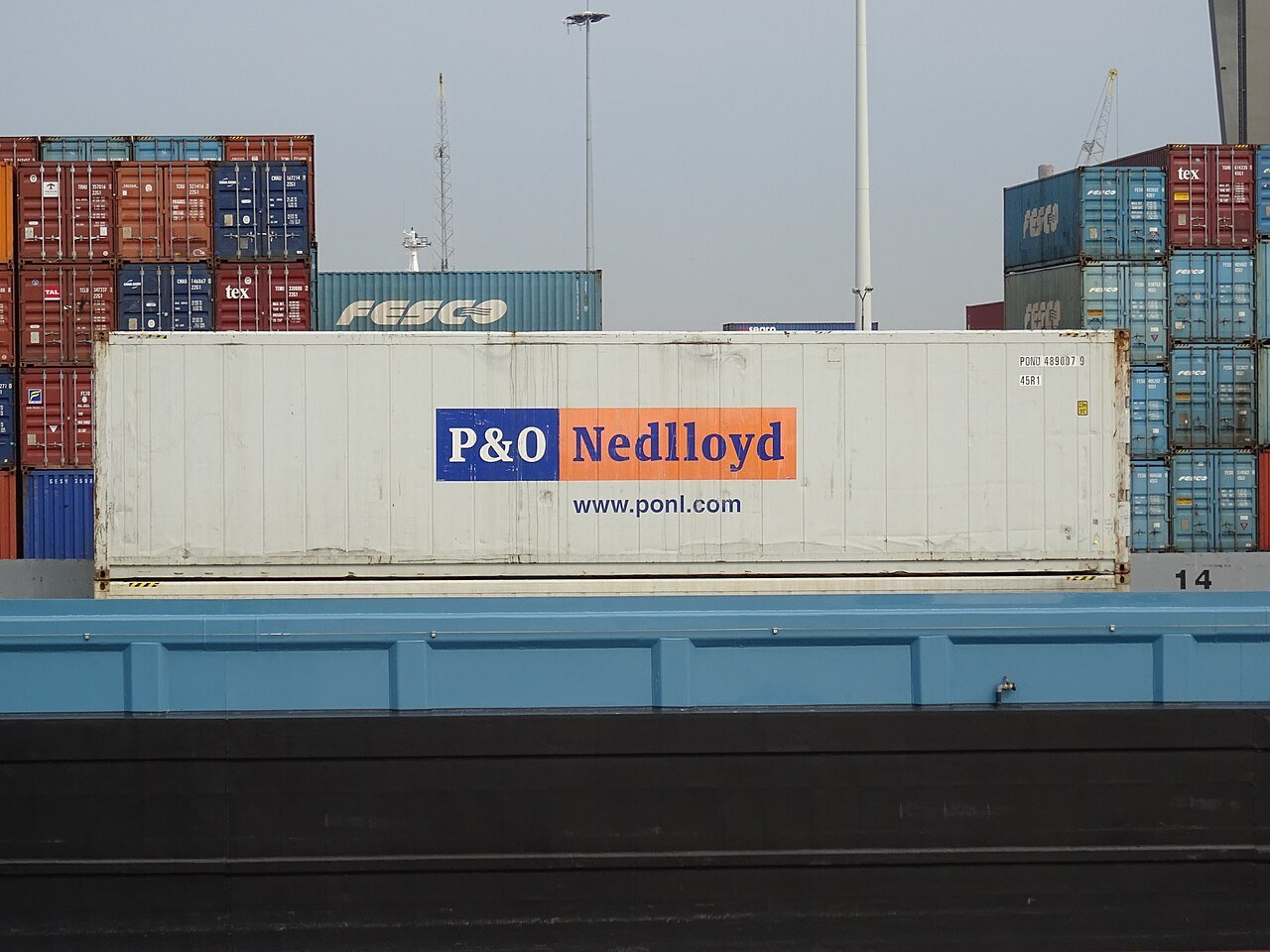
Automotive Revival: Foreign Investors Bet on Algeria’s Assembly Lines
Why it matters for entrepreneurs:
– Supply chain spillover: Local parts suppliers (e.g., metalwork, electronics) will see demand rise. Example: A 2023 study by the Algerian Automotive Federation cited 30% of vehicle components currently imported.
– Labor costs: Skilled automotive workers earn $400–$700/month—competitive with Morocco’s $350–$650 but with no export tariffs on EU-bound goods.
– Risk: Delays in customs clearance persist. Case: A 2022 World Bank report flagged 45-day average processing times for imports.
Diplomatic backdrop: Morocco’s automotive sector (Renault, PSA) benefits from EU free-trade deals. Algeria’s isolation from regional blocs limits its leverage.
Defense Spending vs. Youth Jobs: Where Budget Priorities Collide
The numbers:
– Unemployment: 27% for graduates (World Bank 2023).
– Degree devaluation: The government now asks graduates to waive diplomas for civil service roles, citing “skills mismatch.”
– Fertility drop: Algeria’s rate fell to 2.3 births/woman (2023), down from 7 in 1980. Implication: Shrinking workforce by 2040.
Entrepreneur impact:
– Defense-linked opportunities: $1.2 billion in arms contracts (2022–2024) may open niches for IT security firms, logistics, or spare-parts suppliers.
– Youth exodus: 120,000 Algerians left for Europe in 2023 (IOM). Diaspora remittances: $10.5 billion (2023)—10% of GDP—funds 30% of household consumption.
Tech Startups vs. Diplomatic Isolation: Can Algeria Break Out?
Contrast with peers:
– Tunisia: 1,200+ startups, $80 million in VC funding (2023).
– Morocco: $250 million in tech funding (2023), 10 free zones for digital firms.
Entrepreneur leverage:
– Niche focus: Algerian startups excel in agritech (e.g., soil-monitoring drones) and fintech (e.g., remittance platforms) due to low mobile penetration costs ($5/month data).
– Diaspora link: 40% of Algerian tech workers abroad (France, Canada) maintain ties. Example: 20% of StartAlgeria’s first cohort has diaspora co-founders.
Regional Rivalries: How Morocco’s Gains Hurt Algeria’s Trade
Diplomatic moves:
– Spain’s pivot: King Felipe VI visited Morocco in July 2024; Algeria’s President Tebboune referenced the Sahara in talks with Sánchez—ignored by Spain.
– Egypt-Algeria ties: $3 billion trade target by 2025 (2024 FM talks) focuses on gas, defense, and counterterrorism.
Business fallout:
– Energy arbitrage: Algeria’s $20 billion/year gas exports to Europe could face Moroccan LNG competition if EU diversifies supplies.
– Diaspora divide: 1.5 million Algerians in France vs. 2 million Moroccans—Morocco benefits from EU labor agreements.
History as a Business Barrier: How Colonial Echoes Shape Trade
Trade tensions:
– French firms exit: TotalEnergies reduced Algerian staff by 20% (2023–2024) amid nationalization threats.
– Dual citizenship: France denies 150,000 Algerian applications (2023), limiting cross-border business mobility.
Opportunity:
– French-Algerian joint ventures in renewables (solar, wind) could grow if political risks ease. Example: $1.5 billion in signed solar projects (2023) remain stalled.
Cities and Soft Power: Pope’s Visit vs. Urban Decay
Entrepreneur angle:
– Niche markets: Halal food exports (Algeria’s $500 million/year sector) could expand via Pope-linked religious tourism.
– Property risks: Rent controls (since 2019) cap yields at 4–6%, deterring investment.
Key Takeaway for Entrepreneurs
Sources
- atalayar.com
- AL24 News
- SOFX
- echoroukonline.com
- TechAfrica News
- al24news.dz
💡 Starting a business in Algeria? GlobalStart guides you step by step: procedures, real costs, company forms (SARL, EURL, SPA) and CNRC registration.